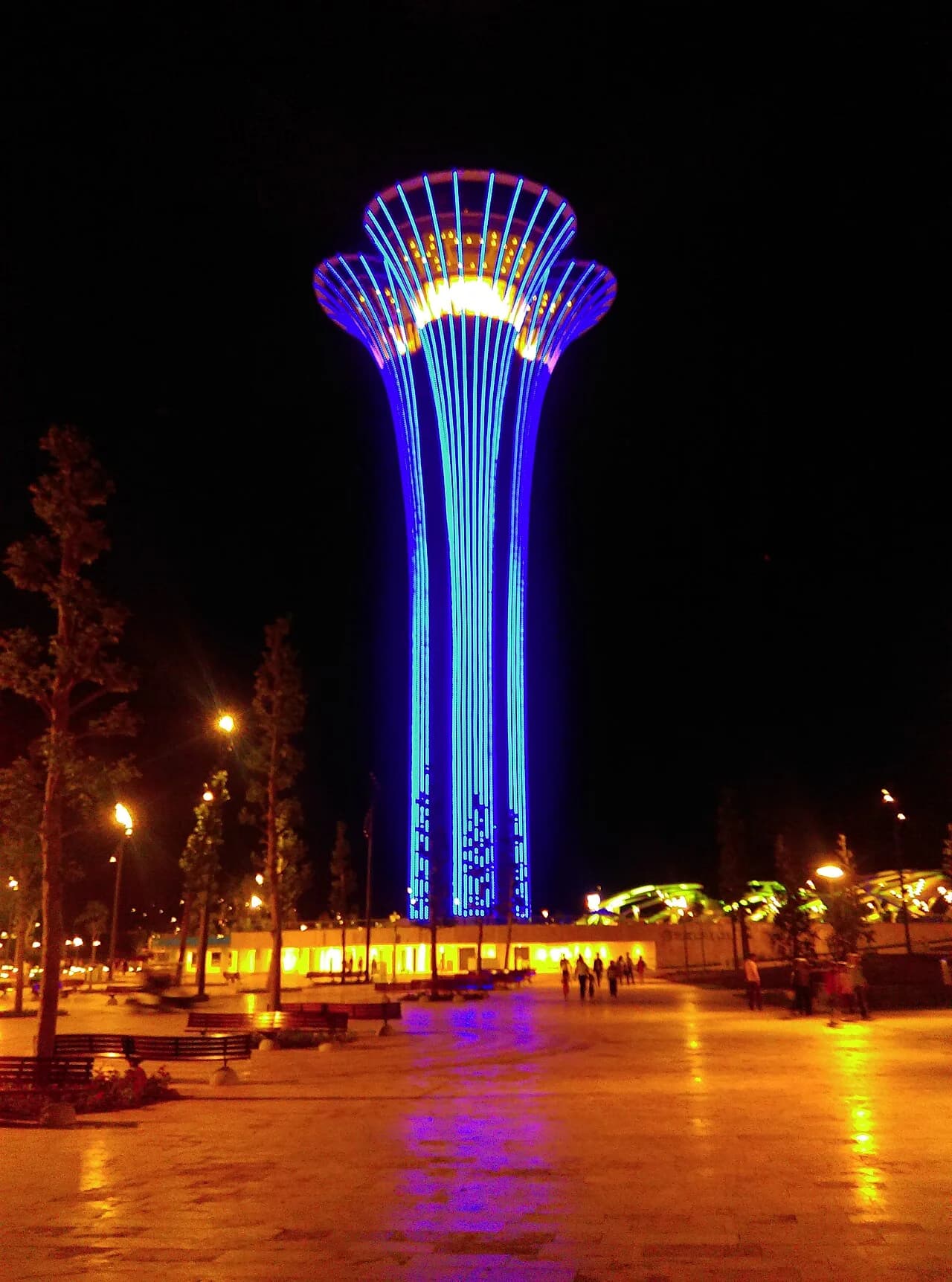
The COP31 climate summit in Antalya, Türkiye, has reached the end of its first week with draft texts on the table for most negotiating tracks, but the hardest questions, above all on climate finance, are still unresolved. Negotiators now head into a decisive second week, with the summit scheduled to close on 20 November 2026.
Drafts on most tracks, finance stuck
According to Carbon Brief's 13 November briefing, talks began relatively smoothly after a fight over the agenda was avoided, and by the close of the week drafts had emerged from most strands of the negotiations. The newly created climate finance work programme, however, remained stalled.
The divisions on finance are sharp. Carbon Brief reports that the European Union and other developed countries want a broad scope covering private finance, development banks and wealthier developing nations. The G77 and China group wants the work to focus only on Article 9.1 of the Paris Agreement, which concerns finance provided by developed countries. The Like-Minded Developing Countries are pushing for a new process to hold developed countries to account, possibly including an "action plan" to ratchet up finance with burden-sharing arrangements. These disputes are expected to spill over into the talks on the global goal on adaptation.
The backdrop is a fall in pledges. A Carbon Brief analysis found that public climate finance promised for the coming years by major donors such as Germany, France and Japan is around 70% below 2025 levels, which it linked to foreign aid cuts and the absence of the United States from the UN climate process. Barbados Prime Minister Mia Mottley cited the figure at the summit, saying that "pledges are not payments".
A cover decision due next week
The presidency is also seeking an overarching "cover decision", a political text that would sit alongside the technical outcomes. Carbon Brief says the move met unprecedented procedural pushback from Russia and others. An initial "reflections" text, which the outlet described as effectively a wish list of countries' priorities, refers to "responding" to a 1.5C overshoot and "welcoming" fossil-fuel and deforestation roadmaps. A draft cover decision is expected early next week.
Just transition: developing countries want a mechanism
On the just transition work programme, Down To Earth reported on 14 November that the co-chairs have prepared an informal note summarising discussions, to be followed by draft text for parties in the second week. India, the G77 and China and the African Group of Negotiators backed a three-year extension of the programme, with India supporting a review at CMA11.
Developing-country groups are pressing for a two-tier Just Transition Mechanism under the Paris Agreement's governing body, with a political oversight tier and a technical tier offering capacity-building, technology transfer and access to finance. The EU, Japan and the Environmental Integrity Group prefer to use existing financial arrangements to avoid duplication. India objected to the term "food systems", preferring "food production and food security", while the EU wants the original wording kept.
Electrification pledge and a record crowd
The Turkish-Australian presidency's headline initiative is a pledge for electricity to provide 35% of global final energy by 2035. Carbon Brief understands that more than 50 countries have signed up or voiced support, though many remain undecided.
More than 92,000 people registered for the summit, potentially making it the largest COP to date, Carbon Brief reported. The United States, Israel and Myanmar did not send delegations. Separately, China has decided not to bid to host COP33.
Why it matters
How the finance and adaptation disputes are settled will shape how much support vulnerable countries can expect in the years ahead. For India, the just transition talks matter because they touch on trade, technology and development priorities that New Delhi has repeatedly linked to its climate commitments.
What next
The release of the draft cover decision early next week will be the clearest sign yet of whether Antalya can produce a deal by 20 November.
PS · Ahzaryamed, CC BY-SA 4.0