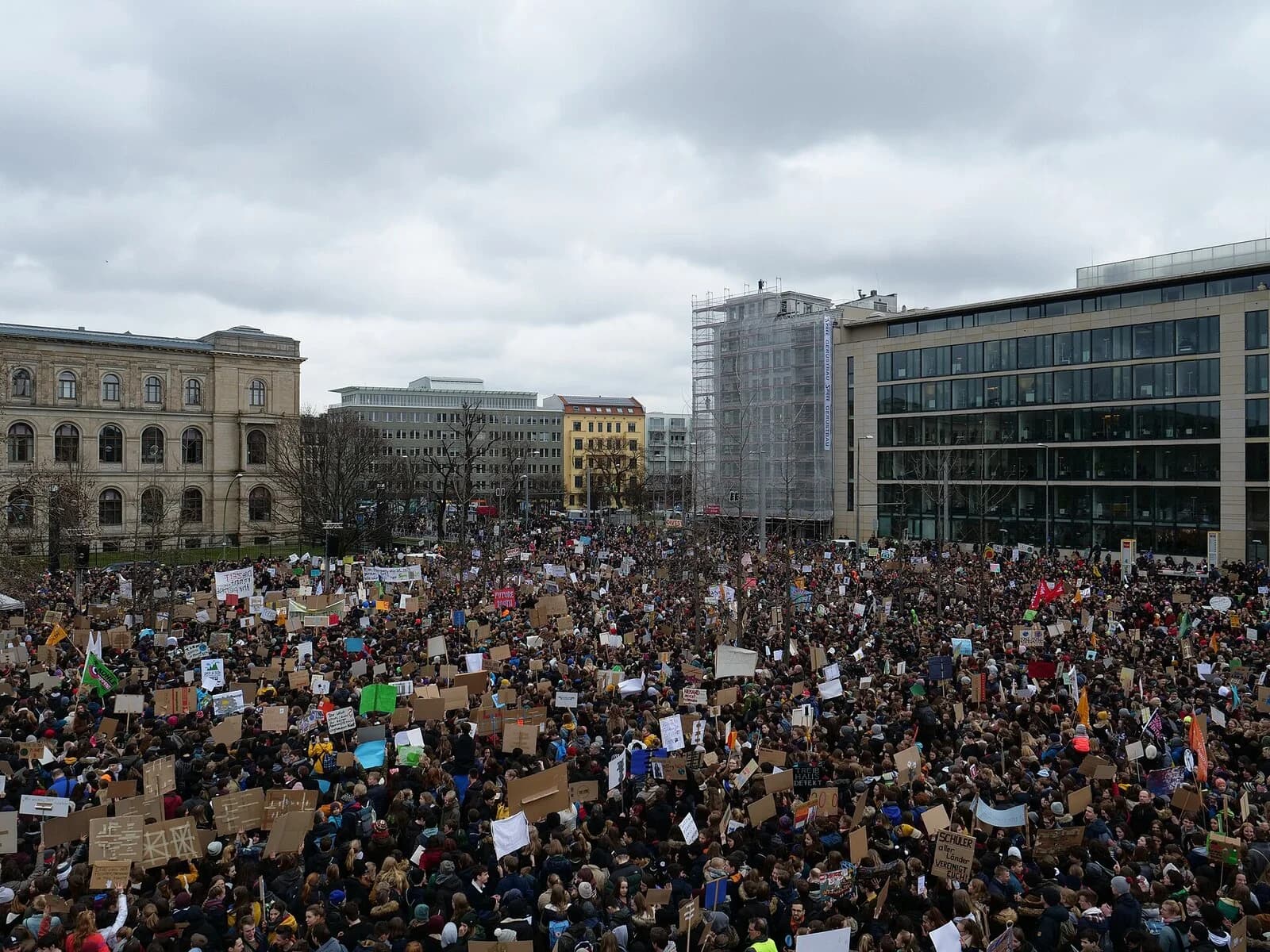
Thousands of campaigners marched through rain in the Turkish city of Antalya on Saturday, 14 November, demanding "climate justice now", as the COP31 UN climate summit reached its midpoint with negotiators reporting only limited progress on the hardest questions, according to Climate Home News.
The march came on the sixth day of the conference, which runs in Antalya from 9 to 20 November. A stocktaking plenary co-chaired by Türkiye and Australia was scheduled for Saturday night, where countries were expected to set out their first red lines before ministers take charge of the contested issues in the second week.
What marchers demanded
Turkish and international activists listed climate finance, a just transition, an end to fossil fuels, a polluter-pays approach, reparations for loss and damage, and protection of nature and Indigenous Peoples' rights among their demands. Some carried dummy turtles, birds, polar bears and oil barrels to draw attention to the effects of fossil fuels and of warming beyond 1.5°C.
"Our main demand is about finance," Tasneem Essop of Climate Action Network told reporters, adding that rich countries were "taking one step forward, three steps backward". Harjeet Singh of the Satat Sampada Climate Foundation described a new climate finance work programme as "useless" and said he feared COP31 would turn into "a COP of distraction". Marina Agortimevor of the Africa Just Transition Network said: "We are tired of the talking."
Where the talks stand
UN climate chief Simon Stiell called progress "constructive" and urged governments to move quickly on the most difficult issues. Still, several key texts remain far from agreement:
- Adaptation: A draft on the global goal on adaptation, released overnight, has become the main battleground. African countries want adaptation finance tripled to at least $120 billion a year by 2035, while another option in the text would open a review of the baseline, size and scope of the finance target set at COP30.
- Just transition: An informal note on a Just Transition Mechanism proposes a two-tier structure built mainly around a knowledge hub, reports and an annual meeting. Campaigners criticised it for lacking explicit finance mobilisation; Australia's Chris Bowen, who leads the negotiations, called the draft "comprehensive".
- Mitigation: An informal note on the Mitigation Work Programme is heavily bracketed, with the core dispute being whether it should feed into the 2028 Global Stocktake. The EU wants the programme extended.
- Cover decision: Some large developing countries have resisted an overarching cover decision and any sectoral targets all week. The current text is described as a wishlist of every proposal, with a first draft expected early next week.
Electrification and fossil fuels
A voluntary pledge proposed by Türkiye would raise electricity's share of final energy use to 35% by 2035 from about 23% now. Bowen said the pledge sits outside the formal negotiations but that he wants its ambition reflected in the cover decision. The EU's chief negotiator Wopke Hoekstra signalled flexibility on the bloc's call for "clean" electrification, a shift some campaigners criticised.
The draft cover text also contains a proposal to welcome a voluntary global roadmap away from fossil fuels launched by Brazil's COP30 presidency, while Brazilian President Luiz Inácio Lula da Silva said Brazil should host a future conference on transitioning away from fossil fuels.
Why it matters and what next
Adaptation finance is a central concern for climate-vulnerable developing countries, including in South Asia, and the outcome in Antalya will shape how much support flows to them in the coming decade. Bowen and Türkiye's Murat Kurum share the presidency, with Bowen running the negotiations and Kurum the Action Agenda. Talks on adaptation finance, the just transition text and the mitigation programme continue next week, ahead of the scheduled close on 20 November.