With El Niño raising the risk of a severe drought across Central America, United Nations agencies say farming communities in the region's Dry Corridor are being helped to prepare before the rains fail rather than after harvests are lost. A UN News report published on 14 November 2026 describes how reservoirs, irrigation, community grain banks and early cash support are being used in Honduras and Guatemala to soften the blow.
A region that lives by the rain
The Dry Corridor stretches across parts of Guatemala, Honduras, El Salvador and Nicaragua, where most farming families rely on rainfall to grow their crops. According to the report, more than seven million people in the region do not have guaranteed access to food.
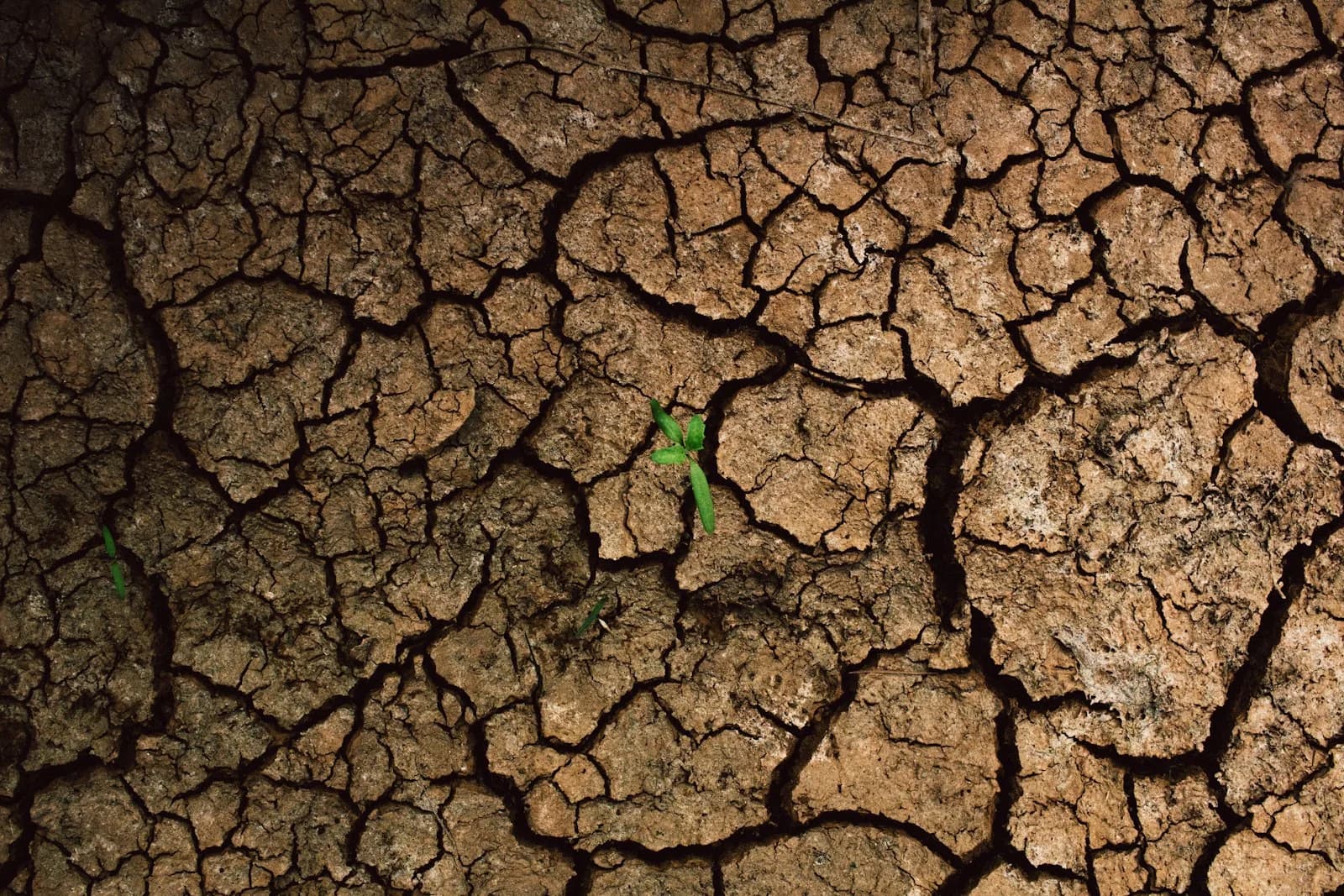
This year the threat is sharper. El Niño, a climate pattern tied to unusually warm waters in the Pacific, is increasing the chance of drought, and the World Meteorological Organization has said the current event could reach unprecedented strength.
A reservoir in Palagua, Honduras
In the Honduran village of Palagua, 73-year-old farmer Anastacio Martínez Gómez once grew mostly maize and beans and faced dry seasons that could last five or six months. When harvests failed, people left to look for work elsewhere, the report says.
Martínez offered five manzanas of his land, roughly 3.5 hectares, for a community reservoir, a condition of the project. With support from the World Food Programme (WFP), the reservoir and irrigation systems now allow farmers to store water and use it through the dry months. Training at Zamorano, the Pan-American Agricultural School in Honduras, introduced methods such as tilapia farming and plantain cultivation, while the Food and Agriculture Organization (FAO) supplied tools.
His farm today grows plantains, cassava, sweet potatoes, malanga and around 80 mango trees, and has three fish ponds. He now harvests in both seasons, and neighbours buy produce straight from him.
A grain bank in Camotán, Guatemala
In Camotán, in Guatemala's Chiquimula Department, former teacher Marta Ávalos now works for the municipality and helps coordinate the community's drought response. WFP has worked in the area to help families cope with drought and the risk of child malnutrition.
A key piece is a community grain bank, financed by the UN's Central Emergency Response Fund, that stores maize and beans in local silos. Residents themselves handle buying, selling and restocking. Before, families made a round trip of about an hour to reach a market and spent around 70 quetzales, roughly $9, the report says. Most of the hamlet's 200 families now buy from the bank instead. FAO contributed hens and tools, Guatemala's agriculture ministry provided vegetable seeds and the municipality supplied fertiliser.
Acting before the crisis
The UN describes this approach as "anticipatory action": taking steps ahead of a predictable shock so that it does less damage. WFP said it began issuing El Niño early warnings in April, before the main planting season, and gave cash assistance to the families most at risk. Those measures have reached more than 409,000 people across the Dry Corridor.
As conditions have worsened, more than 470,000 people across Central America are now receiving food and cash assistance from WFP, the agency said. Lena Savelli, WFP's Regional Director for Latin America and the Caribbean, argued that getting ready for a disaster costs far less than rebuilding once it has struck.
Why it matters
The examples come as UN agencies press governments and donors to fund preparedness rather than only emergency relief, a theme that has run through the COP31 climate talks in Antalya this month. For households in the Dry Corridor, the difference between a stored harvest and an empty silo can decide whether families stay on their land.
What next
With El Niño expected to keep drought risk high, the coming dry season will test whether reservoirs, grain banks and early cash transfers can hold up at scale across the four countries of the corridor.