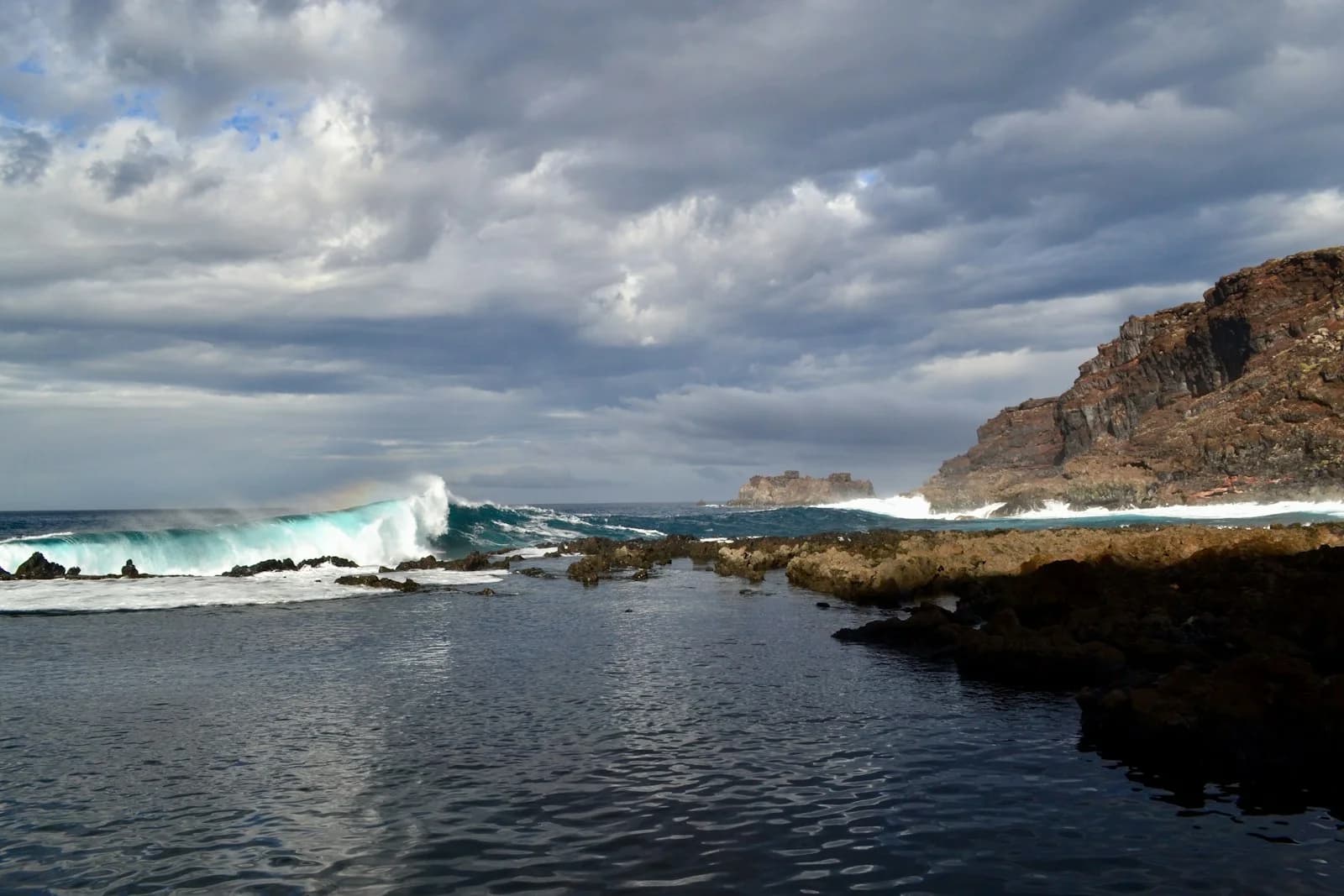
Spain's maritime rescue service picked up 1,488 people from 14 boats around the Canary Islands on Saturday, 14 November, the largest single-day arrival since 2020, according to the news agency EFE as relayed by international outlets.
What the figures show
Twelve of the boats reached El Hierro, the smallest of the main islands. One went to Gran Canaria and another to Tenerife. One vessel alone carried 240 people, among them 12 women and 36 children, the reports said. Most of those rescued came from Senegal, Gambia and Guinea-Conakry.
The one-day total edges past the previous high cited in the same reports: 1,461 people rescued on 7 November 2020. One report put arrivals over the latest three days at 3,161.
A sharp rise after a quieter year
The jump comes against a calmer backdrop for the year as a whole. Arrivals between January and 31 October were 5.5 per cent lower than in the same period of 2025, the reports noted. The surge began in October and has since put pressure on reception and emergency services, particularly on the smaller, less populated islands such as El Hierro.
The Atlantic route from West Africa to the Canaries is described in the coverage as one of the world's deadliest migration crossings. Journeys are made in crowded boats over open ocean, which is why rescue operations are central to every arrival.
Government response
Spain's Territorial Policy Minister, Ángel Víctor Torres, was due to visit El Hierro on Sunday to discuss the situation, the reports said. Some outlets also stated that Spain declared a migration emergency on the islands earlier in the week; that detail was not present in every report reviewed, so it should be treated as not fully confirmed here.
What to watch
The next indicators are the daily rescue counts from the maritime service and whether the outcome of the minister's visit brings extra reception capacity for El Hierro. Whether the October-November spike is a short burst or a lasting shift will only be clear once more weeks of figures are available. The reports did not say how many of those rescued needed hospital care or how many people are reported missing, and no official statement on those points was available to this newsroom.
For readers following global migration, the episode shows how a year that looked quieter overall can still produce sudden peaks at a single entry point, putting a strain on small islands that were not built to receive crowds of this size within hours.