British Prime Minister Andy Burnham has said of leaving the European Union that "we have lost more than we have gained in the last 10 years", using his first major foreign policy address to argue for a reset with the bloc days before a UK-EU summit in Brussels.
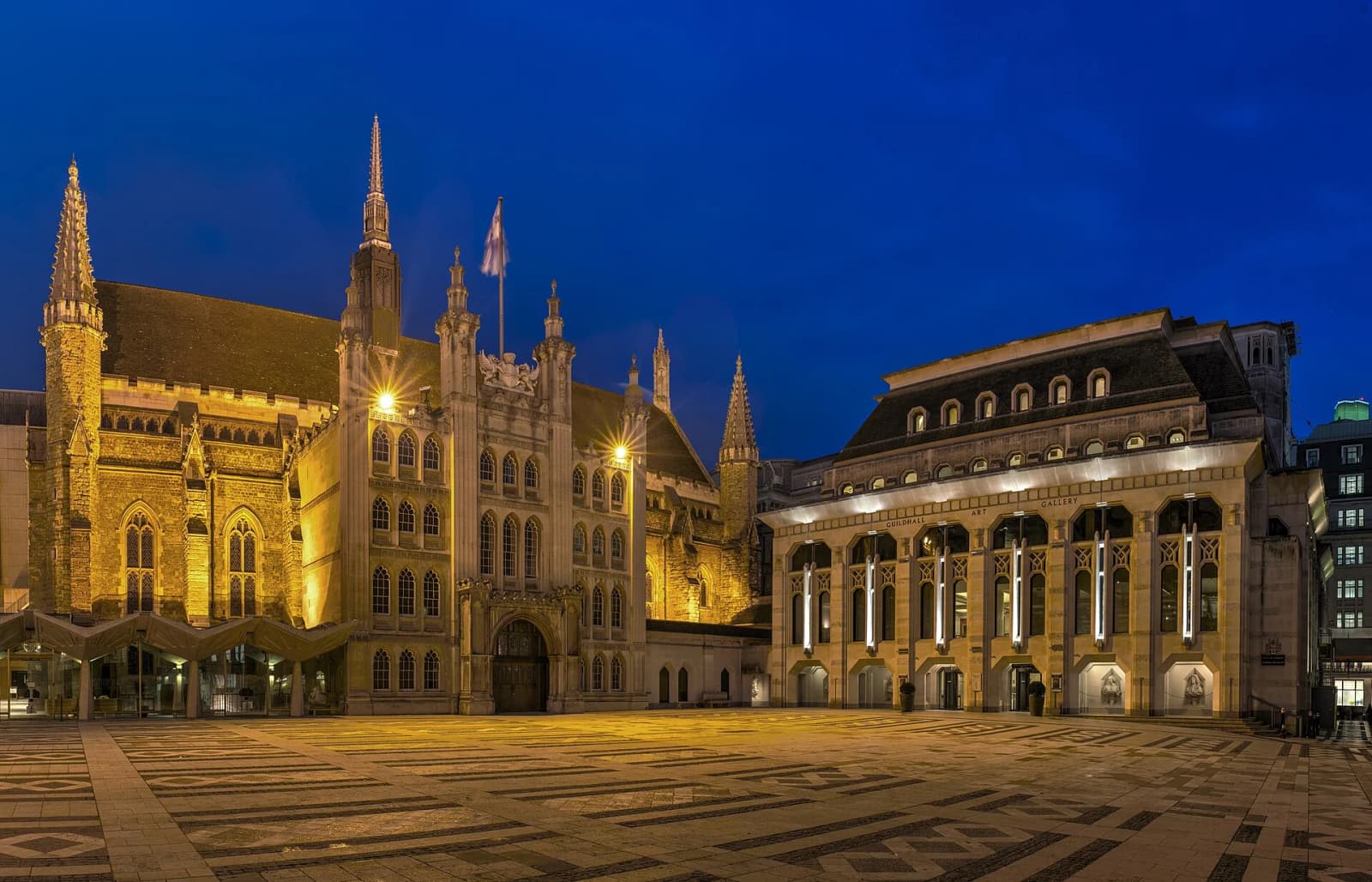
Speaking at the Lord Mayor's Banquet at the Guildhall in London on Monday, 16 November, Burnham said: "The hard Brexit we were given is not good enough for Britain." According to agency reports carried by Al Jazeera, he compared the Brexit debate to the Hans Christian Andersen tale "The Emperor's New Clothes", in which nobody is willing to tell the ruler the obvious truth.
What Burnham said about the cost of Brexit
The text of the speech published by the Prime Minister's Office shows Burnham citing the Office for Budget Responsibility's estimate that Brexit has cut the size of the economy by 4%, and noting that other estimates put the damage as high as 8% of GDP. He said the promise to "take back control" had not been delivered, the agencies reported, and described Brexit as "the first domino to fall" in a worldwide turn towards isolationism and protectionism. That outcome, he said, was "exactly what our enemies wanted".
Burnham also argued that deindustrialised areas such as his own constituency of Makerfield voted to leave partly to send a message to Westminster, and that the vote should have led to political reform at home. Instead, he said, the process ended in a harder break than voters had expected.
Three tests for a new deal
The prime minister set out three conditions for any agreement with Brussels:
- it must be consistent with Labour's election manifesto and its red lines;
- it must improve the Brexit settlement so that it is closer to what people expected when they voted in 2016;
- it must pass what he called the "Makerfield Test", meaning real improvements in everyday life in less well-off communities.
According to the published speech, Burnham said a deal could add up to 0.4% to GDP and that Britain could not afford to turn it down. He credited his predecessor Keir Starmer with laying the groundwork, and said the benefits would include lower living costs, less red tape, progress on electricity bills and cooperation on illegal migration and small-boat crossings.
What is expected at Friday's summit
The UK-EU summit is scheduled for Friday, 20 November, in Brussels. Agency reports said it is expected to produce a deal on trade in food and drink, agreements on energy and emissions, and a scheme allowing young people to work for limited periods in the UK and the EU. Burnham said legislation would go to Parliament next week.
No return to the single market for now
Burnham said his government would not cross its red lines before a general election. As the agencies noted, he remains bound by Starmer's pledge not to rejoin the EU customs union or single market. He said a discussion on Britain's long-term options with the EU would follow the summit, to inform the next Parliament.
His spokesperson, Tom Wells, said on Monday that "no assumptions are being made" and that "the British public will be the boss of any outcome", according to the reports.
Britain voted to leave the EU by 52% to 48% in 2016 and formally left in 2020. Burnham is the country's seventh prime minister since the referendum.
Wider foreign policy signals
The speech ranged well beyond Europe. Burnham said Britain would raise defence spending, strengthen NATO and keep supporting Ukraine "for as long as it takes". On Iran, he said he opposed Tehran acquiring a nuclear weapon but that the war must end to bring energy prices down, and backed mediators working to reopen the Strait of Hormuz.
He called the United States Britain's largest single trading partner and key defence ally, and said past governments "blew hot and cold" on China, where he wants a steadier long-term relationship. On the Commonwealth, he offered a structured dialogue on the legacy of slavery in 2027 but ruled out paying reparations, and proposed a Commonwealth taskforce on critical minerals.
Britain takes over the G20 presidency next year and the G7 presidency in 2028. Burnham said he would propose a "Manchester Compact on AI" at next November's leaders' summit. "Britain is back in the game in a big way," he said.
PS · Diliff, CC BY-SA 3.0