Leaders of the 21 Asia-Pacific Economic Cooperation (APEC) economies on Thursday, 19 November 2026, adopted the 2026 APEC Leaders' Shenzhen Outlook at the close of their 33rd Economic Leaders' Meeting in Shenzhen, in China's Guangdong province. The eight-page statement commits members to resilient supply chains, open trade corridors for energy and other essential goods, and closer cooperation on digital trade and artificial intelligence. It does not mention the World Trade Organization.
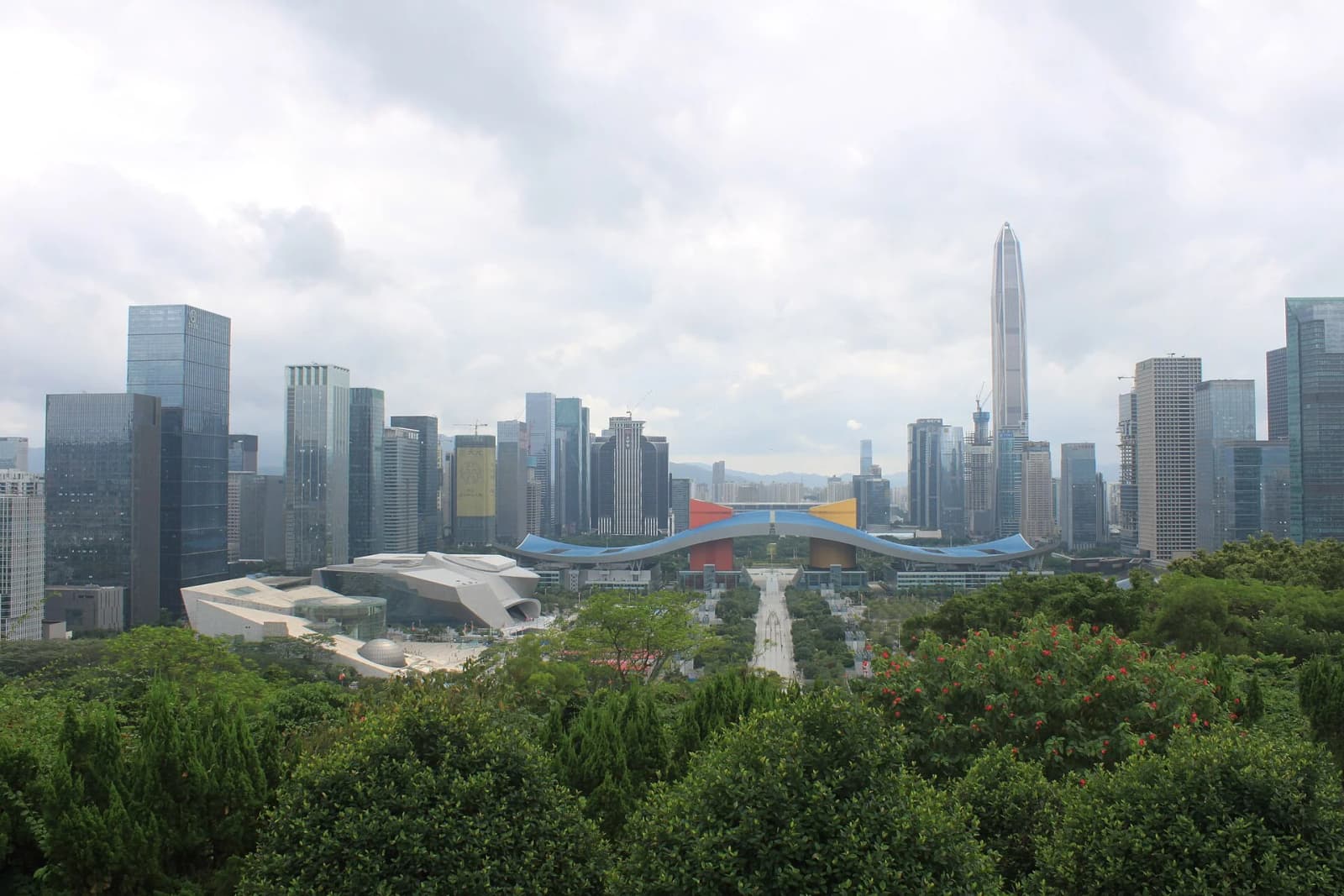
Chinese President Xi Jinping chaired the meeting at the Shenzhen International Communication Center, according to China's Ministry of Foreign Affairs. The ministry said leaders adopted the declaration setting out the Shenzhen Outlook by consensus, along with three outcome documents on trade, connectivity and innovation.
What did APEC leaders agree in Shenzhen?
They agreed on a broad, non-binding statement of shared economic priorities rather than any new trade rules. In the text of the Outlook, published by Chinese state media, the leaders:
- endorsed the APEC Connectivity Blueprint, covering physical, institutional and people-to-people links;
- welcomed the APEC Trade Digitalization Cooperation Framework (2027-2030), aimed at paperless trade and cross-border e-commerce;
- endorsed a statement on harnessing digital and emerging technologies for employment and prosperity, and commended the APEC AI Initiative (2026-2030);
- reaffirmed work on the Free Trade Area of the Asia-Pacific (FTAAP) agenda "in a manner that is market-driven".
On supply chains, the leaders said it was in their mutual interest that "trade corridors remain open to facilitate trade flows, including energy supplies and other essential goods", and backed efforts to "address chokepoints". The energy section says each economy "will choose an energy system mix consistent with its domestic priorities", and names conventional as well as zero- and low-emission sources as a foundation for energy security.
The text also notes that "global imbalances have persisted", calls global rebalancing a common interest, flags data breaches and online scams as digital risks, and pledges to deny safe haven to people who benefit from corruption.
What did Xi Jinping announce?
Mr Xi announced US$20 million to support APEC's practical cooperation and a Center for Asia-Pacific Community Studies in Shenzhen, China's foreign ministry said. He also proposed new cooperation mechanisms on digital technology, cross-border data flows, clean energy and small businesses.
According to the ministry's readout, he urged a regional cooperation pattern that is "open and integrated" rather than "exclusive or fragmented", and described development as "the largest common denominator of all parties". International Monetary Fund Managing Director Kristalina Georgieva briefed leaders on the global economy.
Chinese Foreign Minister Wang Yi, at a late-night briefing that Hong Kong's The Standard said was postponed twice, described the Outlook as the most important achievement in the bloc's history.
What is missing, and what was unusual?
Japan's Nikkei Asia noted that APEC leaders' joint statements are usually titled declarations, and that this one is called an "Outlook". The newspaper reported that the text does not mention the World Trade Organization or support for the multilateral trading system, and does not refer to rare earths, a point of friction between Washington and Beijing.
Nikkei Asia also reported that the statement was taken down from the official APEC website at about 7:58 pm Shenzhen time and was still missing at 10:47 pm, after Xinhua had published the Chinese and English versions. The APEC secretariat did not respond to the newspaper's request for comment. No explanation for the removal had been given at the time of writing.
Why it matters
On the same day, on the sidelines of the summit, US President Donald Trump, Mr Xi and Russian President Vladimir Putin held their three-way meeting, which MapMyTimes covered in its report from Shenzhen and an explainer. The Outlook is the formal record of what all 21 economies could agree on. Its language on keeping energy corridors open and addressing chokepoints comes in the same week that the International Energy Agency called the Iran war's energy shock the largest ever, as MapMyTimes reported from the World Energy Outlook 2026 and projected that India would lead growth in energy demand.
What happens next?
Viet Nam hosts APEC in 2027. President To Lam received the hosting responsibilities in Shenzhen and invited leaders to the next meeting, China's foreign ministry said. The Outlook lists later hosts as Mexico (2028), Singapore (2030), Japan (2031), Chile (2032), Papua New Guinea (2033) and Peru (2034).
Photo source · Huangdan2060, CC BY 3.0