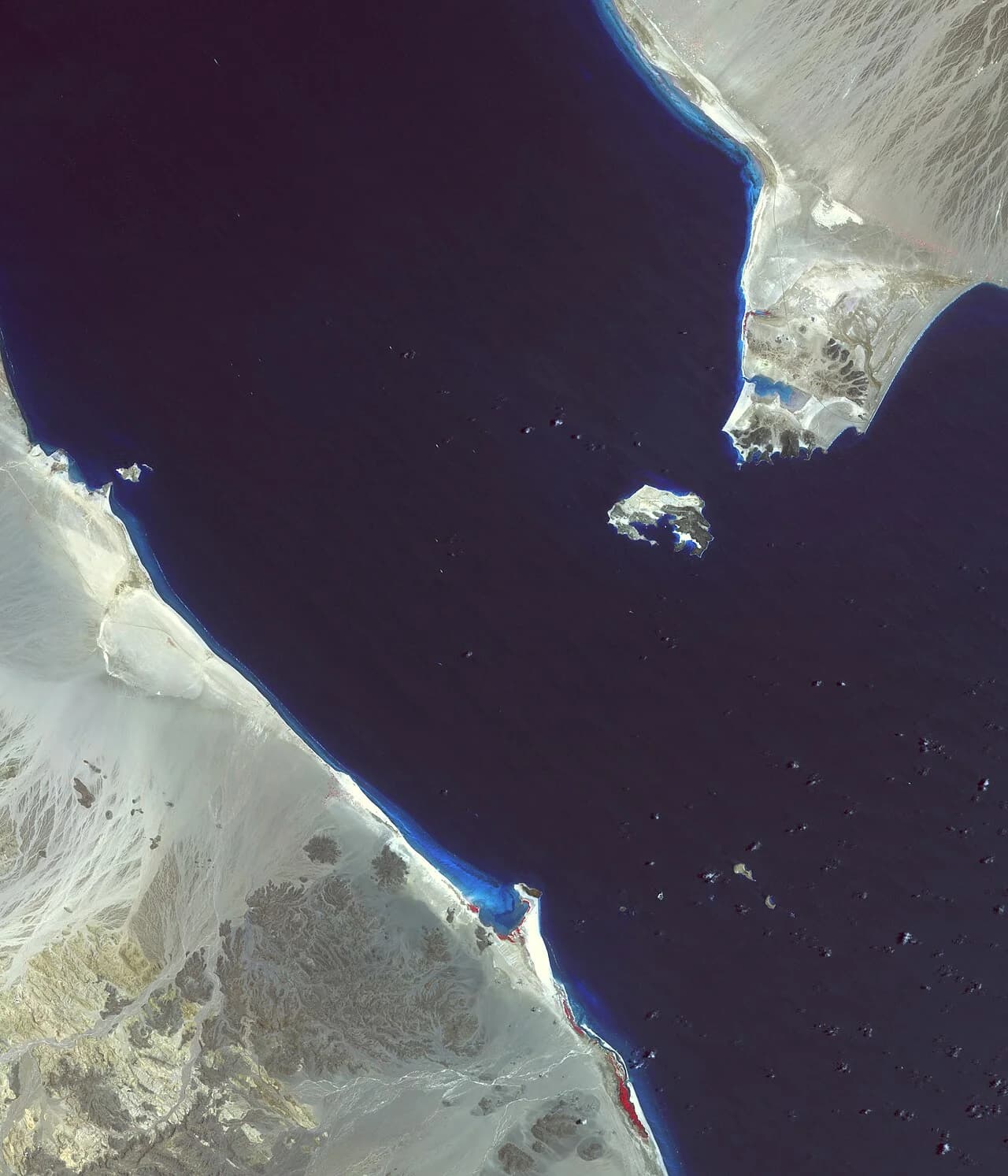
Yemeni troops loyal to the internationally recognised, Saudi-backed government said on Sunday, 15 November, that they were pulling back from positions overlooking the Bab el-Mandeb Strait and falling back towards Aden. Reuters described the move as a major setback in the war against the Iran-aligned Houthis, saying it leaves the rebels in control of the area around one of the world's busiest shipping chokepoints.
What the government forces announced
The announcement came from the Southern Armed Forces, the main force fighting on the government's side in the south. In a statement, they said they had carried out a "redeployment operation" of their forces from Dhubab Airport and the Bab el-Mandeb area, and that the step was driven by the priority of securing Aden and the neighbouring governorates.
According to Reuters, government units have shifted to al-Suqyah, just south of Dhubab and about 150 km west of Aden, where they are still trying to dislodge Houthi fighters from nearby coastal pockets. The move effectively ends a roughly six-week counter-offensive that the government launched in early October to win back the Red Sea coast, which the Houthis had seized in a rapid push in September.
"Not a withdrawal," says presidency
Yemen's presidency rejected the idea that its forces were retreating. A presidency source told the Saudi-owned daily Asharq Al-Awsat that the redeployment was a "calculated military move" meant to protect Aden, shore up the fronts in Lahj province and set the stage for lifting the siege of Taiz. Presidential media adviser Jaber Mohammed told the paper that troops had been moved from an exposed coastal strip to mountain heights overlooking the strait, and called it a redistribution rather than a pullout.
The Southern Armed Forces also said the move did not mean they were abandoning the fight against the Houthis, and pledged to keep operating with support from the Saudi-led coalition. Their spokesman appealed to the international community to help free the strait, citing its importance for maritime security and trade.
Pressure from Taiz
Military sources quoted by Reuters linked the pullback to Houthi gains around Taiz, Yemen's third-largest city, which the rebels cut off in early October. Taiz has become the fiercest front of the renewed civil war. Reuters reported that aid cannot get in and civilians cannot get out, and that the city shelters about half of the roughly 300,000 people displaced across Yemen by the latest round of fighting.
Houthi forces are also positioned in the highlands just outside the Tur al-Bahah district of Lahj, around 80 km from Aden, Reuters said, and analysts warned that the retreat raises the risk of fresh Houthi advances towards the government's base. Neither the Houthis nor Saudi Arabia responded immediately to the announcement.
Why Bab el-Mandeb matters
The narrow strait between Yemen and the Horn of Africa links the Red Sea to the Gulf of Aden and carries a large share of trade between Asia and Europe via Egypt's Suez Canal. Reuters noted that greater Houthi leverage over the waterway comes while Iran continues to disrupt traffic through the Strait of Hormuz on the other side of the Arabian Peninsula, describing the combination as a "dual squeeze" on Gulf oil producers' main export routes.
A wider war
Yemen's civil war, largely frozen since a UN-brokered truce in 2022, flared again this year as a spillover of the US-Israeli war on Iran that began in February. The Houthis have since stepped up missile and drone attacks on Saudi Arabia, hitting ports, airports and Saudi Aramco facilities including the Red Sea export hub of Yanbu, according to Reuters, and Saudi Arabia has struck Houthi targets in Yemen in response. The government has been based in Aden since the Houthis took the capital, Sanaa, and pushed it south.
What next
Officials told Asharq Al-Awsat that the government operation launched on 5 October will go on until the Houthi threat is removed. The immediate tests will be whether government forces can hold the line in Lahj and around Aden, and whether the Houthis use their stronger position near the strait to step up pressure on shipping.