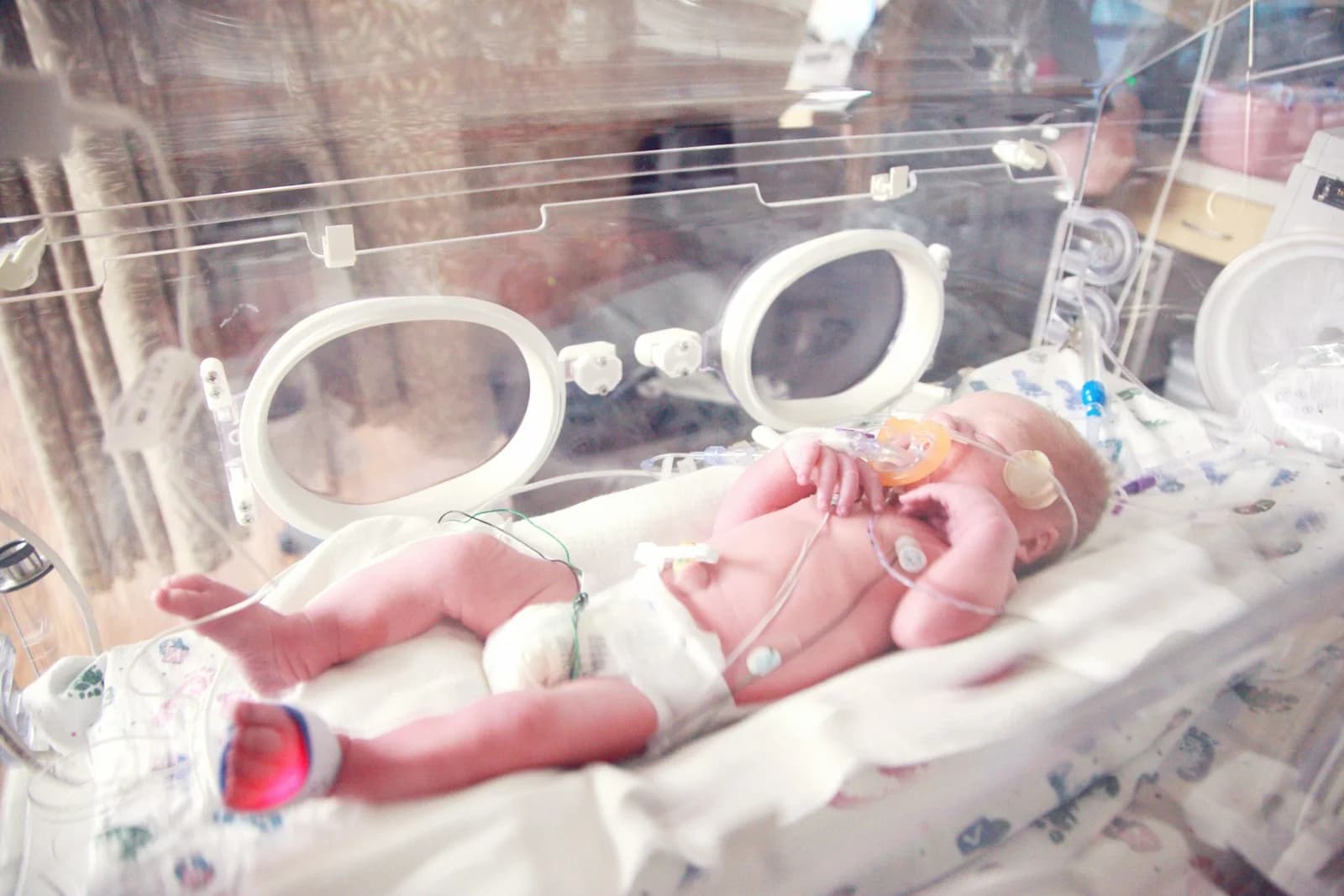
World Prematurity Day is being marked on Sunday, 15 November, and the Pan American Health Organization (PAHO) is using it to draw attention to a stage of care that often gets less notice than the neonatal intensive care unit: what happens after a baby born too soon goes home. PAHO, the World Health Organization's regional office for the Americas, says the 2026 campaign centres on comprehensive, high-quality follow-up care for preterm babies once they leave the NICU.
A new date on WHO's calendar
The day was traditionally observed on 17 November. WHO says it will now mark it on 15 November so that it does not overlap with other mandated World Days. The World Health Assembly added World Prematurity Day to WHO's official calendar in 2025. The observance began in 2008, when the European Foundation for the Care of Newborn Infants and several parent organisations launched it, and WHO says it has since grown into a worldwide movement of events, campaigns and advocacy.
The scale of preterm birth
PAHO puts the number of babies born preterm at around 15 million a year, or about one in every ten births worldwide. WHO's fact sheet on preterm birth, published in 2023, gives an estimate of 13.4 million babies born before 37 completed weeks of pregnancy in 2020.
According to WHO, complications of preterm birth were the leading cause of death among children under five, accounting for about 900,000 deaths in 2019. The agency says three-quarters of those deaths could be prevented with current, cost-effective interventions.
The fact sheet also points to a stark survival gap. In low-income settings, about half of babies born at or below 32 weeks die, largely because basic care such as warmth, breastfeeding support and treatment of infections and breathing problems is missing. In high-income countries, almost all of these babies survive.
What PAHO wants families to know
PAHO's campaign is built around four messages:
- Discharge starts a new stage: families should leave hospital able to care for the baby at home, spot warning signs, know where to get help and have a follow-up appointment booked.
- Care continues at home: kangaroo care, breastfeeding, safe sleep, vaccination and a smoke-free home help protect preterm babies.
- Families are not alone: parents and caregivers need information, emotional support and access to health services.
- Follow-up supports growth: regular check-ups, screenings and vaccinations help identify a child's needs early.
New tools for health teams
Alongside the campaign, PAHO has published a guide for health workers on conducting the discharge interview with families of preterm newborns, dated 13 November. It lists topics to cover before a baby goes home, including feeding and continued breastfeeding, skin-to-skin contact, temperature control and hygiene, safe sleeping positions, immunisation, protection from tobacco smoke and other pollutants, medicines and the follow-up plan.
The guide recommends a first check-up three to five days after discharge. It also separates warning signs into two levels: severe breathing difficulty, bluish colour, seizures or unresponsiveness need immediate emergency care, while signs such as fast breathing, fever or low temperature, refusal to feed, persistent vomiting or unusual drowsiness call for an urgent visit rather than waiting for the next scheduled appointment. A take-home leaflet for families, titled "We're going home!", accompanies it.
What comes next
PAHO is asking health systems, partners and the public to push for follow-up care that is accessible and centred on families, so that every preterm baby is followed up after discharge and every family gets support.