Two in every three adults at higher risk of type 2 diabetes wrongly believe that prediabetes announces itself with noticeable symptoms, according to new research released by the International Diabetes Federation (IDF) ahead of World Diabetes Day, which is being observed on Saturday, 14 November 2026. India was one of six countries included in the survey.
The finding sits at the centre of this year's campaign, which runs under the theme "Early action on diabetes". Both the IDF and the World Health Organization (WHO) are using the day to push for earlier diagnosis, quicker access to care and an end to the stigma that surrounds the condition.
What the IDF survey found
The federation said it surveyed adults at increased risk of type 2 diabetes in Brazil, India, Kenya, Saudi Arabia, Spain and the United States. Its headline results were:
- 67% believe people with prediabetes experience noticeable symptoms.
- Only 15% think they are likely to develop type 2 diabetes, even though each of them has at least two risk factors for the disease.
- 43% said they would not feel confident arranging a diabetes risk check.
- 84% said such a check is worthwhile even when a person feels healthy.
The IDF said the results show that many people at risk underestimate that risk and are unsure how to get tested. Its release did not publish a separate breakdown for India, nor did it state the sample size or the dates of fieldwork.
Why late diagnosis matters
Citing its Diabetes Atlas, the IDF said 589 million adults worldwide are living with diabetes and more than four in ten of them do not know it, a group it put at 252 million people, most of whom have type 2 diabetes. A further 635 million adults are at high risk of developing type 2 diabetes.
The federation warned that up to half of people with type 2 diabetes already have complications by the time they are diagnosed. It said governments spend around $1 trillion a year on diabetes, or 12% of all health spending, and named late diagnosis as a key contributor to that bill.
The WHO, in its own campaign material, noted that type 2 diabetes usually develops gradually and may cause few or no symptoms, while type 1 diabetes often develops rapidly and can appear at any age. It said type 1 is frequently missed or misdiagnosed in adults.
Signs people are being asked to watch for
The WHO listed increased thirst, frequent urination, tiredness and blurred vision as common symptoms, and also pointed to unexplained weight loss. The IDF urged people who notice type 1 warning signs, such as excessive thirst, frequent urination, unexplained weight loss and fatigue, to seek urgent medical advice. It has also promoted an online type 2 risk assessment as part of the campaign.
The 2030 targets
The WHO reminded governments of five coverage targets that member states endorsed in 2022 for achievement by 2030: 80% of people with diabetes diagnosed; 80% of those diagnosed with good blood glucose control; 80% with good blood pressure control; 60% of people with diabetes aged 40 or older receiving statins; and access to affordable insulin and blood glucose self-monitoring for everyone with type 1 diabetes.
It called on policymakers to build prevention, early detection and person-centred care into primary health care, and to widen access to affordable insulin and essential medicines with working supply chains.
What it means for India
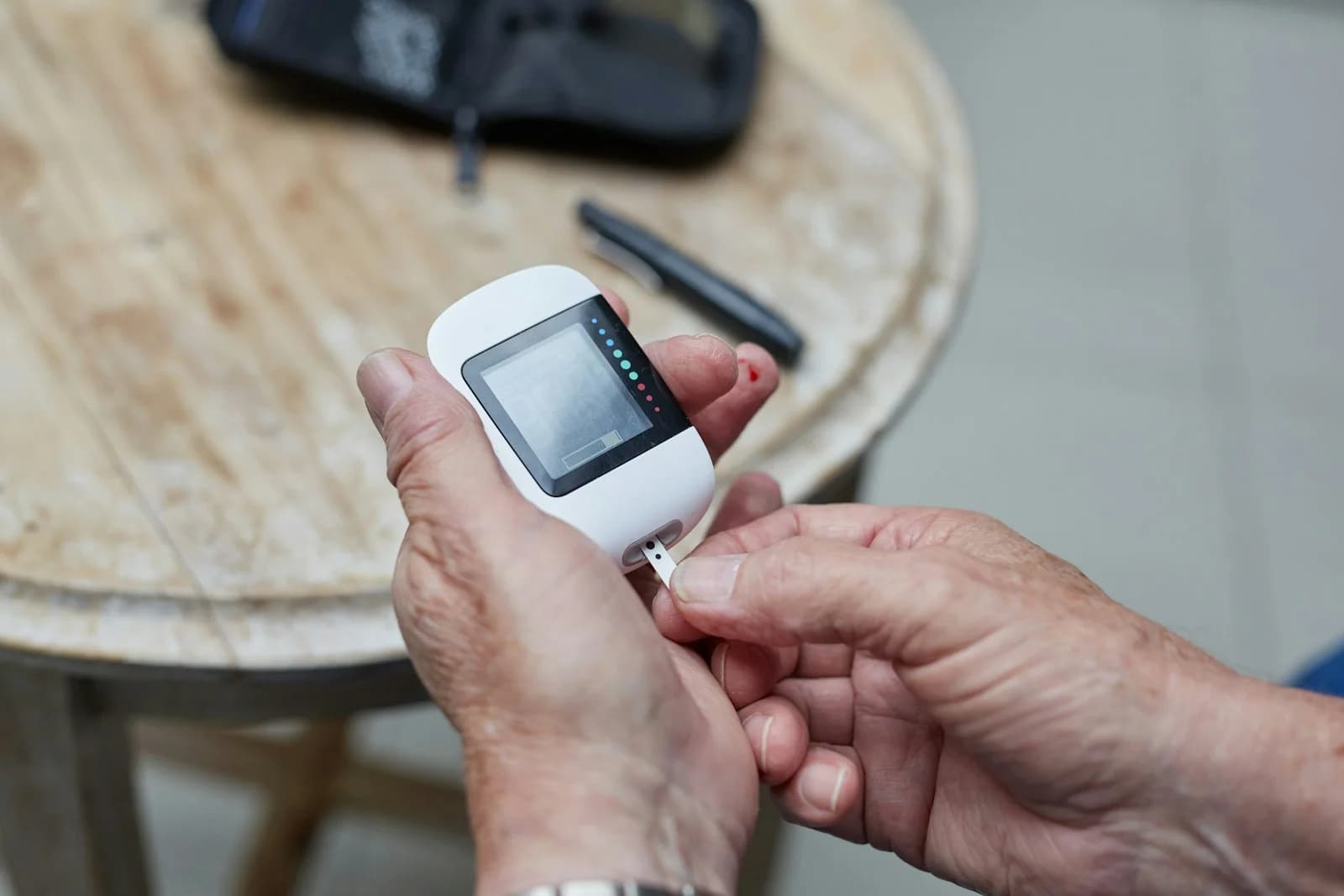
In India, the day was marked with awareness drives, free blood glucose screening camps and community health events, according to regional media reports. Non-communicable disease services, including diabetes screening, are delivered through health centres under the National Health Mission. With India among the countries in the IDF survey, its message is direct: feeling well is not proof of being free of diabetes, and a simple risk check can catch the condition before complications set in.