Qatar has recorded its first cases of Middle East respiratory syndrome (MERS) since 2022, the World Health Organization said on 13 November 2026. Two men who worked closely with dromedary camels were infected in July and August, but health authorities traced 99 contacts and found no onward spread.
WHO published the details in a Disease Outbreak News report after Qatar's National International Health Regulations (IHR) Focal Point formally notified the agency on 29 October. The two infections were laboratory-confirmed on 5 August and 25 August.
Who the patients were
Both patients were men over the age of 50 with chronic medical conditions, and both had long-term occupational contact with camels, according to WHO.
The first man fell ill on 22 July and was admitted to hospital three days later. A swab from his upper airway initially tested negative, but a sample taken deeper from his lungs came back positive, and the infection was confirmed on 5 August. He had not travelled recently and did not report drinking raw camel milk. He recovered and was discharged after two consecutive negative PCR tests.
The second man, who bred and reared camels, developed symptoms on 23 August. Two nasal swabs tested positive two days later. In the fortnight before he fell ill, he had been looking after young camels that had recently been sick and had drunk raw camel milk, WHO said. His illness was more serious: he developed MERS pneumonia with acute respiratory failure and needed high-flow oxygen and non-invasive breathing support. He too recovered and was discharged in a stable condition.
No spread to contacts
Qatari authorities identified 73 contacts of the first patient, including 62 health and care workers, and 26 contacts of the second, 22 of them health workers. All 99 were tested and monitored for 14 days after their last exposure, and all tested negative. One high-risk health worker linked to the second case developed respiratory symptoms but tested negative on two samples.
The two men were exposed at separate farms in different locations, and investigators found no link between them. WHO said the exact source of infection has not been determined, but described both as probable spillovers from camels rather than person-to-person transmission.
Why it matters
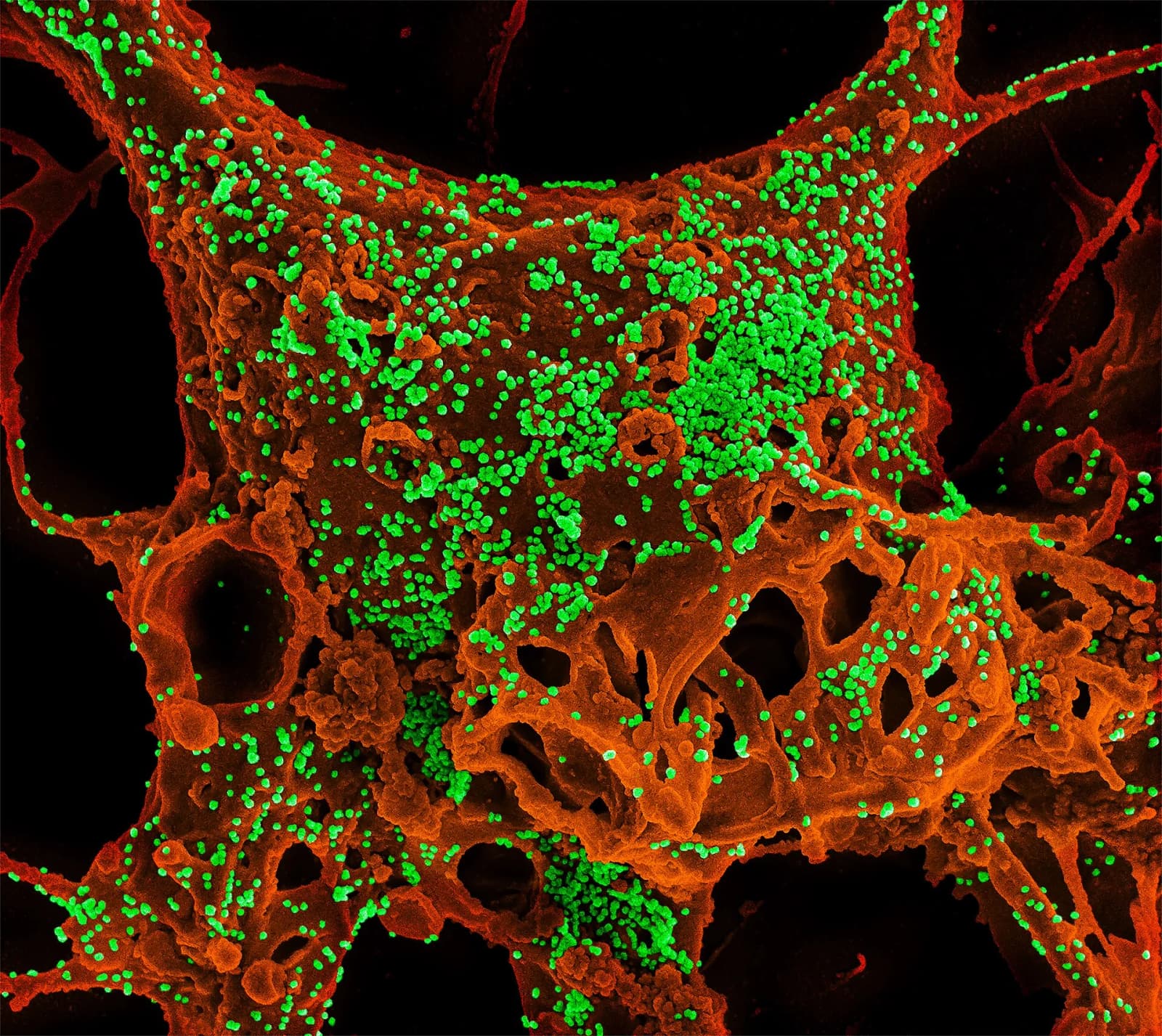
MERS is caused by a coronavirus that lives naturally in dromedary camels. People usually catch it through direct or indirect contact with the animals, though it can spread between people in close contact, particularly in hospitals. Among laboratory-confirmed cases, about 37% of patients have died, WHO said, while noting that this figure may overstate the true death rate because milder infections often go undetected.
WHO said the appearance of two unrelated cases shows that the virus continues to jump from camels to people, especially those who handle the animals for work and have underlying illnesses. Under the agency's rapid risk assessment of 29 January 2026, the overall risk from MERS remains moderate at both regional and global levels.
What WHO is advising
- Countries should keep up surveillance for acute respiratory infections and include MERS in testing where patients have relevant camel contact or travel history.
- Hospitals should apply standard infection-control precautions with every patient, and add droplet, contact and, during aerosol-generating procedures, airborne precautions for suspected cases.
- People with diabetes, kidney failure, chronic lung disease or weakened immunity should avoid close contact with camels or their products on farms and in markets.
- People should avoid raw camel milk or camel urine and eat camel meat only when properly cooked.
WHO does not advise any restrictions on travel to or trade with Qatar on the basis of these cases.
What happens next
Qatar has put in place infection-control measures, stepped up vigilance in health facilities and sent an advisory to doctors, WHO said. Investigations among camel herds and targeted awareness campaigns for people who frequently work with camels are continuing, and WHO said ongoing surveillance is needed to detect any further transmission.