The World Health Organization has published its first-ever guideline dedicated to diagnosing and managing type 1 diabetes in children and adolescents, a document aimed squarely at clinics in poorer countries where young patients often go undiagnosed or lack steady access to insulin. The 170-page guidance, dated 13 November 2026, arrived a day after a separate WHO guideline on insulin use for adults with type 1 diabetes, and on the eve of World Diabetes Day on 14 November.
What the children's guideline covers
According to WHO, the new guideline applies to young people up to the age of 19 and is written for primary and secondary care, with a particular focus on settings where resources are limited. It is meant not only for specialists but also for non-specialist health workers, programme managers and policymakers. WHO said the recommendations were built on systematic reviews of evidence graded using the GRADE method.
The document is organised around the practical decisions a clinician faces. The topics it addresses include:
- the first clinical assessment of a child suspected of having diabetes, including the use of a point-of-care urine dipstick test where blood glucose cannot be measured;
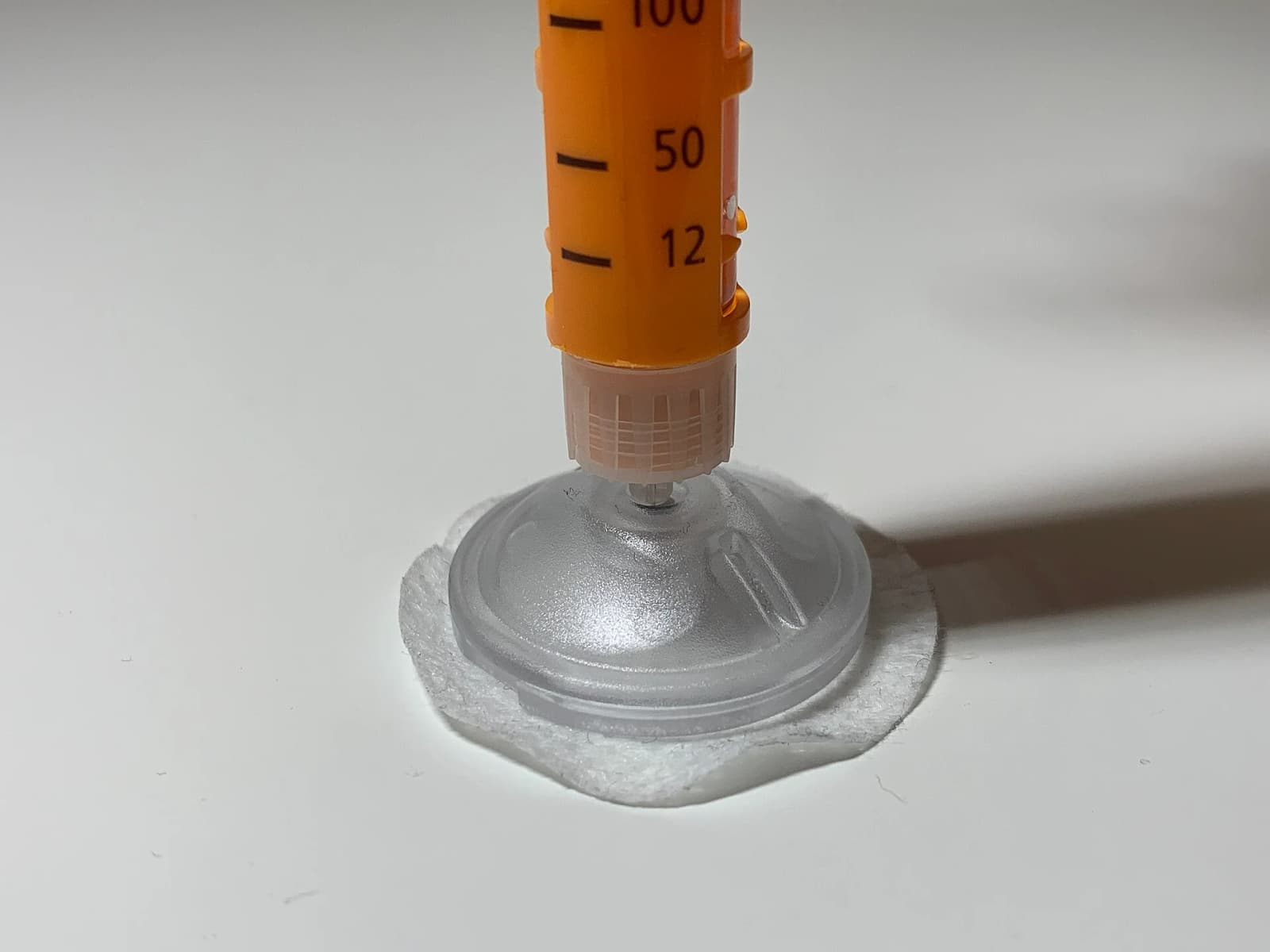
- the choice of insulin types, starting doses, regimens and delivery devices;
- glycaemic targets set for the individual patient, and how they should be monitored;
- spotting and treating diabetic ketoacidosis, including in very young children, and managing low blood sugar;
- screening, based on risk, for damage to the eyes (retinopathy) and kidneys (nephropathy).
The guideline sits within WHO's wider set of consolidated guidelines on the management of common childhood illness, the agency said.
A companion guideline for adults
On 12 November, WHO also released a 125-page guideline on insulin use for adults with type 1 diabetes. WHO said it is intended to work across very different health systems, explicitly including low-resource, emergency and humanitarian settings, and that it updates and expands earlier WHO guidance on diagnosis and classification, insulin regimens and delivery methods, and the monitoring of blood glucose control.
Its central recommendation is a strong one: adults should receive intensified insulin therapy through multiple daily injections, with doses adjusted according to blood glucose readings. WHO acknowledged that this approach may need to be adapted in emergencies and humanitarian crises. On the question of which insulin to use, the guideline says both human insulin and the newer insulin analogues are acceptable, but it states a preference for human insulin, largely because it generally costs less.
Why it matters
WHO said the adult guideline is designed to promote safe, effective and feasible use of insulin along with equity and continuity of care. It ties the guidance to a global diabetes coverage target: universal access to affordable insulin and to blood glucose self-monitoring by 2030.
The children's guideline, for its part, is framed by WHO as a response to global inequities in both outcomes and access to care for young people living with type 1 diabetes. By including fallback options such as urine dipstick testing, the guidance is pitched at clinics that may not have the equipment taken for granted in wealthier health systems.
What happens next
Both documents are now available for download from WHO's website. They are primarily addressed to health-care providers, but WHO said they are also meant to help policymakers, programme managers and humanitarian organisations strengthen diabetes services. How quickly the advice reaches patients will depend on national health authorities adopting the recommendations into their own treatment protocols and procurement plans.
PS · Marius Vassnes, CC BY-SA 4.0