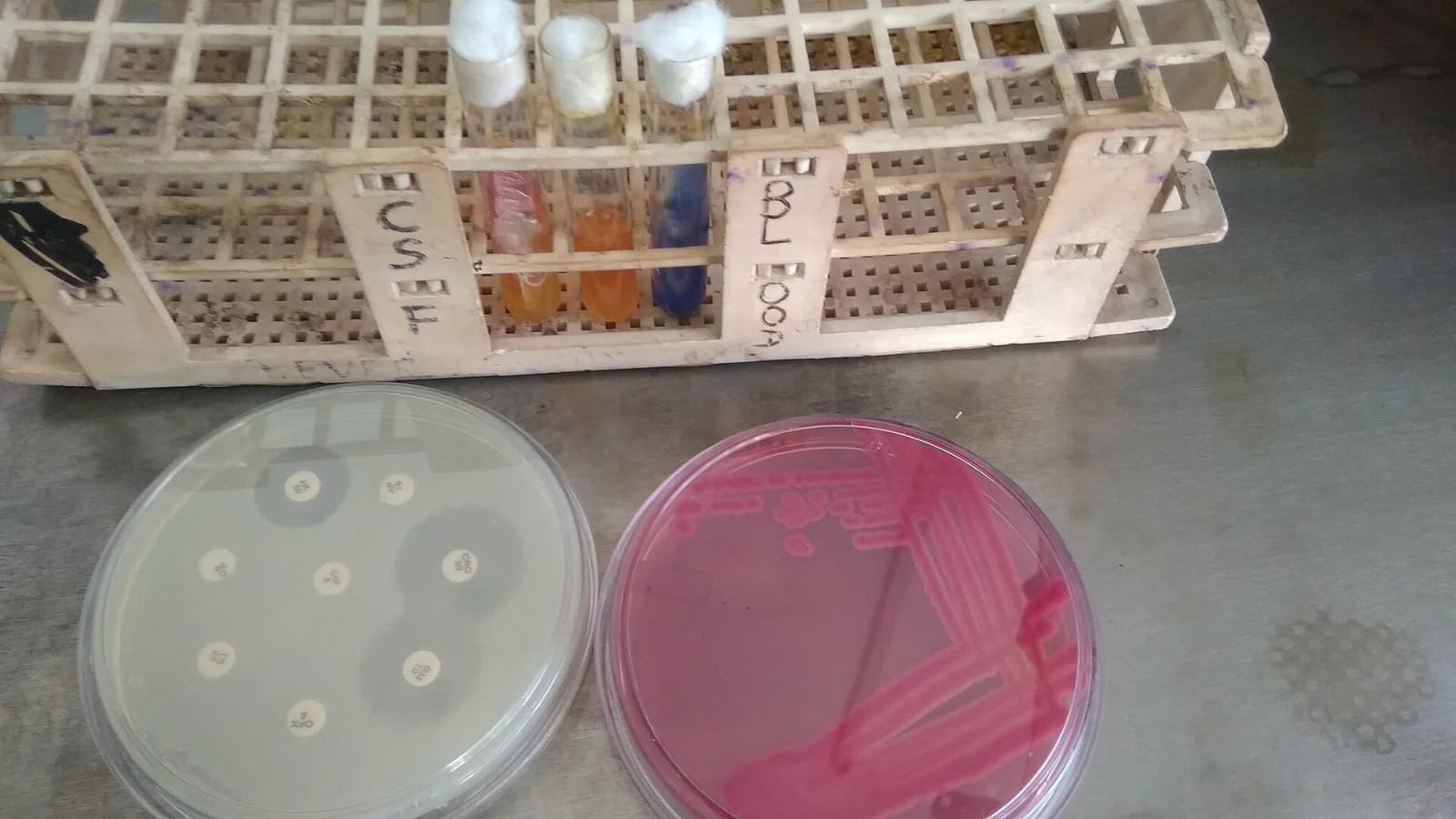
In about half of the countries that reported data in the World Health Organization's European Region, at least half of the samples of two common hospital bacteria taken from seriously ill patients were resistant to key antibiotics, according to a joint analysis released on 18 November 2026 by WHO's Regional Office for Europe (WHO/Europe) and the European Centre for Disease Prevention and Control (ECDC).
The two bacteria are Klebsiella pneumoniae and Acinetobacter, both of which spread in hospitals and can cause serious bloodstream infections. The report is based on 2025 laboratory data from bacteria found in blood and cerebrospinal fluid, WHO/Europe said in its release.
How widespread is the resistance?
It is the norm in close to half of reporting countries. In 21 of the 43 countries that reported 2025 data on Klebsiella pneumoniae, half or more of the samples tested were resistant to third-generation cephalosporins, a commonly used group of antibiotics. In 10 of those 43 countries, half or more were also resistant to carbapenems, broad-spectrum drugs that doctors turn to when other options fail. For Acinetobacter, carbapenem resistance in half or more of samples was found in 21 of 38 reporting countries.
"In many countries in our Region, the antibiotics doctors usually reach for first are failing against serious hospital infections," said Dr Marc-Alain Widdowson, Programme Manager in WHO/Europe's Health Security Division. He said that when carbapenems also stop working, what is left is mostly a small group of last-resort drugs that are often expensive and not available everywhere, adding that patients whose first antibiotic does not work "are more likely to die in hospital".
Is Europe meeting its own targets?
Not on two of three. In 2023 the European Union set targets to cut bloodstream infections caused by resistant bacteria by 2030, using 2019 as the baseline. Instead of the targeted 5% fall, infections with carbapenem-resistant Klebsiella pneumoniae rose by an estimated 72% between 2019 and 2025. Infections with E. coli resistant to third-generation cephalosporins, set a 10% reduction target, rose by an estimated 16.4%.
The third target, a 15% cut in methicillin-resistant Staphylococcus aureus (MRSA), has already been met with an estimated 19% fall, though the report says rates have risen in the last two years. It also notes that resistant Acinetobacter bloodstream infections in the EU have almost halved since the high levels seen in 2021, during the COVID-19 pandemic.
What gaps did the report find?
Of the 51 countries with data, 16 (31%) still collect resistance data without a standardised national approach and national coordination. Almost every country in the region (94%) reports having a national action plan on antimicrobial resistance or revising one, but only 40% say they are carrying it out with funding and regular progress checks.
"A plan on paper doesn't stop an infection on a hospital ward," Widdowson said, pointing to infection control, careful antibiotic use, laboratories that can spot resistant bacteria quickly and the right drugs in the right place.
What is WHO/Europe asking countries to do?
The agency called on governments to fund and implement their action plans, strengthen infection prevention in hospitals, keep carbapenems and last-resort drugs for patients who need them, invest in laboratories and routine blood cultures, and make last-resort antibiotics available where patients need them.
What are the limits of the data?
The analysis combines the ECDC-coordinated EARS-Net network, covering all 30 EU/European Economic Area countries, and the WHO/Europe-coordinated CAESAR network, covering 17 other countries; Tajikistan reported for the first time in 2025. WHO/Europe cautioned that national systems differ, so country comparisons need care, and that the report measures laboratory results rather than treatment outcomes. Region-wide figures cover only countries that reported each bacterium, not all 53 member states.
Photo source · Ajay Kumar Chaurasiya, CC BY-SA 4.0