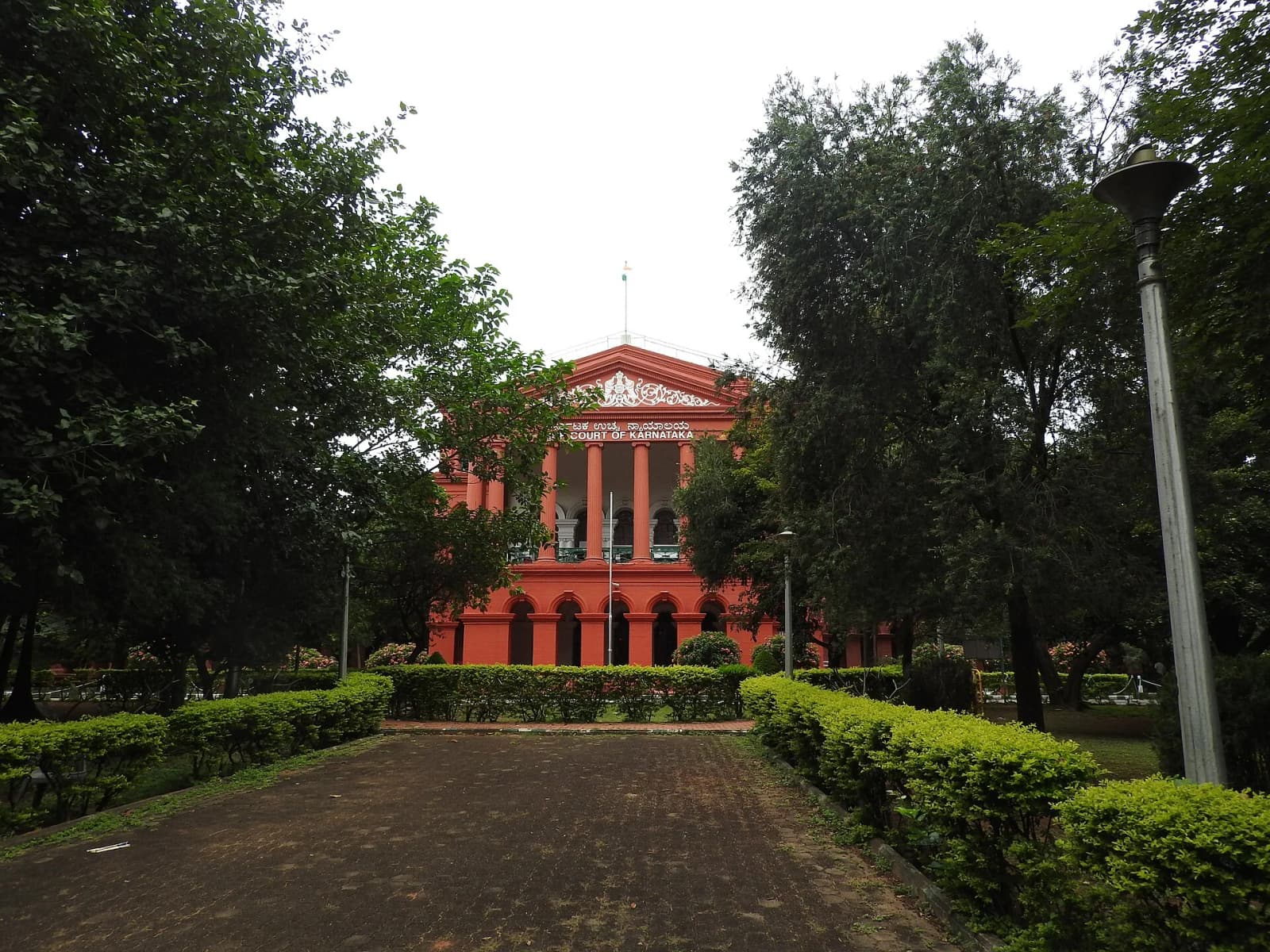
The West Bengal government has approached the Supreme Court against a Calcutta High Court order that stops the State Election Commission from notifying Kolkata Municipal Corporation (KMC) elections on the basis of redrawn ward boundaries, legal news website Bar and Bench reported on Monday, 16 November 2026.
According to the report, the petition was filed on 13 November 2026 through advocate Uddyam Mukherjee. The report does not set out the specific grounds on which the state has challenged the order, and no hearing date in the Supreme Court has been reported so far.
What the High Court ordered
Bar and Bench reported that on 6 November 2026 a Division Bench of Justices Sabyasachi Bhattacharyya and Arjun Ray Mukherjee directed that no election notification be issued under the amended Schedule II of the Kolkata Municipal Corporation Act, 1980, until a pending petition challenging the delimitation is decided. In doing so, the bench modified an earlier single-judge order.
The order came on an appeal by Dipu Das, described in the report as a former ward councillor during the CPI(M) regime between 2005 and 2010.
The dispute: 144 wards to 209
At the centre of the case is a notification dated 11 September 2026 that altered municipal ward boundaries ahead of the civic polls. As per the report, it proposes to raise the number of KMC wards from 144 to 209.
Das alleged that the boundaries were redrawn to give the ruling party a political advantage, and that the exercise relied on electoral rolls rather than actual population figures, Bar and Bench reported.
Why the court stepped in
The main question before the High Court, according to the report, was whether an administrator appointed after the dissolution of the elected Corporation could recommend changes to ward boundaries under Section 601 of the KMC Act.
- The bench held that this power belongs to the elected Corporation and cannot be exercised by an administrator; otherwise the state government would effectively be making a recommendation to itself through its own appointee.
- It held that Article 243ZG of the Constitution, which limits court interference in certain municipal election matters, did not bar the challenge because the exercise was an executive notification under Section 601.
- It flagged concerns of arbitrariness in the sequence of events, but said the allegations of malice in law and gerrymandering need full adjudication and cannot be decided at the interim stage.
What happens next
The state's petition is pending in the Supreme Court. The petition challenging the delimitation itself is still pending before the Calcutta High Court, and under the 6 November order no election can be notified on the revised boundaries until it is decided.