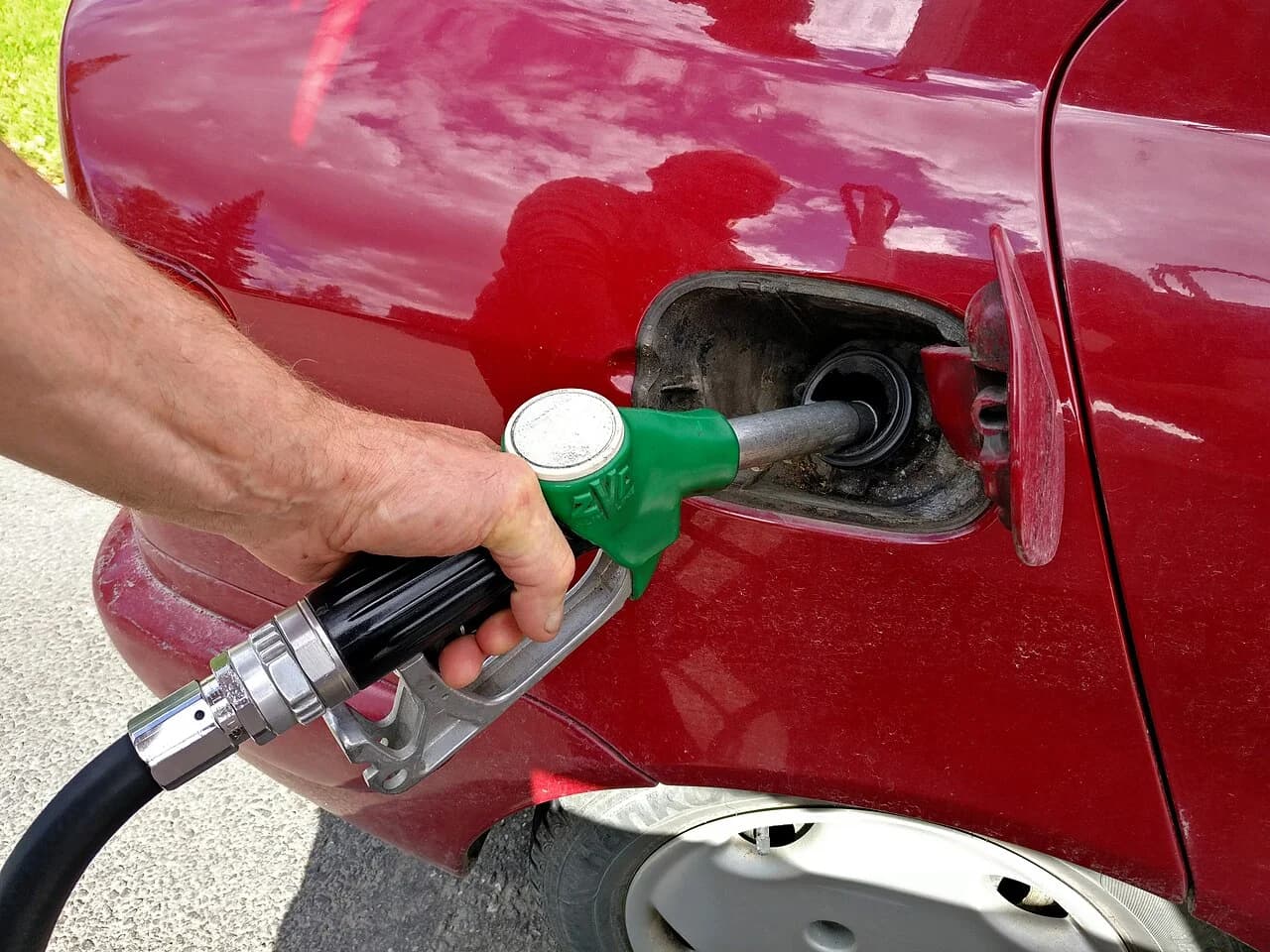
Is the petrol sold as E20 in India really 20% ethanol? For ten days Karnataka and the Union government have given opposite answers to that question, and on Monday, 16 November, the state said it would take the matter formally to Delhi. Speaking in Mysuru, Karnataka's Food, Civil Supplies and Consumer Affairs Minister Rizwan Arshad said all documents, certificates and reports on alleged excess blending at six fuel terminals in the state would be sent to the Union Petroleum Ministry on Tuesday, 17 November, and also made public, news agency IANS reported. This explainer sets out what each side has actually said, which numbers come from where, and what is still unsettled.
What happened
On 6 November, Arshad released the results of laboratory tests on petrol collected from pumps in Karnataka. According to The News Minute, the state had 63 samples tested and reported ethanol content as high as 31.2%, well above the 20% that E20 is supposed to contain. On 7 November the Ministry of Petroleum and Natural Gas rejected the claim, saying the samples it had tested met the prescribed standard. Karnataka repeated on 9 November that it "stands by its report", PTI reported.
Background and timeline
- 21 September onwards: Karnataka says its officers collected samples from petrol pumps under the Motor Spirit and High Speed Diesel control order of 2005, PTI reported. The oil companies describe the exercise as one carried out in October.
- 6 November: Arshad makes the findings public and asks Union ministers Hardeep Singh Puri and Nitin Gadkari to explain, The News Minute reported.
- 7 November: The petroleum ministry and the three public sector oil marketing companies (Indian Oil, Bharat Petroleum and Hindustan Petroleum) reject the findings, according to News On AIR and Business Today.
- 8 November: Chief Minister D. K. Shivakumar says samples were collected and tested at 67 locations and that information has been sent to the Centre, PTI reported.
- 16 November: Arshad says the documents will go to the petroleum ministry the next day and that the state is considering legal action if the Centre does not take appropriate steps, IANS reported. The same day in Udupi, Union Minister H. D. Kumaraswamy says the actual blending percentages should be established before political protests.
The data each side has put out
Karnataka's numbers. The samples came from seven districts: Bengaluru, Bengaluru Rural, Kolar, Chikkaballapura, Ramanagara, Mangaluru and Tumakuru, The News Minute reported. The highest readings were 31.2% in a sample from an Indian Oil outlet and 30.5% from a Hindustan Petroleum outlet; other readings ranged from 20.6% to 27%, and the lowest was 13.5%. Free Press Journal reported the state as saying 11 of 14 detailed samples were above the limit, while The News Minute quoted Arshad as saying nearly four in five samples exceeded 20%.
The Centre's position. The ministry said E20 supplied by the three public sector companies conforms to IS 17021, the Bureau of Indian Standards specification for ethanol-blended petrol, and that all the samples it tested, including those drawn in Karnataka, met the standard, News On AIR reported.
What the two sides say
Karnataka. The state says testing began after motorists complained of lower mileage and repeated repairs. Arshad said the samples first went to the in-house laboratories of Indian Oil and Bharat Petroleum, whose reports did not state the ethanol percentage. "None of the companies provided an answer to that question for any of the 63 samples," The News Minute quoted him as saying. The state then turned to NABL-accredited private laboratories. He argues that blending is done at six automated terminals in Karnataka rather than by pump dealers, so this is not, in his words, "an ordinary adulteration issue involving a few outlets". Shivakumar said, according to PTI: "The Centre cannot shirk responsibility on this matter." Karnataka's demands are action against companies supplying fuel above 20% ethanol, compensation for affected vehicle owners, display of the ethanol percentage at pumps and a choice of blends for consumers. Arshad has said the state is not against ethanol blending as such.
The Centre and the oil companies. The ministry says E20 supplied across the country, including in Karnataka, meets the prescribed standard. The companies say the state's claims are not backed by tests done under the prescribed statutory and technical procedures. Their objections, as reported by Business Today and Free Press Journal: company representatives were not present when samples were drawn, counterpart samples and full laboratory reports were not shared, the third-party certificates lacked details of the gas chromatography method, and the density readings do not sit well with such high ethanol levels. They have asked for the complete sampling records and for joint sampling and re-testing at an authorised laboratory. Kumaraswamy, the Union Minister for Heavy Industries and Steel, said on 16 November that the controversy could be resolved if the facts were presented transparently and questioned why the Congress was holding protests before the actual percentages were established, according to IANS.
What it means for motorists across India
The ministry's position is that E20 supplied across the country, not only in Karnataka, meets the standard, while Arshad has asked every state, whichever party governs it, to run its own checks instead of relying on the oil companies' tests. Karnataka also argues, according to IANS, that excess ethanol could harm older engines and cut mileage without any relief in price.
The cost to vehicle owners is itself contested. A Karnataka press release put the yearly burden at about Rs 1.01 lakh crore: Rs 62,000 crore from lower mileage and Rs 39,000 crore in repairs. The ministry disputes that estimate, Business Today reported. Arshad has alleged drops of 20% to 30% in some cases. Neither side has published vehicle-level evidence in the material available so far, so readers should treat these figures as claims.
What is established, and what is not
Established (both sides agree, or an official statement says so):
- Both sides cite IS 17021 as the applicable standard, and both treat 20% as the blend that E20 is meant to contain.
- Karnataka has published results showing readings of up to 31.2%; the Centre has said on record that every sample it tested met the standard.
- Both the state and the oil companies have said they are willing to take part in joint sampling or inspection.
Uncertain or disputed:
- How much ethanol is actually in the fuel. The two sets of results did not come from the same samples, and no joint test result has been reported.
- Whether the state's sampling was valid. The companies say their representatives were absent and paperwork was incomplete; Karnataka says samples were sealed and signed jointly with dealers' representatives and tested by an accredited laboratory using methods listed in the standard. The laboratory has not been named in the reports reviewed.
- Where any excess could have entered. Karnataka points to the blending terminals; the companies, according to Arshad's account, suggested irregularities could occur at individual outlets.
- The size of any loss to consumers. The Rs 1.01 lakh crore figure and the mileage claims are disputed.
What happens next
The state's documents are due to reach the petroleum ministry on 17 November. Arshad said Karnataka had gathered substantial evidence, had already sought legal opinion and would wait for the Centre's reply before deciding its next step. "We will wait for some time," IANS quoted him as saying. Star of Mysore reported him as saying that, without a positive response, the state would take an appropriate decision within the constitutional framework. The step that could settle the factual question is joint sampling with tests at a laboratory both sides accept; both have said they are open to it, but no date has been reported. Karnataka says it will continue periodic random testing through third-party laboratories.
PS · Santeri Viinamäki, CC BY-SA 4.0