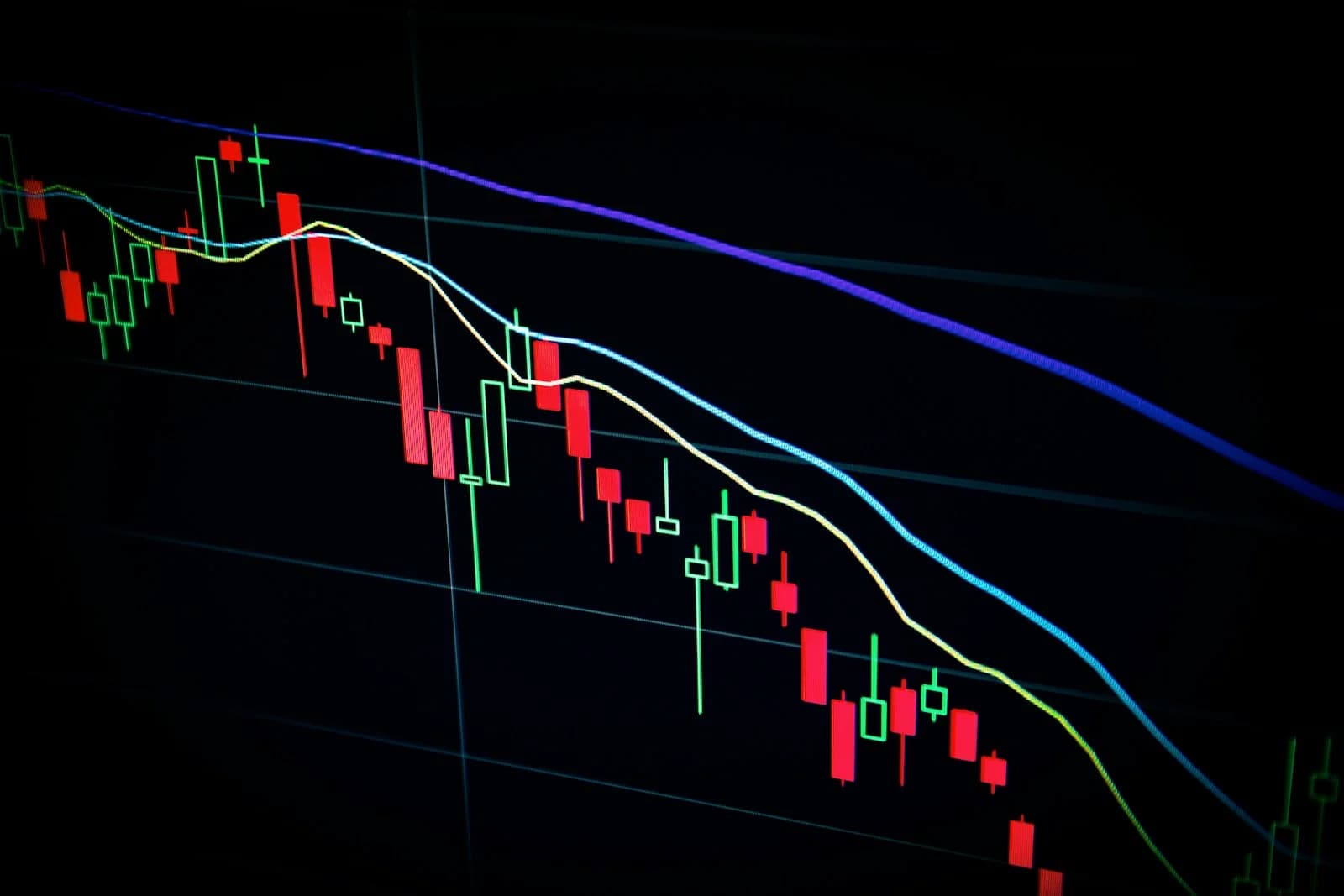
The S&P 500 and the Dow Jones Industrial Average closed in correction territory in New York on Friday, 20 November 2026, after a deepening sell-off in artificial intelligence and chip stocks. The S&P 500 fell 3.7% to about 6,910, the Dow lost 949.73 points, or 1.93%, to 48,147.33, and the Nasdaq Composite dropped 5.28% to 22,617.73, wiping out its gains for 2026, according to CNBC's closing market report and The Globe and Mail.
What is a correction, and how deep is this one?
A correction is a fall of at least 10% from a recent peak, and both the S&P 500 and the Dow closed about 10% below their record closes on Friday, CNBC reported. The Nasdaq Composite is now down about 2.7% for the year. The tech-heavy Nasdaq-100 fell 5.6% on the day and briefly traded 20% below its recent high during the session, the usual threshold for a bear market.
The week was one of the worst in years. The Dow lost about 8%, its worst week since March 2020; the S&P 500 fell 8.6%, its worst since April 2025; and the Nasdaq Composite dropped about 10%, its steepest weekly fall in more than six years, CNBC said. The Globe and Mail reported that the S&P 500 has now fallen for seven straight sessions, its longest losing run since February 2020.
Which stocks led the fall?
Chipmakers took the heaviest hits. Nvidia shares fell 13.8%, according to The Globe and Mail, while CNBC reported that AMD dropped more than 13% and Micron nearly 14%. Anthropic, which jumped 17% in its stock market debut on Thursday, 19 November, gave back 8.5% on Friday.
Investors moved into defensive names instead. Walmart, Costco, Johnson & Johnson and Procter & Gamble each rose about 1% or more, CNBC said. In Toronto, the S&P/TSX Composite Index fell 2.5% to 33,189.85 and also entered a correction, The Globe and Mail reported.
Why are markets falling?
Analysts quoted by both newsrooms pointed to doubts about the heavy spending on AI and whether it will pay off. CNBC also cited signs of slowing AI capital spending and the prospect of further interest rate rises by the US Federal Reserve. Markets are pricing in a near-certain quarter-point rate hike at the Fed's 8–9 December meeting, the two outlets reported.
"This is not just a valuation-driven correction. It's becoming broader," Massimo Santicchia, head of US equities at Procyon, told CNBC. Ali Jaffery of KPMG Canada told The Globe and Mail: "The AI trade has been wobbly for several weeks, but today has been particularly bloody."
Bond investors sought safety. The yield on the 10-year US Treasury note fell 14 basis points to 4.912%, its fifth straight daily decline, according to The Globe and Mail.
What happens next?
Some strategists expect more pain. James Reilly of Capital Economics told CNBC that the falls in tech stocks and the S&P 500 "have further to run", and that he expects the index to end next year at 6,500. Jonathan Krinsky, chief market technician at BTIG, told CNBC that the technical picture suggested the sell-off was not yet over.
The rout follows a slide across Asia on Friday, when Taiwan's Taiex, Japan's Nikkei and South Korea's Kospi tumbled on the same AI worries. Indian and other Asian markets will next trade on Monday, 23 November, when investors will get their first chance to react to Wall Street's Friday close.