This is a MapMyTimes opinion piece. On 19 November 2026, Meta published its 2026 Sustainability Report and said it is re-evaluating the 2030 deadline for its net zero emissions goal, after its emissions rose 45% in 2025. MapMyTimes reported the announcement as news. Our view: a company is allowed to admit that a target has become harder, but a review with no end date and no fixed yardstick is not a climate plan.
What Meta has actually said
The numbers come from Meta itself. According to the report, the company's net emissions in 2025 were 11.8 million tonnes of carbon dioxide equivalent, up 45% from the year before. Meta says the rise was driven mainly by two Scope 3 categories: purchased goods and services, and capital goods. Its own table puts capital goods alone at 73% of the total, and Scope 3 as a whole at 99%. In plain words, most of the climate cost now sits in what it takes to build AI infrastructure, not in the electricity bill.
Meta writes that it is "re-evaluating our timelines, sequencing, and interim milestones", including the 2030 timeframe for net zero and its near-term intensity targets. It says it "will share where this work lands", but gives no date for that decision.
The strongest case for Meta
Meta's argument deserves a fair hearing. The report says that when the goal was set, the company expected steady growth, falling clean energy costs and wider system changes. Instead, it says, demand for AI infrastructure arrived "on a timeline measured in quarters rather than decades", while interconnection queues run for years, permitting has not sped up, transmission lags demand and supply chains for low-carbon materials are still maturing. Those are real bottlenecks, and many of them are outside any single company's control.
Meta also points to genuine work. It says it matched 100% of its annual electricity use with clean and renewable energy for the sixth year running, contracted more than 10 GW of new capacity in 2025 and now has more than 30 GW contracted in total. It reports that 62% of its suppliers, measured by their share of its emissions, have set science-aligned reduction targets, and that its latest data centre designs carry about 77% less embodied carbon than its original specifications. And a firm that says openly its target is slipping is more useful than one that quietly misses it in 2030.
Why a review is not enough
Even so, the way this has been announced leaves too much open. A pledge is a promise made to the public, to investors and to the communities that host data centres. When the promise changes, the people it was made to deserve to know three things: what the new date is, what will be measured, and when they will be told.
The report already contains a warning sign. Meta says it is reviewing its near-term intensity targets as well as the 2030 date. Intensity measures emissions per unit of activity, and it can improve even as total emissions rise. If a revised plan leans more heavily on intensity, the headline figure that matters to the atmosphere, absolute tonnes, could keep climbing while the progress charts look better. Meta has not said it will do this. But a review that leaves the yardstick itself open invites that worry.
The bottlenecks Meta lists are also not new surprises. Long grid queues and slow permitting were well known when the AI build-out began. A company that chose to build at this pace was also choosing a higher emissions path, and it should own that choice in its numbers rather than treat it only as bad luck.
What a credible reset would look like
We think Meta can still turn this into a test of seriousness rather than a retreat. First, it should name a date by which the review will be finished, rather than an open-ended "we will share". Second, any new pathway should keep an absolute emissions target alongside any intensity measure, so readers can see total tonnes going down, not only tonnes per unit. Third, interim milestones should be yearly and independently checked; Meta already obtains limited assurance from independent accountants on its emissions data. Fourth, because nearly three-quarters of the footprint is in capital goods, the plan should set specific goals for low-carbon steel, concrete and hardware, where Meta's buying power is greatest.
If Meta comes back with a clear, dated and measurable plan, it could set a useful standard for an industry whose energy demands are growing fast. If the review simply drifts, the 2030 promise will have been quietly withdrawn without anyone having to say so. The public is owed the first outcome.
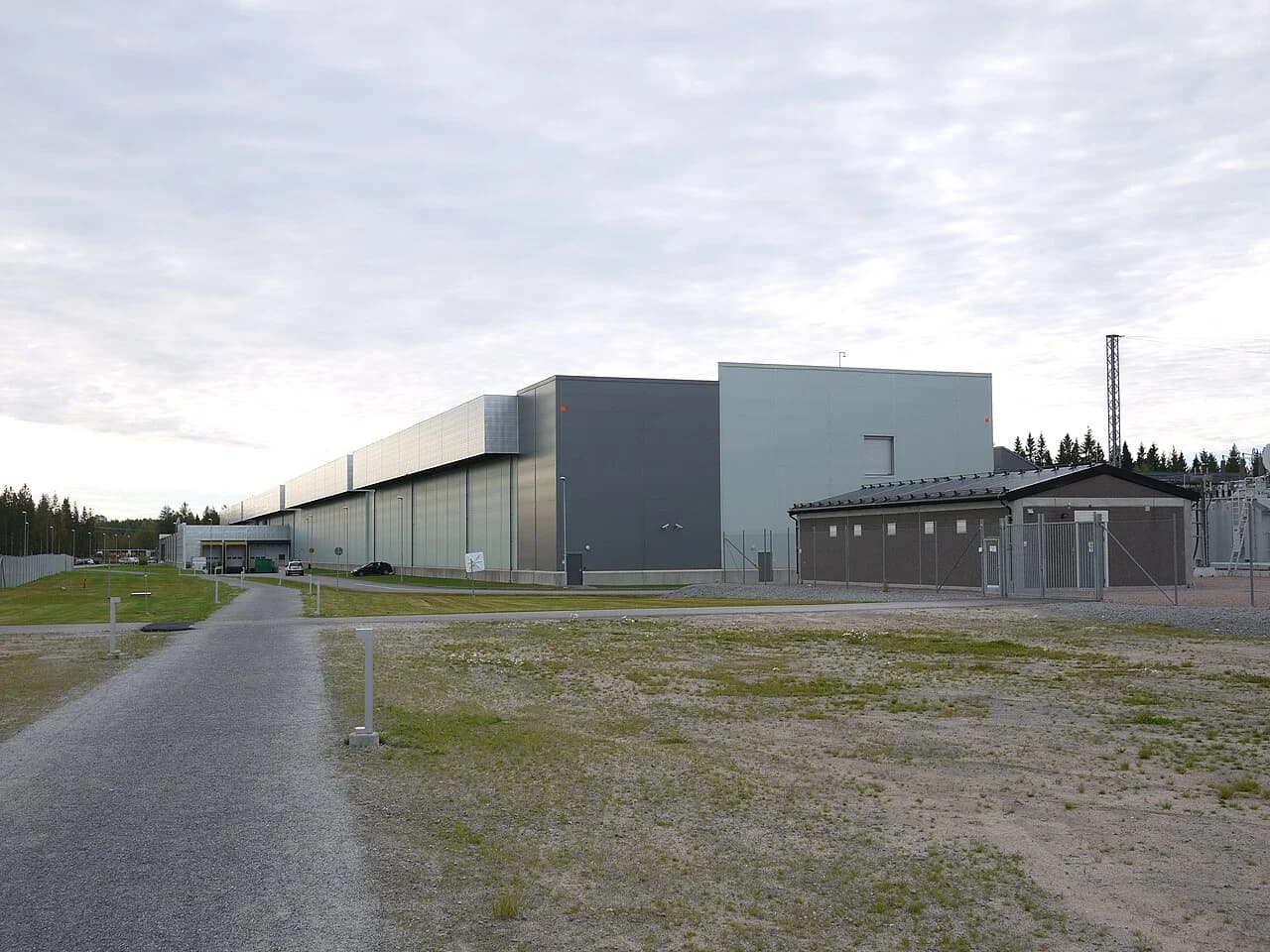
Photo source · Christopher Down, CC BY 4.0