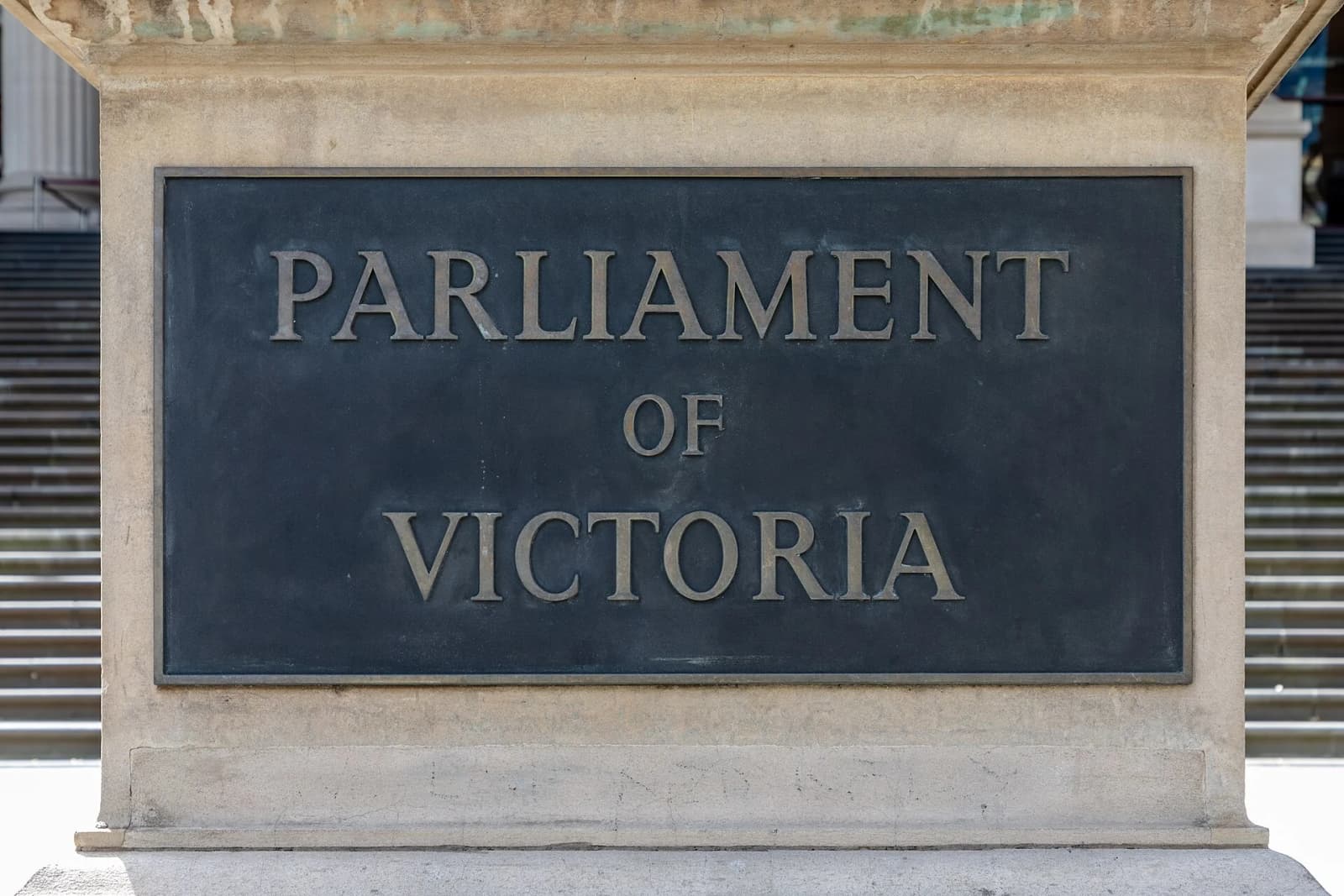
The Liberal-National Coalition swept to power in the Australian state of Victoria on 28 November 2026, ending 12 years of Labor government, with Liberal leader Jess Wilson set to become the state's 51st premier and outgoing Labor Premier Ben Carroll losing his own seat in Melbourne's north-west, according to the Australian Broadcasting Corporation's (ABC) election coverage.
ABC elections analyst Casey Briggs called the result for the Coalition shortly after 7:30 pm local time. With about 35% of the statewide vote counted at around 11 pm, the ABC had the Coalition on 47 seats in the Legislative Assembly, already beyond the 45 needed for a majority, and Briggs said it could reach 50 or more.
Who is Jess Wilson?
Jess Wilson, born in 1990, will be the first woman elected premier of Victoria and the state's first millennial premier, the ABC reported. Speaking at Liberal Party headquarters in Melbourne, she said Carroll had phoned her to concede, and referred to predictions that her party was finished in the state: "Tonight we showed that those last rites were premature." She added: "Victorians have placed their trust in me tonight, and I will return that trust with the truth."
How bad was the night for Labor?
Carroll, who had been premier for only 123 days after Jacinta Allan stepped down, lost Niddrie, a seat Labor had held since 1976. Conceding at about 8:45 pm, he said: "As leader of the party, I accept full responsibility." He added: "We ran a strong campaign, but you can't outrun time."
Several ministers were defeated, among them Attorney-General Sonya Kilkenny in Carrum, Police Minister Paul Edbrooke in Frankston and Housing Minister Nick Staikos in Bentleigh, all to Liberal candidates. Labor also lost Footscray, which it had held for more than 50 years, to the Greens. Late in the evening the ABC projected Labor to win only around five lower house seats.
Early counting showed Labor's primary vote down by about 21 percentage points. By 10:23 pm the party had slipped to third place statewide behind the Coalition and One Nation.
What about One Nation and the Greens?
One Nation won about 23.5% of the primary vote in early counting, a rise of roughly 23 points, but the ABC said preferences often flowed away from the party, limiting its lower house gains. Its Victorian leader, Warren Pickering, was not expected to win Pakenham, which was called for the Liberals. The Greens had one of their best nights in the state, with Briggs estimating about eight lower house seats, up from three, including Footscray and Pascoe Vale. Greens MP Ellen Sandell held her seat of Melbourne.
In the 40-seat Legislative Council, with about 14% counted, the ABC projected around 10 seats for the Coalition, five for One Nation, four for Labor and three for the Greens, with several more in play.
Why does it matter?
Labor had governed Victoria for 12 years, and the scale of the defeat, together with One Nation's strong primary vote, marks a sharp break in the state's politics. The Liberals also won a string of suburban Melbourne seats from Labor, including Point Cook, where Raja Reddy won with a swing of about 11%, and Glen Waverley, Ringwood, Mordialloc and Eltham, the ABC reported.
What happens next?
Counting will continue over the coming days, and final seat numbers may change, particularly in close contests such as Benambra. The Victorian Electoral Commission will declare official results, after which Wilson will be sworn in as premier. Live seat counts are available on the ABC's Victorian election results page, and the full night is recorded on its live blog.
Photo source · Dietmar Rabich, CC BY-SA 4.0