Forces of Yemen's internationally recognised government, backed by Saudi-led coalition aircraft, pounded Houthi-held areas across more than six governorates overnight into 28 November 2026, as both sides traded blame for civilian deaths in Taiz province and the coalition said it had shot down Houthi missiles and drones aimed at Saudi Arabia.
In the capital Sanaa, which the Houthis control, 13 people were wounded, three of them critically, when a gas station in the Tahrir district was hit, Al Jazeera reported from the city. The Houthis said a separate strike killed a man and his wife at their home. Other reported targets included a fuel station in Bani Matar, positions in Taiz, and a power station in the Red Sea port of Mocha, which was hit in five raids.
What does the government say it has achieved?
The government says the offensive, which it calls "Dawn of Yemen", is inflicting heavy losses on the Houthis. Armed forces spokesman Colonel Majed al-Nuzaili said in a daily statement carried by the state-run Saba news agency that troops had carried out 726 targeting operations, including 23 air strikes, 642 artillery strikes, 35 drone strikes and 26 rocket-launcher strikes. He said 121 Houthi commanders and fighters were "neutralised" and 81 vehicles and combat assets destroyed or disabled. These figures could not be independently verified.
Fighting continued on fronts in Marib, al-Jawf, Taiz, Lahij, Shabwah, Midi and al-Dhale, according to the government. The Saudi-led coalition said it intercepted a Houthi cruise missile aimed at the Riyadh area, Saba reported, along with a ballistic missile fired towards southern Saudi Arabia.
Who killed 11 civilians in al-Turbah?
That remains disputed. Houthi-affiliated media said a Saudi air strike killed 11 civilians, most of them children, in al-Turbah in Taiz province. Al Jazeera said it could not confirm the claim and the coalition did not comment. Tribal and community leaders of the Shamayatain district, in a statement reported by Saba, instead blamed a failed Houthi ballistic missile launch for the deaths. Saba separately reported that Houthi attacks on residential areas in Taiz killed three civilians, including a 10-year-old boy.
Why does the escalation matter?
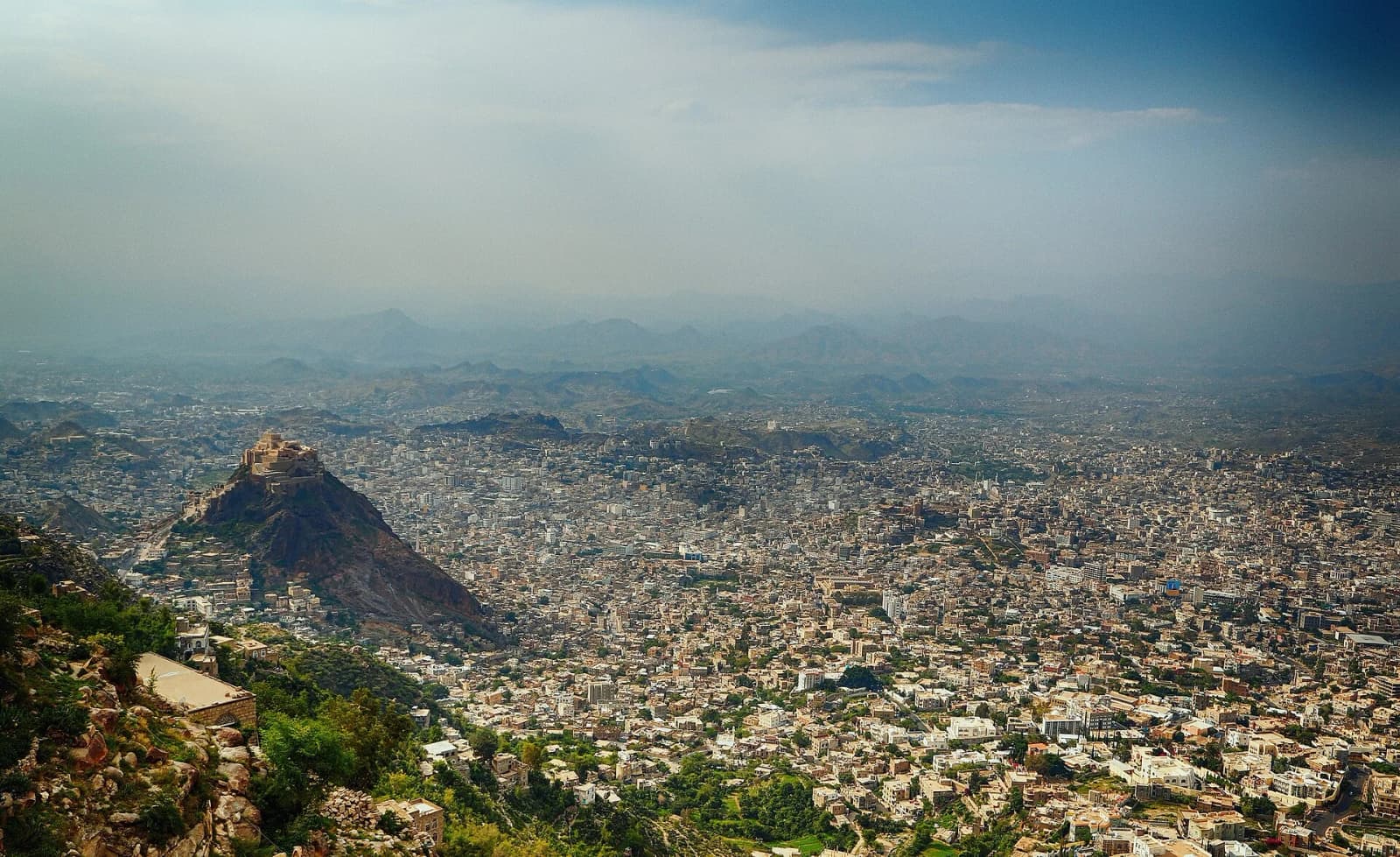
Yemen's war has reignited this year. A 2022 truce broke down and fighting resumed in July amid the US-Israel war on Iran. The Houthis encircled Taiz city in early October, a situation the UN has likened to a siege, and the group is holding 73 UN staff.
The fighting comes as Yemen's hunger crisis deepens. On Friday the World Food Programme and the Food and Agriculture Organization named Yemen among the countries facing the gravest food insecurity, warning that conditions are likely to worsen over the next six months, as MapMyTimes reported. About 1.8 million people in government-held areas face emergency hunger, and more than 300,000 people have been newly displaced since the escalation, mostly in Taiz, Lahij and Aden. Aid groups say donor cuts have made matters worse.
What to watch next
Houthi strikes on Saudi territory have already drawn Riyadh's allies closer: Saudi Arabia, Pakistan and Türkiye pledged this week to strengthen Saudi defence, as MapMyTimes reported. Casualty claims from both sides remain unverified, and humanitarian access to Houthi-held areas is limited, making the toll of the latest strikes difficult to confirm.
Photo source · أنس الحاج, CC BY-SA 2.0