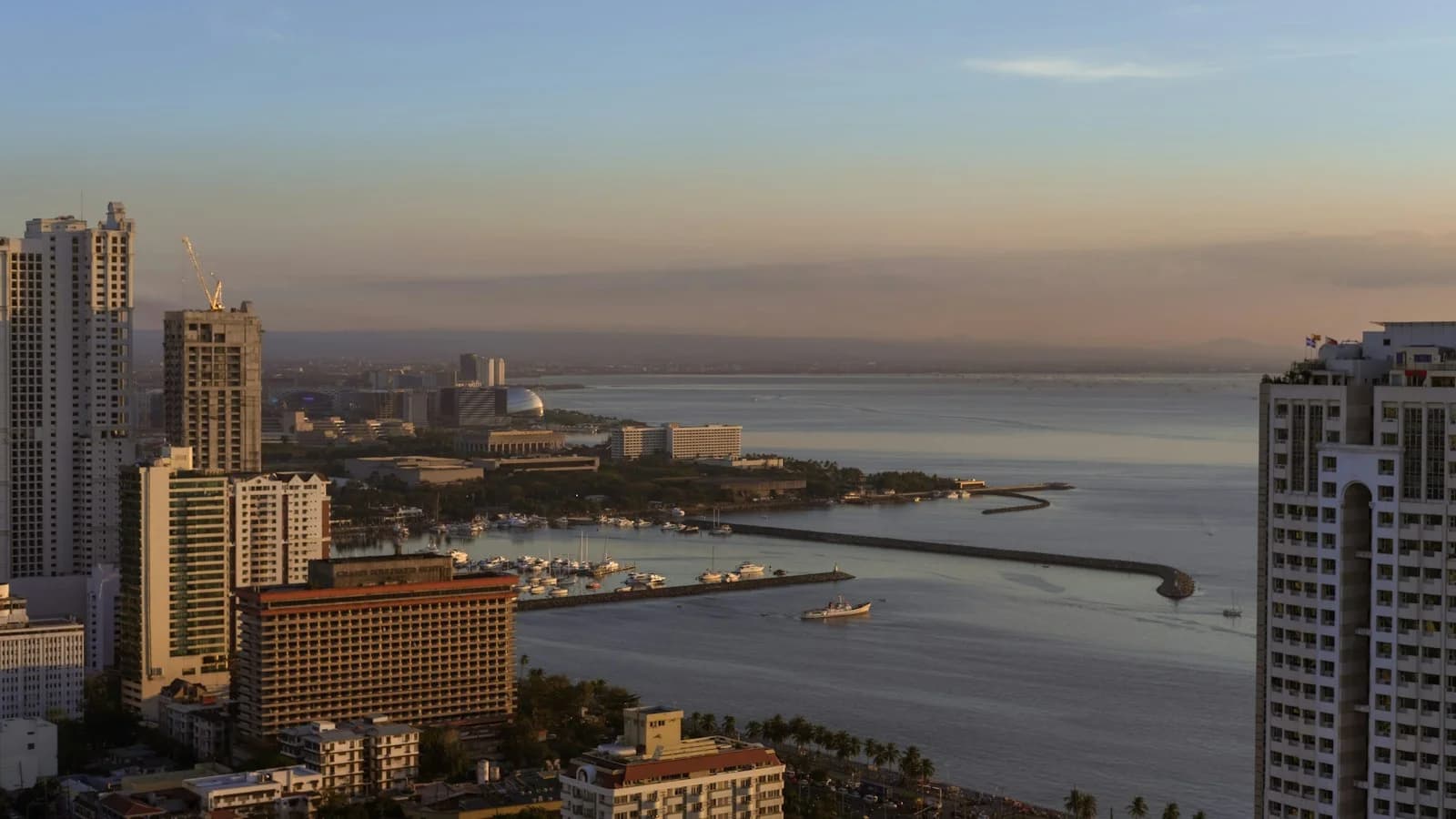
US President Donald Trump said on Wednesday, 18 November, that Washington had wrapped up what he called a "very big trade deal" with the Philippines, but neither government released any terms and Manila's own account of the talks stopped well short of describing a trade agreement.
Trump made the remark at a state luncheon at Malacañang Palace in Manila, hosted by President Ferdinand Marcos Jr., before flying on to China. According to Reuters, he told guests it was "the biggest trade deal we've ever made" and gave no further details.
What Trump said
UPI reported that Trump described the arrangement as "a fair deal for both countries" and said it had come together unexpectedly. "We didn't know it was going to take place, but it took place very quickly," he said, according to UPI.
In a post on Truth Social, Trump said the deal would be good for American farmers and for the energy sector, Reuters and The Epoch Times reported. The Epoch Times said he called it "a true landmark" in the post.
The Epoch Times also reported that Trump said the Philippines could join a planned natural gas export project in Alaska, and that he spoke of possibly doing "something very big" on nuclear power as the country works on its first modern nuclear plant. No details were given on either point.
Manila's narrower version
The Philippine presidential office said the two sides had reached an understanding on areas of economic cooperation and that trade representatives would work to turn the commitments into concrete initiatives, Reuters reported. The statement did not mention a trade deal.
The Philippine ambassador to the United States, Jose Manuel "Babes" Romualdez, said the US had offered to help the country diversify its food supply and energy sources. Asked by reporters whether anything had been signed, he replied: "None," according to Reuters.
GMA News reported that Marcos spoke of continuing cooperation in trade, investment, energy, technology, supply chains and education, and that the bilateral meeting also covered national security. At the lunch, Marcos called the US "a trusted friend, a steadfast partner, and an enduring ally", The Epoch Times reported.
The tariff question
The Philippines currently faces an additional 12.5% US tariff that took effect on 24 July 2026 over alleged forced-labour import restrictions, the Daily Tribune reported. As of Wednesday afternoon there was no confirmation that the new understanding changes or removes that duty, the paper said.
Neither country's published schedule for the visit had listed trade negotiations, according to Reuters.
Part of a wider Asia push
Trump was in Manila on 17 and 18 November for the 49th ASEAN Summit and related meetings. On Tuesday he said Thailand would scrap all tariffs and substantial non-tariff barriers on US imports under a deal expected to be finalised in the coming weeks, Reuters reported.
The Daily Tribune reported that Philippine Finance Secretary Frederick Go used the summit to call for regional cooperation so that Southeast Asia could attract investment in artificial intelligence, saying the region needed to act as "one integrated market".
GMA News said the visit drew protests from several groups, mainly over a proposed initiative called Pax Silica.
What happens next
With nothing signed, the substance of the arrangement will depend on follow-up work by trade officials, who Marcos's office said would turn the commitments into specific initiatives. Any relief on the 12.5% tariff had not been confirmed in reports as of Wednesday, according to the Daily Tribune.
Air Force One left Manila at about 2:30 pm local time for Shenzhen, according to UPI.