The giant data centres that power cloud computing and artificial intelligence in the United States consumed between 68 and 99 terawatt-hours of electricity in a single year and were responsible for about 25.7 million metric tons of carbon dioxide, according to a study published on Monday, 16 November 2026, in the journal Nature Sustainability.
The research, led by scientists at the Harvard T.H. Chan School of Public Health, found that more than half of that electricity came from fossil fuels. The school, in a statement, said the emissions figure is two to three times an earlier estimate made in 2018.
What the researchers did
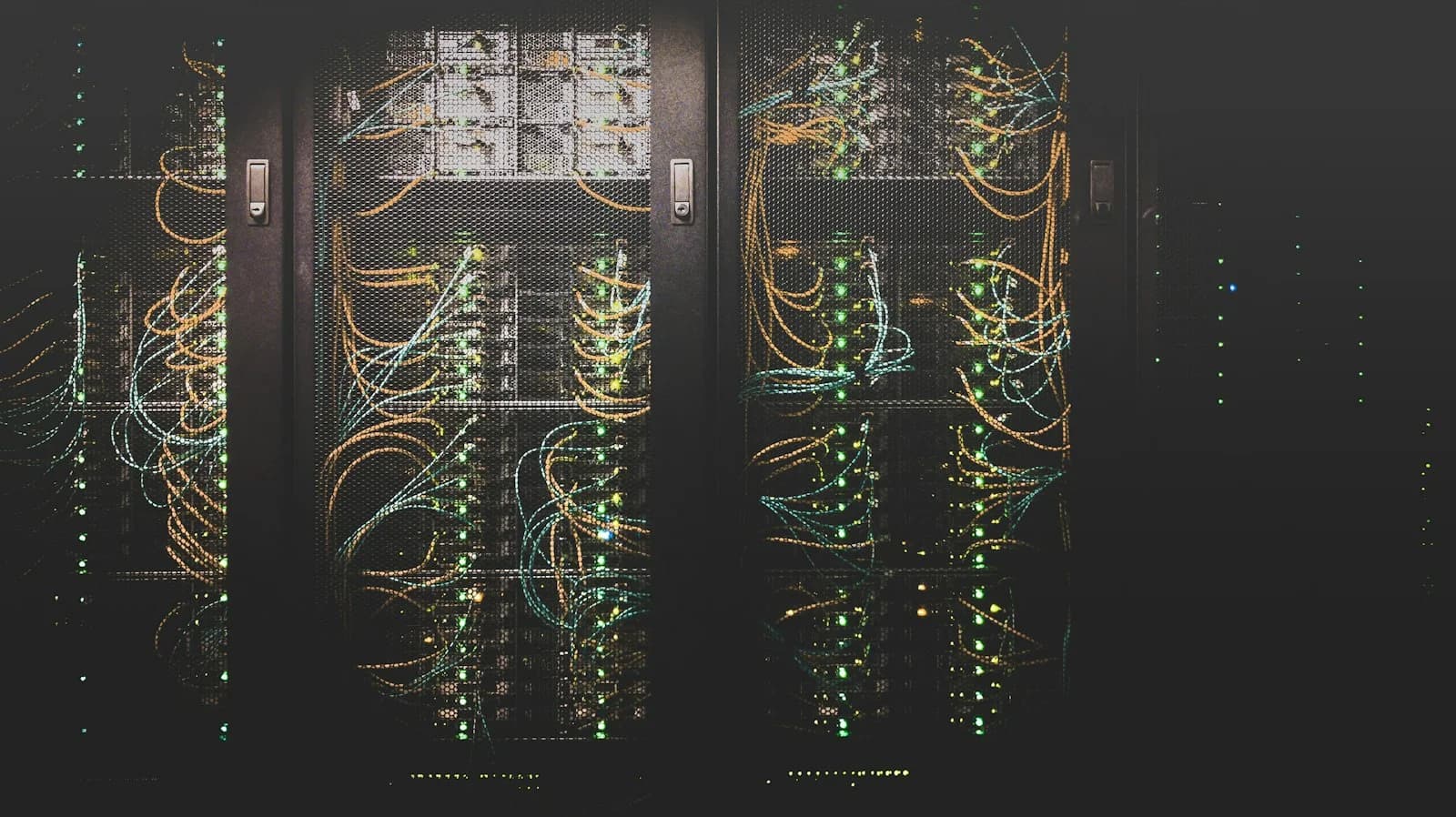
Hyperscale data centres are the largest facilities of their kind. They support cloud services, the training of AI models and the running of AI tools. According to the school, the team used satellite imagery to identify 403 such facilities across the US.
For each one, the researchers estimated annual electricity use between May 2024 and April 2025 under a range of operating scenarios, which is why the result is a band rather than a single number. They then worked out the carbon dioxide emissions linked to that power, using US Environmental Protection Agency data on the mix of power plants feeding each facility's regional grid.
Key findings
- Electricity: 68 to 99 terawatt-hours, depending on how intensively the centres were run. The school said the upper estimate comes close to the annual electricity use of a US state such as Indiana, Michigan or Tennessee.
- Share of national demand: about 1.8% of total US electricity consumption in the study period.
- Emissions: about 25.7 million metric tons of carbon dioxide.
- Fuel mix: about 54% of the electricity was generated from fossil fuels, with natural gas accounting for 38% and coal for 15%.
- Dirtier grids: around a quarter of the electricity was drawn from grid regions that are more polluting than the national average.
- Concentration: four states, Virginia, Oregon, Ohio and Iowa, together accounted for more than half of the electricity use examined.
'Only a snapshot'
Lead author Gianluca Guidi, a postdoctoral fellow in the school's Department of Biostatistics, said in the statement: "What we're seeing is already striking, but it's only a snapshot of a rapidly expanding industry."
The researchers believe present-day demand and emissions are probably higher than their figures, the school said, because construction and expansion of data centres continued after April 2025, when the study window closed.
The health question
The study measured electricity and carbon emissions, not health effects. But corresponding author Francesca Dominici, a professor of biostatistics, population and data science at Harvard and director of the Harvard Data Science Initiative, pointed out that carbon dioxide drives climate change, which affects health through heat waves, wildfire smoke and flooding.
The school's statement added that power plants on these regional grids also release fine particulate matter, nitrogen oxides and sulphur dioxide, pollutants linked to heart and lung disease and premature death. People living near those plants may bear that cost even if the data centres themselves are far away. "Quantifying health impacts is an important next step," Dominici said.
Limits of the study
The school's statement lists some gaps. Available data was not sufficient to cover every hyperscale data centre in the US. The data also could not separate general-purpose computing from AI-specific operations, so the study cannot say how much of the electricity went to AI alone.
The paper is titled "Assessing the Carbon Emissions and Energy Consumption of US Hyperscale Data Centers". The work was funded by US National Institutes of Health grants, including from the National Institute of Environmental Health Sciences and the National Institute on Aging, the school said.
What next
The team plans to quantify the health impacts of the pollution associated with powering these facilities, according to the statement.