Mining giant Rio Tinto has agreed to contribute US$250 million to a new fund to begin addressing the environmental and social damage left by the Panguna copper and gold mine on Bougainville, Papua New Guinea, a site it has not operated since 1989. The fund is being set up by Rio Tinto, Bougainville Copper Limited (BCL) and the Autonomous Bougainville Government (ABG), according to a statement published by the Australia-based Human Rights Law Centre (HRLC) on 16 November.
What the fund will do
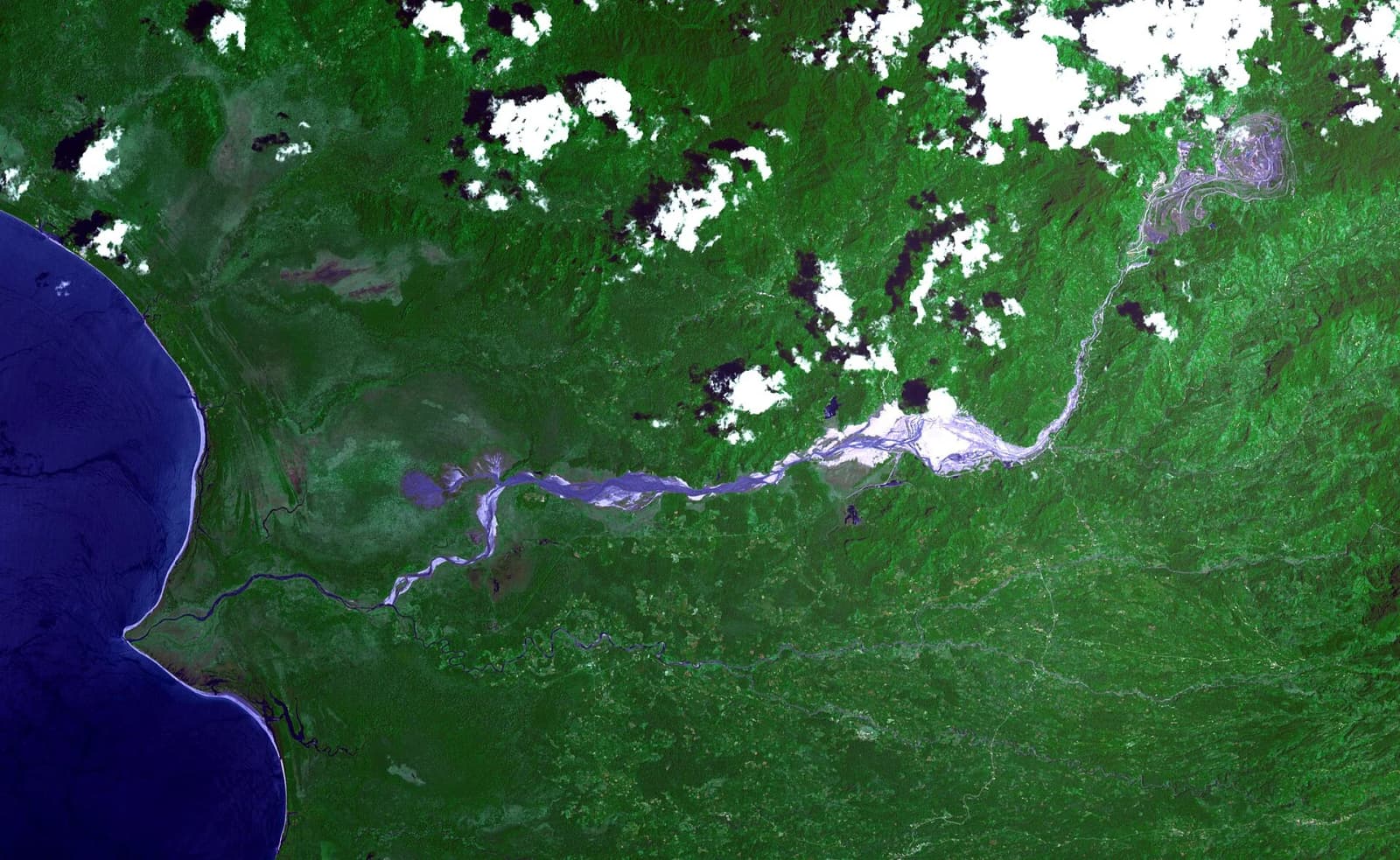
According to the statement, the money is a voluntary contribution and will respond to impacts identified by the Panguna Mine Legacy Impact Assessment, an independent study published in December 2024. It will cover impacts in the river and delta areas and pay for social programmes across all affected areas, including the mine, port and town sites.
The fund's structure, governance and delivery arrangements have not yet been settled and are to be worked out with communities, the ABG, BCL and Rio Tinto, the statement said. It added that the fund is separate from any decision on redeveloping the mine, which rests with the Bougainville government and people.
Some work is already under way, the statement said, including replacing ageing infrastructure that poses severe risks, removing hazardous materials from the Loloho port area, building bridges and flood-protection measures, and a multi-year water and sanitation project.
'No amount of money will restore the damage'
Theonila Roka Matbob, a Panguna community leader and former Bougainville minister who was the lead complainant in the human rights complaint that led to the assessment, told The Guardian the fund was a vital contribution towards repairing the "devastation left by the Panguna mine".
"No amount of money will restore the damage caused to the environment in Panguna, but this sets a foundation for us to invest in addressing the environmental issues and invest in our children's futures as well," she told The Guardian.
Bougainville President Ishmael Toroama said in the statement that the fund "represents an important step forward and an opportunity to deliver lasting benefits for communities". Rio Tinto's chief safety and technical officer, Mark Davies, said: "Community engagement is an important next step to identify priorities."
HRLC legal director Keren Adams said the funding "creates a real opportunity to now address an environmental disaster that has remained unresolved for decades", The Guardian reported. The newspaper added that US$250 million will not be enough to remediate the site fully.
A mine that triggered a civil war
Panguna was once among the world's most profitable copper and gold mines. The Guardian reported that it shut in 1989 after protests over environmental damage and the sharing of profits grew into a civil war on Bougainville that lasted a decade. The pit and its waste remain, with rubble at risk of collapse and polluted rivers running blue, the newspaper said. Rio Tinto divested its 53.8% stake in BCL in 2016, according to the HRLC statement.
The complaint behind the assessment was brought by local communities represented by the HRLC. The December 2024 assessment was overseen by a committee that includes the Papua New Guinea government, the ABG, landowners, BCL, Rio Tinto and the HRLC.
The India link and what comes next
The Guardian reported that Bougainvilleans voted 97.7% for independence in a 2019 referendum and that many, including President Toroama, see restarting Panguna as the financial basis for an independent future. According to the newspaper, Indian miner Lloyds has been granted a 25-year large-scale mining lease, though any new mining is years away.
The next step, according to the statement, is consultation with affected communities to set priorities, after which the fund's governance will be finalised.