
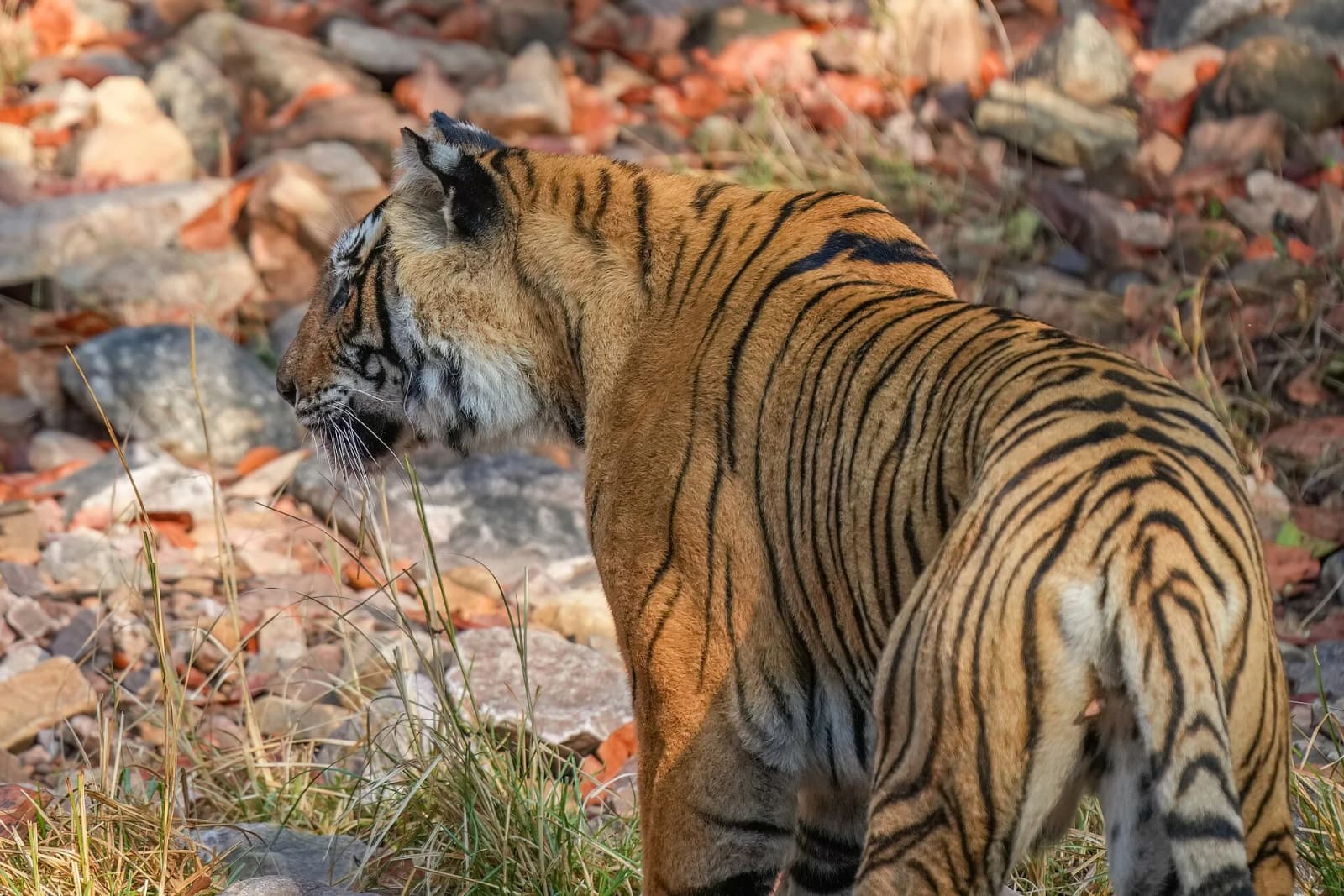
Protecting big cats is also a way of protecting the forests, grasslands and wetlands that store carbon, Union Environment Minister Bhupender Yadav told a ministerial side event at the UN climate conference COP31 in Antalya, Türkiye, on Monday, 16 November 2026, according to a statement from the Environment Ministry.
The event, titled "BIG CATS: Drivers of Climate Change Mitigation", was organised jointly by the Ministry of Environment, Forest and Climate Change and the International Big Cat Alliance (IBCA). The ministry said ministers and representatives from the big cat range countries Nepal, Venezuela, Cambodia and Sri Lanka took part, along with representatives of bodies such as the Ramsar Convention and the UN Convention to Combat Desertification.
The argument: big cats as "umbrella species"
According to the ministry, Yadav said big cats may not capture carbon themselves, but conserving them helps protect forests, grasslands, wetlands and mountain ecosystems that do, prevents emissions from habitat degradation and makes landscapes more resilient to climate change. As umbrella species, he said, big cats help bring protection to entire ecosystems, benefiting thousands of other species and the communities that depend on them.
He said wildlife conservation must be an integral part of nature-based climate action, complementing efforts to cut emissions, the statement added.
India's tiger numbers cited
Yadav presented India's tiger programme as an example. The figures he cited, as given in the ministry's release:
- 58 tiger reserves covering about 85,000 sq km
- More than 600 rivers originate in or flow through these landscapes
- A tiger population of 3,682 in 2022, more than 70% of the world's wild tigers
- About 6 million man-days of livelihood generated every year by Project Tiger
He attributed the results to sustained political commitment, strong legislation and institutions, naming Project Tiger, the Wildlife (Protection) Act, 1972 and the National Tiger Conservation Authority, a statutory body. Central and state budget support, frontline forest staff, technology-based monitoring and community involvement were also credited.
Role of the International Big Cat Alliance
The minister said the IBCA offers a platform to share India's conservation models, exchange knowledge and build capacity for the recovery of all seven big cat species worldwide. IBCA Director General S.P. Yadav made a presentation on the alliance and the status of big cats in range countries, the ministry said.
In a post on X quoted in the release, Bhupender Yadav said participants appreciated India's efforts in big cat conservation, "especially cheetah reintroduction".
What is not in the statement
The release describes a side event and the positions India put forward there. It does not mention any agreement, funding commitment or formal COP31 decision arising from the discussion.
PS · Giles Laurent, CC BY-SA 4.0