Shares of India's listed digital payment companies fell sharply in Mumbai on 19 November 2026 after media reports said the government may push back the planned merchant charge on large UPI payments until after the 2027 Assembly elections. One 97 Communications, which runs Paytm, closed 8.51% lower at ₹1,727.70, MobiKwik Systems fell 8.06% to ₹208.25 and Pine Labs dropped 4.79% to ₹161.15, Outlook Money reported.
The fall followed a Financial Express report, citing industry sources, that the government is considering deferring the merchant discount rate (MDR) on select UPI transactions because of possible opposition from merchants and trade bodies. Neither the government, the Reserve Bank of India (RBI) nor the National Payments Corporation of India (NPCI) has announced a new date, and none of the three companies had commented on the report.
What is the proposed UPI charge?
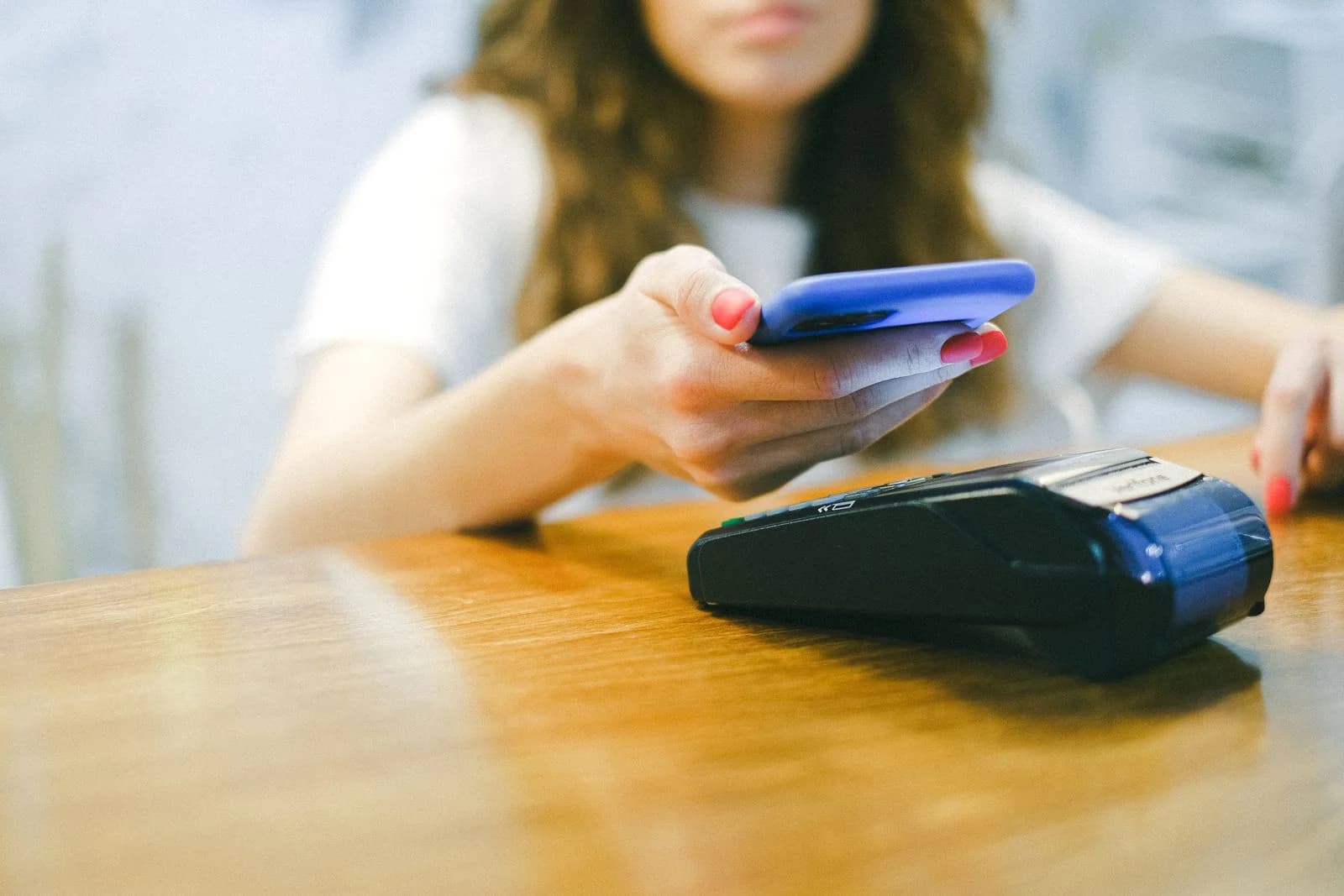
It is a fee that merchants, not customers, would pay on larger UPI purchases. The proposal is an MDR of 0.40% on eligible person-to-merchant (P2M) payments above ₹2,000, capped at ₹300 a transaction, according to the framework reported when NPCI deferred it. Payments of up to ₹2,000, all person-to-person transfers and eligible small merchants would stay free. Railways, telecom, insurance and fuel payments above ₹2,000 would carry a flat ₹5 charge instead of the percentage fee, and merchants are not allowed to pass the charge on to buyers.
UPI payments have carried no MDR since 1 January 2020. Finance Minister Nirmala Sitharaman has told Parliament the proposed charge is not a tax or a cess, will not go to the government and is not meant to be borne by consumers.
Why has the rollout already slipped?
- The charge was due to start on 15 October 2026.
- On 13 October, NPCI's UPI and Services Steering Committee put it off until "immediately after Diwali", citing the festive season, and said a revised date would be announced separately. No date has been notified since.
- The new report says the delay could stretch past Assembly polls due in the first half of 2027 in Uttar Pradesh, Punjab, Uttarakhand, Goa and Manipur. A senior industry official quoted in the report called a deferral until after the Uttar Pradesh election the worst case, Outlook Money said.
Why it matters for payment firms and merchants
Payment companies argue that a zero-fee UPI does not cover the cost of running the network. In a counter affidavit filed in the Supreme Court on 3 November, NPCI put the industry's operating cost at ₹20,700 crore against a ₹2,000 crore budget allocation for 2026-27 to offset zero MDR, and said about 96% of all merchant payments would remain free under the new rules, Indian Startup News reported.
Paytm told investors in its September-quarter disclosures that the MDR could lift its payments processing margin by about 2.5 basis points on its current mix, with the effect settling over two to three quarters after launch. Any further delay pushes that gain back. The Payments Council of India has made repeated representations to the Finance Ministry and NPCI seeking clarity, and the industry has flagged government incentives for UPI and RuPay debit card payments that it says have been unpaid for more than 18 months.
For small shopkeepers, nothing changes for now: UPI payments remain free for both buyers and merchants until a start date is notified.
What is confirmed and what is not
Confirmed: the 13 October deferral by NPCI, the proposed 0.40% rate and ₹2,000 threshold, and the share price falls on 19 November.
Not confirmed: any decision to delay the charge until after the 2027 elections. That rests on a media report citing unnamed industry sources, and no official body has confirmed it.
What happens next
NPCI has already set up the UPI Vyapaar Saksham scheme, announced on 11 November, to spend part of the MDR on QR codes and soundboxes for small merchants in smaller towns, but it starts only when the charge does. Investors will watch for an NPCI circular with a firm date.