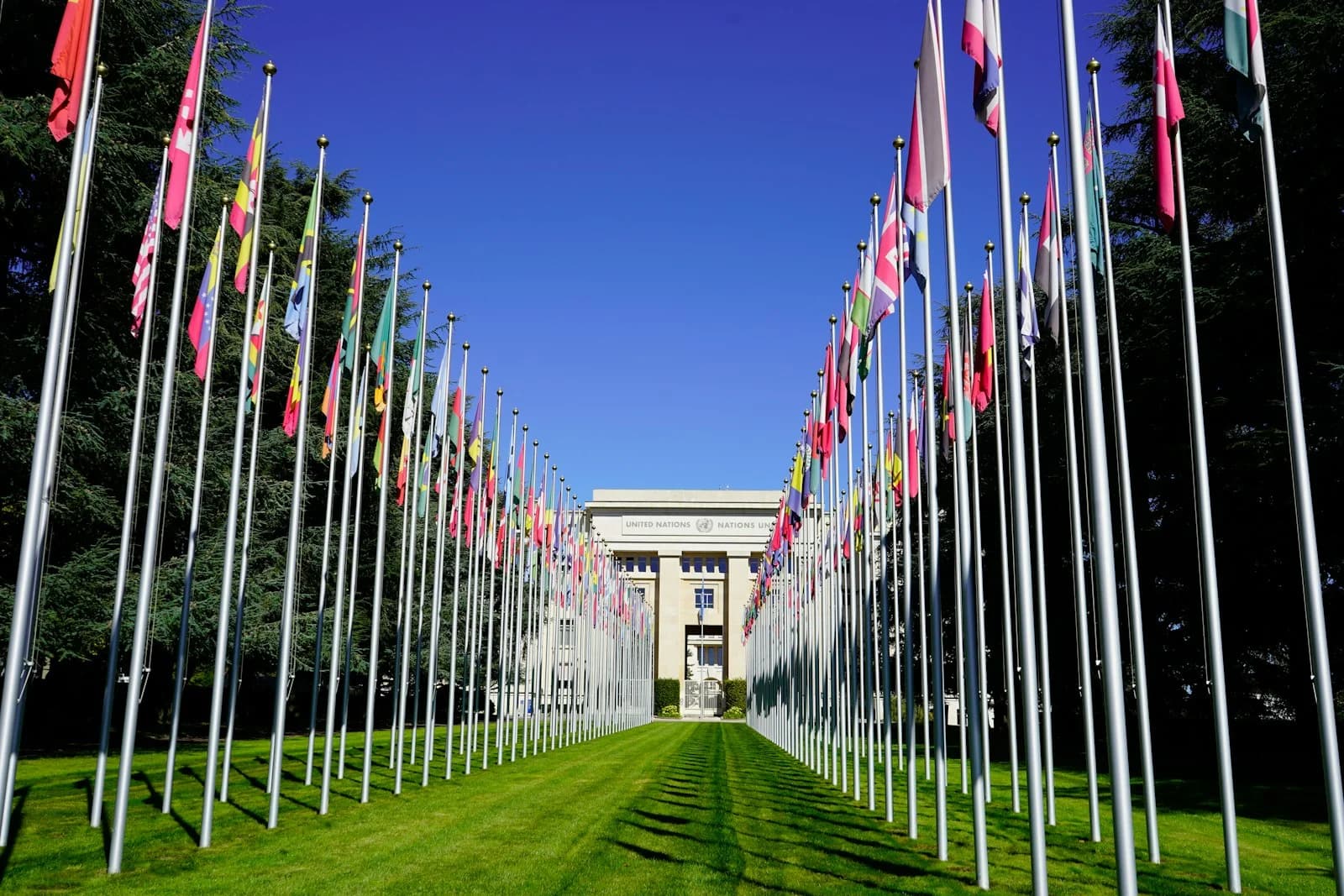
The UN Security Council on Friday, 13 November, extended the mandate of the UN Interim Security Force for Abyei (UNISFA) for another year, adopting resolution 2838 (2026), according to the UN's meetings coverage. The renewal keeps peacekeepers in the disputed territory between Sudan and South Sudan until 15 November 2027, at a time when the war in Sudan is spilling into the area and drone strikes have added a new threat.
What the renewal covers
Abyei is an oil-rich border area claimed by both Sudan and South Sudan, whose final status was left unresolved when South Sudan became independent in 2011. UNISFA has been deployed there since 2011 and also supports the Joint Border Verification and Monitoring Mechanism along the wider frontier between the two countries.
According to the independent monitor Security Council Report, the draft put to a vote, prepared by the United States, kept the authorised ceilings at 3,250 troops and 640 police, with an intention to reduce police numbers once a local Abyei Police Service becomes operational. The draft added negotiations on Abyei's final status as a sixth benchmark that Sudan and South Sudan are expected to make "demonstrable progress" on, alongside existing conditions such as a joint police service and full demilitarisation of the area. MAP MY TIMES has not reviewed the final adopted text, so details may differ from the draft.
The draft also demanded that Sudan's paramilitary Rapid Support Forces (RSF) withdraw from Abyei and stop interfering in local community structures and joint institutions, and stated that the RSF has no authority to appoint representatives to those bodies. It called for South Sudanese forces to leave southern Abyei and asked Sudanese authorities to ensure the Sudanese army refrains from military operations in the area.
Divisions in the Council
Security Council Report said the main dispute during negotiations was whether the mission's continuation should be tied to political progress by the two governments. The three African members, China and Russia opposed a strict link, citing security conditions and the need to protect civilians; the compromise text kept the link but added flexibility. The final vote count was not available in the material reviewed for this report.
A worsening security picture
The renewal comes amid rising violence. Drone strikes on a UNISFA logistics base at Kadugli in December 2025 killed six peacekeepers and injured nine others; Sudan blamed the RSF, which denied responsibility. Drone attacks near the Amiet market and Todach on 19 October 2026 reportedly killed at least 150 people, prompting a Council press statement on 23 October. At a briefing on 5 November, UN peacekeeping chief Jean-Pierre Lacroix described the drone strikes as a new and concerning dimension of the security situation, according to Security Council Report.
The draft demanded an investigation into the Kadugli strikes and added language on threats posed by unmanned aerial vehicles. It also set timelines for deploying the mission's first Formed Police Unit and a civilian Deputy Head of Mission.
India's connection
India is one of the largest contributors to UN peacekeeping and has deployed personnel to UNISFA; in early 2023 India sent a platoon of women peacekeepers to Abyei as part of its contingent, its largest single unit of women peacekeepers in a UN mission since Liberia. The safety of peacekeepers in increasingly volatile missions has been a recurring concern raised by India at the UN. MAP MY TIMES could not independently confirm the current size of the Indian contingent in Abyei.
What happens next
Under the draft, the Secretary-General is to submit written reports by 15 May and 15 October 2027, with the October report assessing progress on the benchmarks and the security implications of any withdrawal or reconfiguration before the next renewal decision.