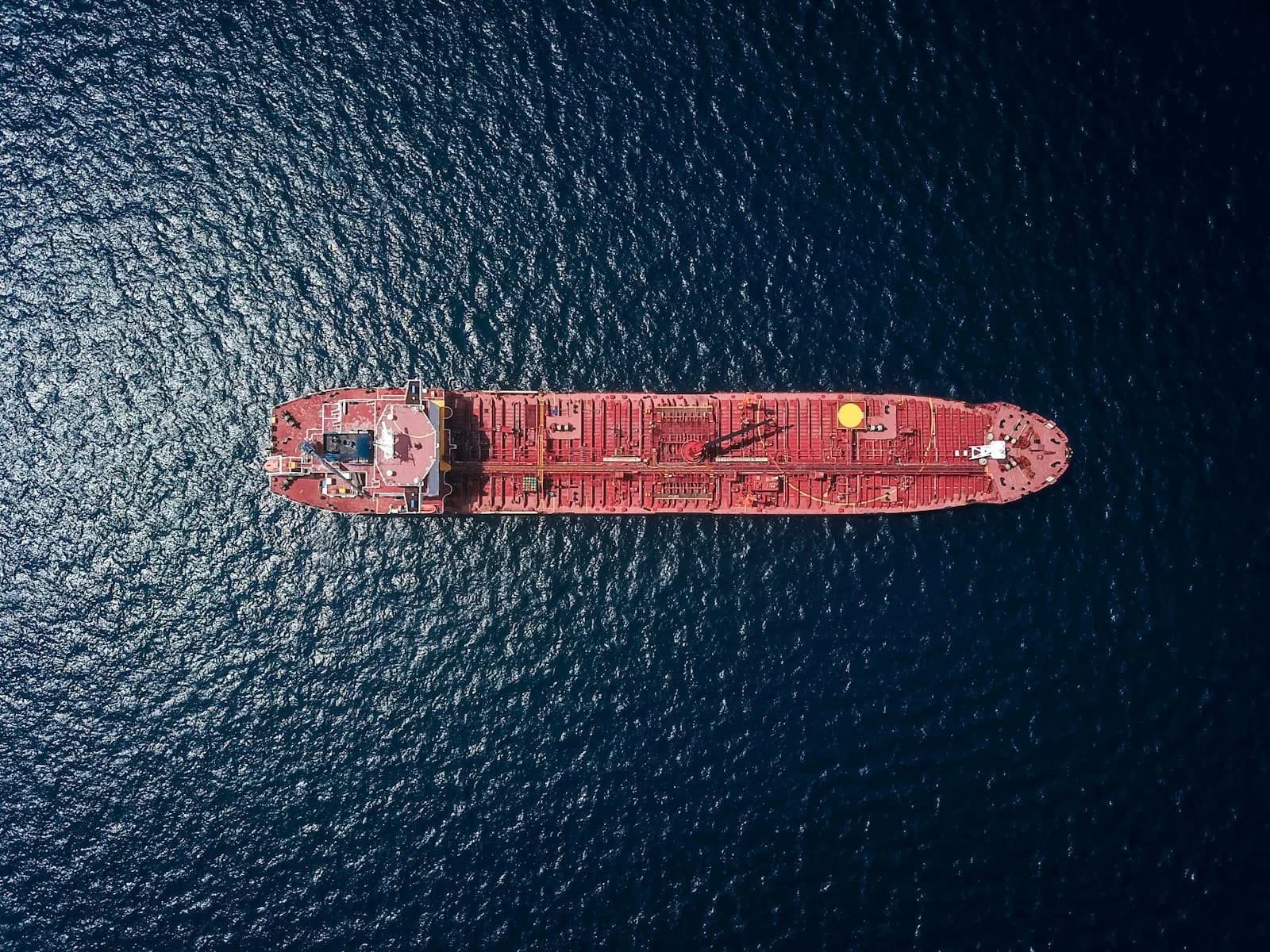
The UN Security Council met in New York on Friday, 13 November, at Bahrain's request to discuss growing threats to shipping and regional security in the Gulf, nearly nine months after Israeli and US strikes on Iran set off a wider war in the region. The session gave the Gulf Arab states a platform to press for action against Iran, while the UN's own summary described the meeting as hearing competing Gulf and Iranian accounts of what is driving the insecurity at sea.
What the Gulf states told the Council
The main briefer was Jasem Mohamed Albudaiwi, Secretary-General of the Gulf Cooperation Council (GCC). According to reporting on his remarks, he told members that Iran had launched more than 7,000 missiles and drones at GCC states since 28 February, hitting airports, ports, oil and gas facilities, power and desalination plants and residential areas across all six member countries. He said the GCC holds Tehran fully responsible and rejected Iran's justifications, arguing that the countries targeted were not parties to the war.
Albudaiwi asked the Council to secure an end to attacks by Iran and by Yemen's Houthi movement, enforce the existing arms embargo on the Houthis, restore shipping conditions in the Strait of Hormuz to what they were before 28 February, and hold Iran accountable, including through compensation. He rejected any attempt to close the strait or to impose restrictions or transit fees on international shipping, and warned that disruption in Hormuz had become a humanitarian problem as fertiliser and ammonia supplies dwindle, raising the risk of hunger in poorer countries.
A UN Assistant Secretary-General, Mohamed Khaled Khiari, was also listed to brief the Council. Iran's detailed response at the meeting was not available in the material MAP MY TIMES was able to review, and this report will not characterise it beyond the UN's description of a competing Iranian account.
How the crisis reached this point
The conflict began on 28 February, when Israel and the United States struck Iranian targets. Iran retaliated against US military assets and other targets in Bahrain, Kuwait, Oman, Qatar, Saudi Arabia, the UAE and Jordan, and has since all but closed the Strait of Hormuz, which before the war carried about a fifth of the world's oil, according to UN News.
In March the Council adopted resolution 2817, drafted by Bahrain, which condemned Iran's attacks and any moves to obstruct navigation through Hormuz or threaten the Bab al-Mandab strait. China and Russia abstained. A later Bahraini draft on securing navigation in Hormuz was vetoed by China and Russia in April, according to the independent monitor Security Council Report.
A US-Iran understanding mediated by Pakistan in June brought a 60-day ceasefire, but it lapsed in August without a peace deal, and fighting has continued at a lower intensity. UN News, citing UK Maritime Trade Operations, said transits through Hormuz are about 65 per cent below pre-conflict levels and that October saw more incidents than any other month since the war began. Traffic through Bab al-Mandab is down by roughly a quarter since the Houthis declared a blockade on Saudi-linked shipping in July.
A divided Council
Council members share concern over freedom of navigation but remain split on the causes of the crisis. Bahrain, the United States and European members have backed full compliance with resolution 2817, while Russia and China have blamed the US and Israel for starting the war; Russia has argued that focusing on Iran's conduct in Hormuz confuses cause and effect, and China has called for a ceasefire and dialogue between the Gulf states and Iran. Qatar has been mediating indirect talks, but no agreement has been announced.
Why it matters for India
India depends heavily on Gulf energy supplies and on sea lanes through Hormuz for its crude oil, gas and fertiliser imports, and millions of Indian nationals live and work in GCC countries. Any prolonged disruption to shipping in the Gulf feeds directly into fuel and food prices at home and into the safety of the Indian diaspora in the region. India has not been a party to the Council's deliberations, as it is not currently a member.
What happens next
No new resolution was put to a vote at Friday's briefing. The Gulf states are expected to keep pressing for implementation of resolution 2817, while diplomatic efforts led by Qatar continue. Whether a renewed ceasefire can be reached, and whether shipping through Hormuz can recover, remains unclear.