At least 64 children have been killed and 64 injured in Yemen since fighting between the Houthis and government forces escalated on 3 September, the UN Children's Fund (UNICEF) said in New York on 18 November 2026. In its statement, the agency warned the toll was likely to rise as fighting continues near densely populated areas, especially in Taiz and Lahj governorates in the south-west of the country.
"The rising number of children killed and injured in Yemen is devastating. It must stop," UNICEF Executive Director Catherine Russell said. She called on all parties to "comply with their obligations under international law" and said: "We urgently need safe and unimpeded humanitarian access."
How many people have been displaced?
More than 330,000 people, including an estimated 174,000 children, have been forced from their homes since the renewed fighting began, according to UNICEF. Many families are sheltering in unfinished or damaged buildings and are struggling to get food, safe water and health care. The agency said overcrowded displacement sites, too few latrines and limited safe water are raising the risk of disease.
Schools and clinics hit
UNICEF said at least seven schools and 28 health facilities have been damaged since the escalation began, five of them supported by the agency. On 2 November, an attack on the UNICEF-supported Al-Suqyah Health Centre in Lahj, which serves about 1,700 people, reportedly killed five people, three of them health workers. More than 1,160 schools have closed or suspended classes, affecting over half a million students.
About one in three children recently screened by UNICEF mobile health teams was acutely malnourished, the agency said.
What is happening in Taiz?
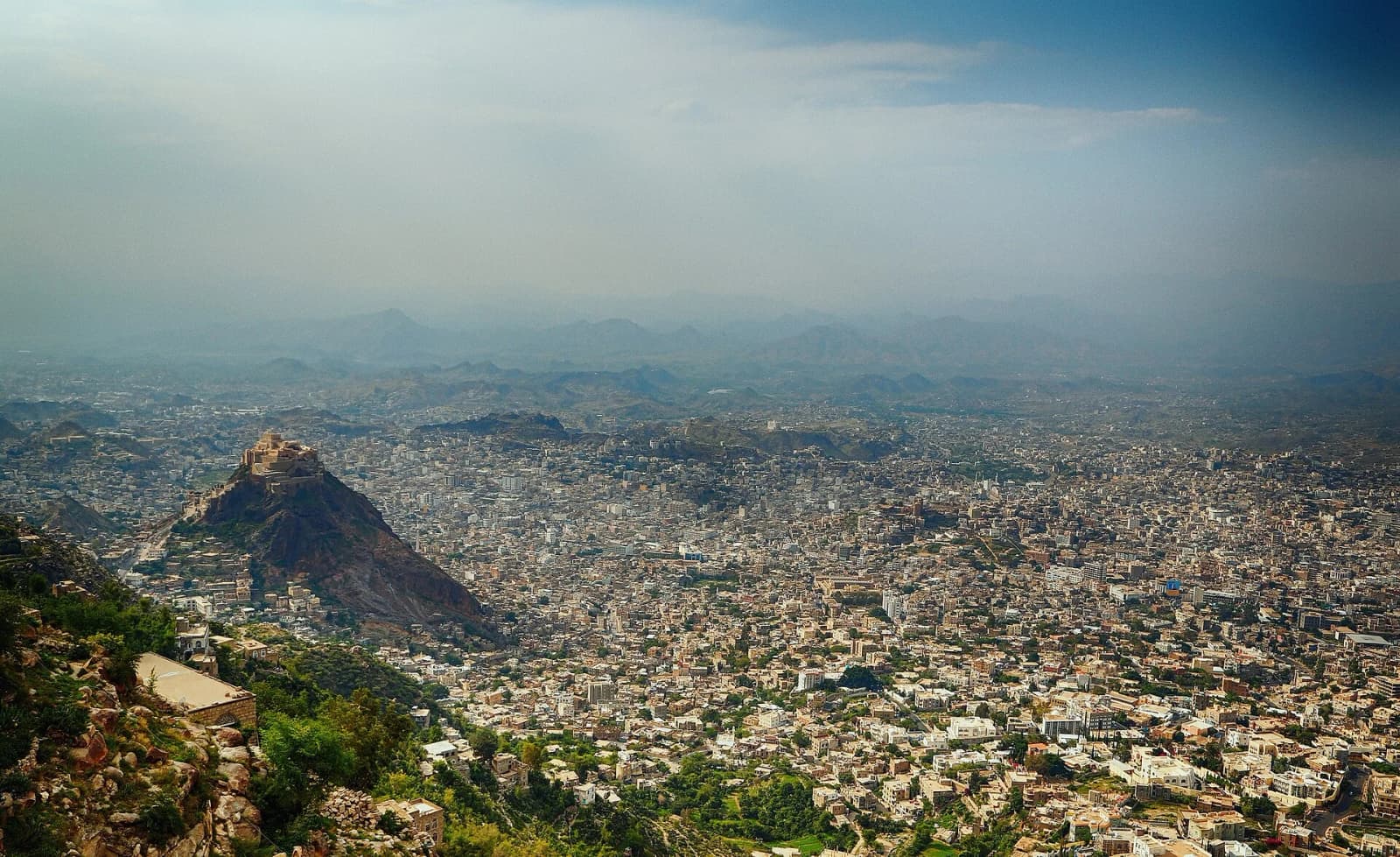
The main road from Aden to Taiz city is closed and other routes are insecure, UNICEF said. As of late October, more than 800,000 people in the city were reported to have no access to humanitarian aid. Water production has fallen by nearly half, food and fuel prices have more than doubled, and shortages of medicines, fuel, medical oxygen and electricity are threatening emergency, maternal and newborn care.
Why the fighting matters
The renewed hostilities between the Houthis, also known as Ansar Allah, and government forces backed by a Saudi-led coalition ended a four-year UN-brokered truce, UN News reported. It said Houthi forces were reportedly about 60 kilometres from Aden, the city where the government is based. MapMyTimes has earlier explained the Houthi push towards Aden, and Yemen's parliament has backed a bill to designate the Houthis a terrorist organisation.
What is UNICEF doing?
UNICEF said it is expanding its emergency response to reach up to 560,000 people. It is redeploying mobile health and nutrition teams to displacement sites and affected communities in Aden, Lahj, Abyan, Marib and Taiz, scaling up emergency water and sanitation support, and providing psychosocial care and case management, including for children who are unaccompanied or separated from their families.
What is still unclear
UNICEF's figures are those reported to and verified by the agency, and it expects them to rise. The statement did not give a breakdown of which side was responsible for the child casualties, and it did not include a funding appeal. The UN News summary of the release gave a lower target of 350,000 people for the expanded response; the figure here is from UNICEF's own statement.
Photo source · أنس الحاج (Anas Alhajj), CC BY-SA 2.0