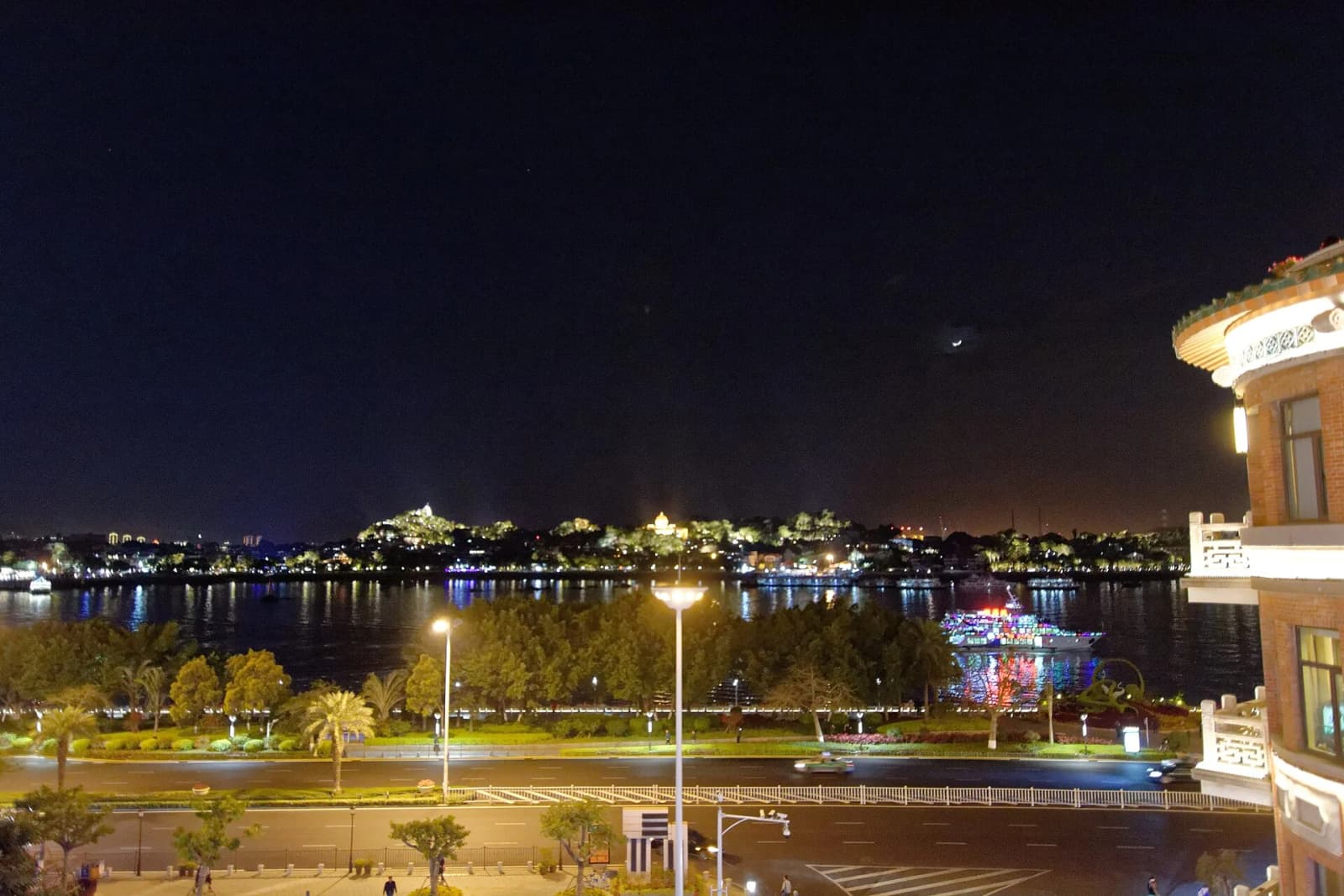
The United Nations Educational, Scientific and Cultural Organization (UNESCO) committee that decides which living traditions join its intangible heritage lists will open its annual meeting in Xiamen, a coastal city in China's Fujian province, this weekend, with 64 nominations submitted by 82 countries on the table. An opening event is set for 29 November 2026, and the working session runs from 30 November to 5 December 2026.
The gathering is the 21st session of the Intergovernmental Committee for the Safeguarding of the Intangible Cultural Heritage, the body that oversees the 2003 UNESCO convention on living heritage. UNESCO said in its preview of the session that the meeting will be built around the theme of "harmonious well-being", presenting heritage as something that supports physical and mental health and balanced relationships with nature.
What will the committee examine?
The committee will examine 59 nominations for the Representative List of the Intangible Cultural Heritage of Humanity, including five requests to extend existing entries, and four nominations for the List of Intangible Cultural Heritage in Need of Urgent Safeguarding. It will also consider one request to move an element from the urgent list to the Representative List. According to the session page on UNESCO's intangible heritage website, the agenda also includes 21 reports from countries on elements already on the urgent list. UNESCO's provisional schedule places the inscription decisions between 1 and 3 December.
UNESCO noted that 18 of the files are multinational nominations, counting extension requests, which it said is twice the number seen in 2025.
Which traditions are in contention?
Among the files highlighted by UNESCO are Chinese cuisine, described as the knowledge and practices around preparing and enjoying food, and traditional felt making, a joint bid by Azerbaijan, Iran, Kazakhstan, Kyrgyzstan, Mongolia, Tajikistan, Türkiye and Uzbekistan. Others include road tennis, a street sport from Barbados dating to the early 20th century; the Basotho hat (Moliea-Nyeoe), a conical grass-woven hat from Lesotho; Saint Barbara's celebrations and traditions of miners, nominated by Poland, Austria and Luxembourg; and the Jota, a Spanish music and dance genre that dates to the 18th century.
Four African countries, Eswatini, Lesotho, South Sudan and the United Republic of Tanzania, could see their first element inscribed, UNESCO said. Barbados is a Small Island Developing State, a group UNESCO treats as a priority.
Why is Xiamen hosting?
The committee picked Xiamen at its previous session in New Delhi, India. China's state news agency Xinhua reported that the decision was taken on 12 December 2025 during the 20th session. The committee meets once a year.
What happens next?
UNESCO said the proceedings will be streamed live on its intangible heritage website, with real-time updates on new inscriptions. Its preview did not list any Indian nomination among the files highlighted, and MapMyTimes has not independently confirmed whether India has a file under review this cycle.
The meeting comes as heritage diplomacy stays busy in the region, after the first SCO Civilisational Dialogue Forum adopted a communique on cultural heritage earlier this week.
Photo source · Slyronit, CC BY-SA 4.0