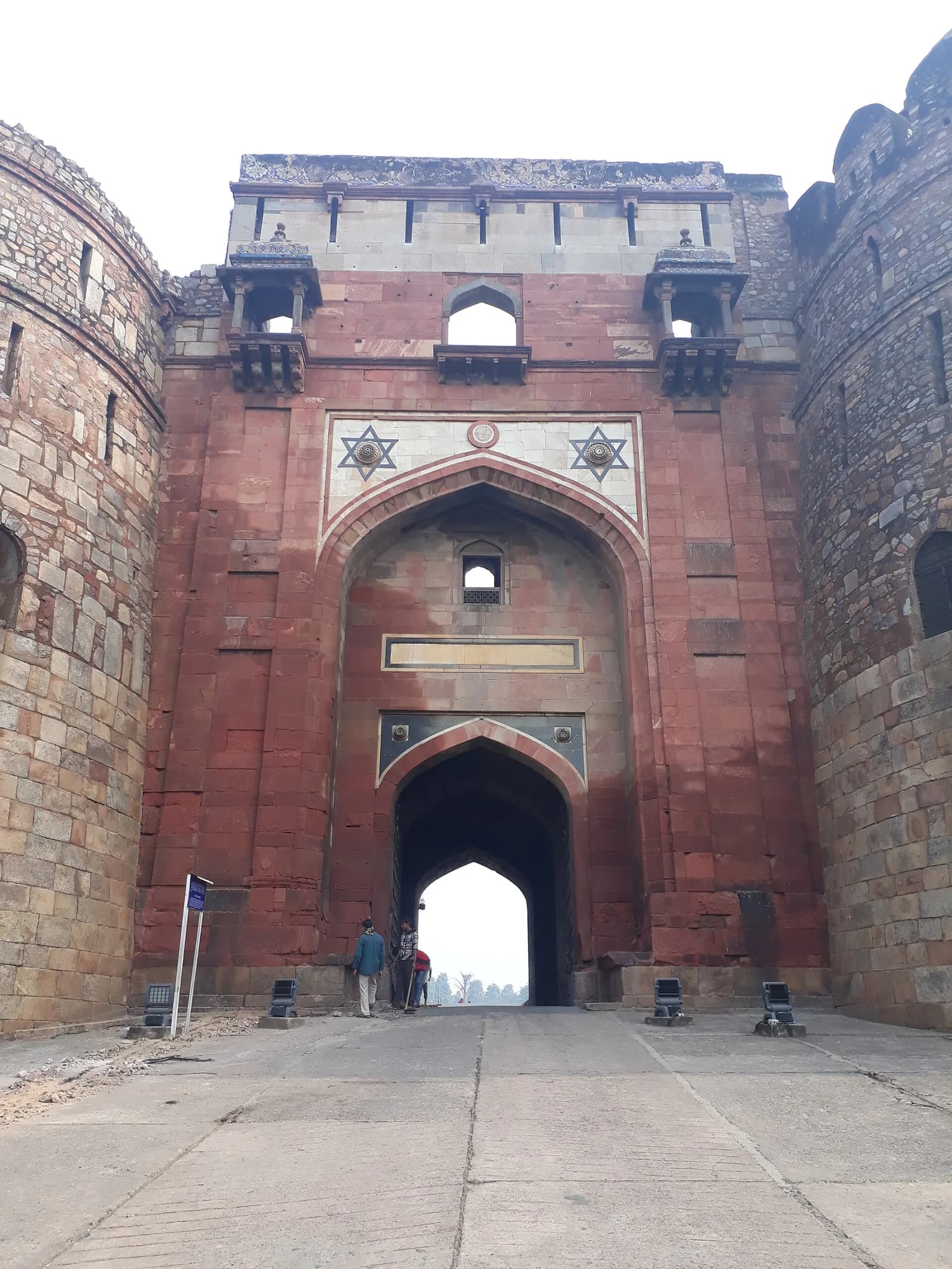
The inaugural Shanghai Cooperation Organisation (SCO) Civilisational Dialogue Forum, hosted by India at Purana Qila from November 20 to 22, concluded with the adoption of the 12-point Indraprastha Communiqué across all 10 member states, including Pakistan. Organised jointly by the Ministry of Culture and the Ministry of External Affairs, the charter frames shared civilisational heritage as a practical bridge for good-neighbourly cooperation.
Origins and Diplomatic Participation
The dialogue format was originally proposed by Prime Minister Narendra Modi at the SCO Leaders' Summit in Tianjin and subsequently endorsed by the SCO Council of Heads of Government. Delegations from all 10 member nations—including Pakistan's representation through Minister Musadik Masood Malik—convened at the historic Purana Qila complex to review people-to-people initiatives.
Member countries agreed to establish regular cultural dialogue mechanisms to deepen academic, artistic, and museum links across Eurasia and South Asia.
Key Pillars of the 12-Point Charter
Detailed policy analyses issued on November 28 underscored four operational priorities embedded in the Indraprastha Communiqué:
- Heritage conservation and anti-trafficking: Stronger bilateral and regional enforcement against illicit trafficking of cultural artefacts and antiquities.
- UNESCO coordination: Joint cross-border heritage dossiers and shared technical expertise for UNESCO World Heritage nominations.
- Museum exchanges: Travelling exhibitions, curatorial fellowships, and digitised archives connecting national museums across SCO states.
- AI for heritage access: Deployment of artificial intelligence tools to translate manuscripts, preserve endangered traditions, and widen public digital access.