The United States, Iran and the Gulf Arab states traded sharply opposing accounts of who is to blame for insecurity at sea in the Gulf when the UN Security Council met on Friday, 13 November 2026, to discuss threats to shipping in and around the Strait of Hormuz. The session ended without any new Council action.
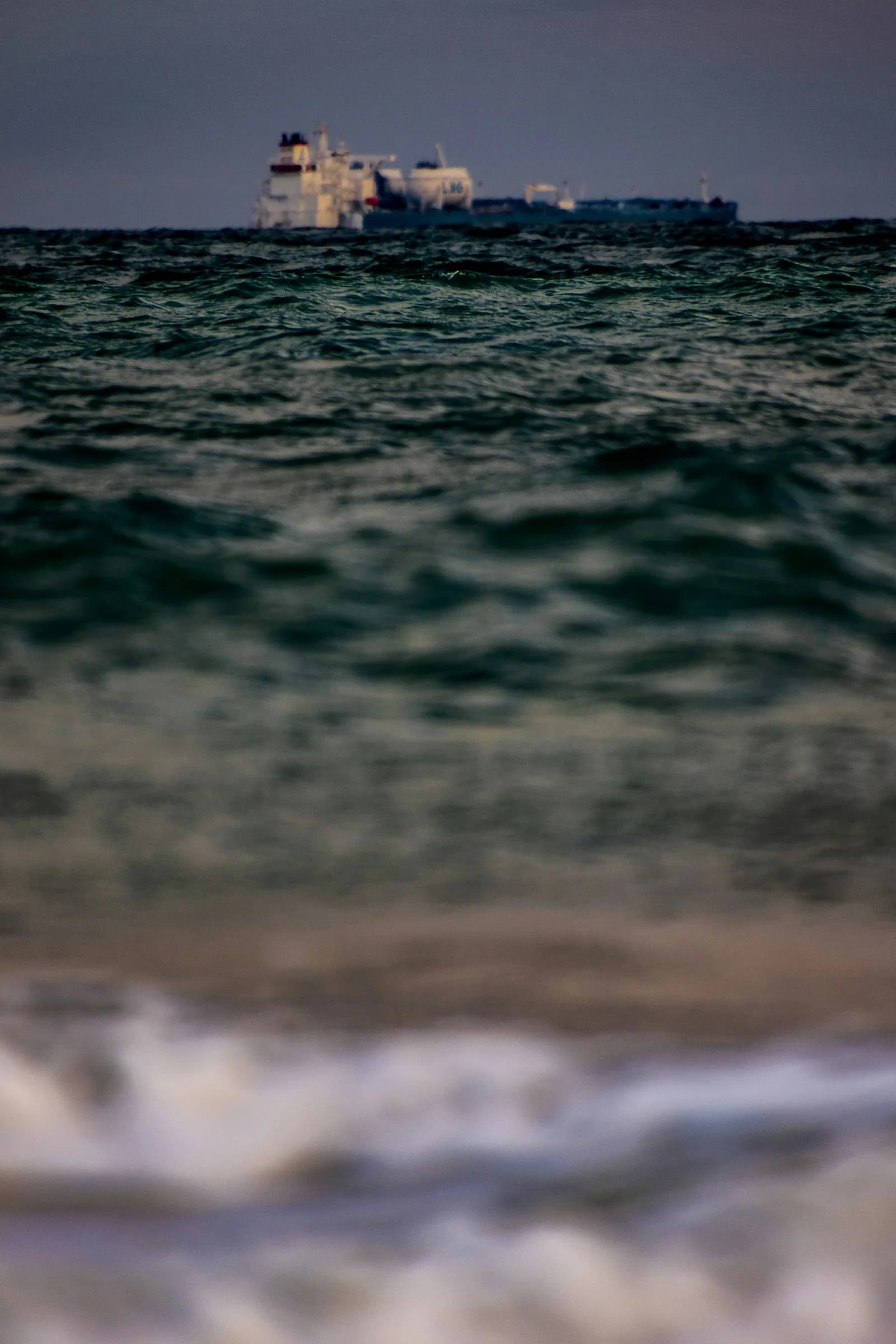
According to UN News, shipping through Hormuz remains around 65 per cent below pre-conflict levels, citing UK Maritime Trade Operations, and October recorded the highest number of incidents since the war began on 28 February 2026. Before the conflict, the strait carried roughly a fifth of the world's oil.
Gulf states: "a unified Gulf voice"
Jasem Mohamed Albudaiwi, Secretary-General of the Gulf Cooperation Council (GCC), told members that GCC states had been targeted by more than 7,000 Iranian missiles and drones since 28 February. He said the strikes had hit airports, ports, energy facilities, power stations, desalination plants and residential areas, and called them flagrant violations of the bloc's sovereignty, Dawn reported.
"We are addressing your council today with a unified Gulf voice," Albudaiwi said, according to The Diplomatic Insight. He added that "disruption of navigation in a single corridor affects factories, businesses and consumers across continents," and asked the Council to act so that the attacks stop and are not repeated.
Speaking for the GCC, Bahrain's ambassador Jamal Fares Alrowaiei welcomed mediation efforts by Oman, Qatar and Pakistan. "The security of the GCC States is indivisible," he said, insisting that Gulf states must have a seat in any negotiations on regional security.
United States: "Iran ignores this Council"
US representative Jennifer Locetta accused Tehran of aggression against its neighbours. "The regime attacks its neighbors, fires on commercial ships, arms terrorist proxies, and defies this Council at every turn," she said, according to Dawn. She pointed to Iranian missiles, drones and mines in Hormuz and to attacks in the Bab el-Mandab strait, and recalled that resolution 2817, adopted in March, had 136 co-sponsors. "Iran ignores this Council," she said. She also accused the Houthis of attacking Saudi airports and energy sites with Iranian backing.
Iran blames US and Israel
Iran's ambassador Gholamhossein Darzi rejected that account. He said the wars launched by the United States and Israel on 13 June 2025 and 28 February 2026 were the root cause of the crisis, and put Iran's death toll at 5,000, including 254 children. "The insecurity surrounding the Strait of Hormuz is a direct consequence of these acts," he said, according to Dawn. He described resolution 2817 as politically motivated, said foreign military forces were a major source of instability, and said Tehran had not closed the door to diplomacy if Washington ended military action, gave credible guarantees against a repeat and lifted coercive measures.
UN News noted that the Council adopted resolution 2817 in March, condemning Iran's attacks and threats to navigation, with China and Russia abstaining. A 60-day US-Iran ceasefire mediated by Pakistan in June lapsed in August without a peace deal.
Pakistan urges de-escalation
Pakistan's permanent representative, Ambassador Syed Haider Shah, condemned attacks on Gulf countries, including Houthi strikes on Saudi Arabia, and stressed the strategic importance of both Hormuz and the Bab el-Mandab. He called for commercial vessels and crews to be protected and urged all sides to end attacks, keep communication channels open and back diplomacy, including the UN Secretary-General's good offices.
Why it matters
The figures reported by UN News show that one of the world's main energy routes is still running at about a third of its normal traffic. Transits through the Bab al-Mandab, the southern entrance to the Red Sea, are also down by roughly a quarter since the Houthis declared a blockade on Saudi-linked shipping in July.
What happens next
Friday's meeting produced statements rather than a decision. Speakers broadly backed mediation, freedom of navigation and a negotiated settlement, but the gap between Washington and the Gulf states on one side and Tehran on the other remained wide. The Gulf states have asked the Council for concrete action, while Iran has set its own conditions for talks.