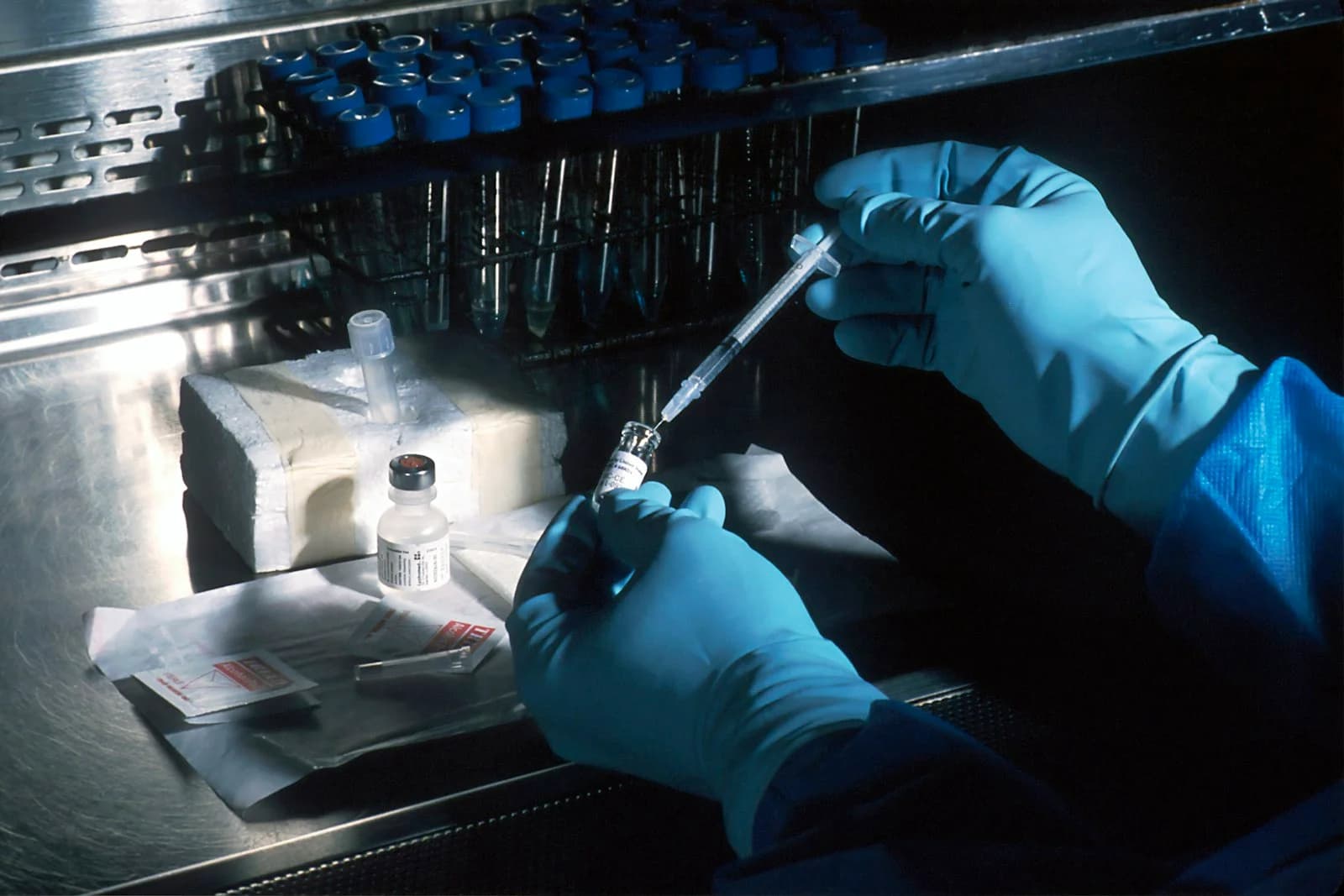
The Uganda Virus Research Institute (UVRI) on 27 November 2026 launched what it described as Africa's first Phase I clinical trial of an mRNA vaccine, testing a Moderna candidate against the Bundibugyo strain of Ebola in Uganda as neighbouring Democratic Republic of the Congo (DRC) battles one of the largest Ebola outbreaks ever recorded. The study, designated mRNA-1469-P102 and approved by Ugandan regulators, will for the first time give the experimental vaccine to children, according to reports by Xinhua, carried by Bernama, and Reuters.
What does the Uganda trial test?
The trial checks whether the vaccine is safe and whether it triggers an immune response; it does not measure whether the shot prevents Ebola disease. About 224 healthy volunteers aged between 1 and 65 will take part, and UVRI said screening and enrolment of volunteers was already underway. Each participant will be followed for roughly one year after receiving the study injection.
Including children aged one year and above is the key new element. The candidate's first human study, which began in Canada in August 2026, enrolled only adults aged 18 to 65. The Coalition for Epidemic Preparedness Innovations (CEPI) announced at the time that the first Canadian participant was dosed on 3 August 2026 in Truro, Nova Scotia, in a study of about 80 adult volunteers across three sites.
Who is behind the vaccine?
The vaccine, known as mRNA-1469, is made by the US drugmaker Moderna and is one of four initial Bundibugyo candidates funded by CEPI, the Norway-headquartered vaccine financing body. Pontiano Kaleebu, UVRI's executive director and lead investigator of the Ugandan trial, said the work would support the response to the outbreak in Congo while strengthening readiness for future outbreaks, Xinhua reported. Hamilton Bennett, Moderna's executive director of resilience, said testing in children would produce valuable data for current and future emergencies.
"Children are often among those hardest hit when Ebola strikes, yet they are too often the last to benefit from new vaccines," CEPI chief executive Richard Hatchett said, according to Reuters.
Why it matters now
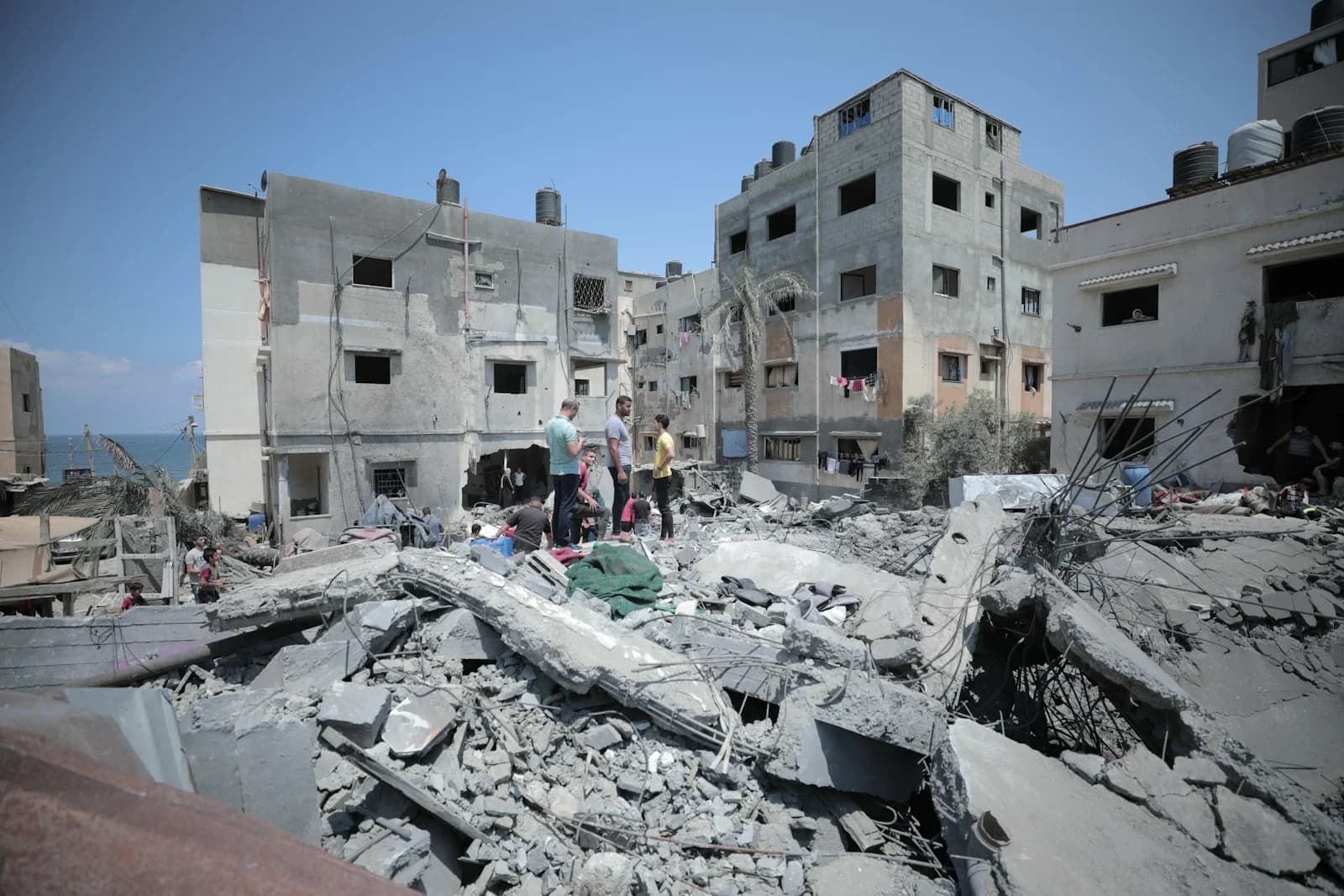
There is currently no approved vaccine or treatment for the Bundibugyo species of Ebola. According to figures from the World Health Organization (WHO) cited by AFP, the outbreak centred in eastern DRC has caused more than 11,000 confirmed cases and over 5,700 confirmed deaths since it was declared in May. MapMyTimes earlier reported that the European Centre for Disease Prevention and Control put confirmed cases above 12,000, and has published an explainer on the Bundibugyo virus.
Uganda itself was declared Ebola-free in August after recording 20 cases, including two deaths, AFP reported.
What happens next?
Interim results from the Canadian study helped the WHO's independent Technical Advisory Group on Candidate Vaccines Prioritisation recommend the Moderna candidate for evaluation in the DRC's Phase 2/3 "Tumaini" ring vaccination trial, according to Xinhua. Two experimental vaccines are due to begin testing in eastern DRC on Monday among contacts of cases and people at high risk, AFP reported, citing the WHO. Among them is a ChAdOx1 vaccine developed by the University of Oxford and the Serum Institute of India.
Gavi, the Vaccine Alliance, signed a purchase commitment this week for 1.5 million doses of that Oxford-Serum Institute vaccine, AFP reported. Emanuele Capobianco, Gavi's director of global health security, told the agency he hoped trials would conclude within the first half of 2027. Scientists are also testing whether Merck's Ervebo vaccine, which targets the Zaire strain of Ebola, offers any protection against Bundibugyo.
Until those trials report, none of the candidates is available outside a study setting.