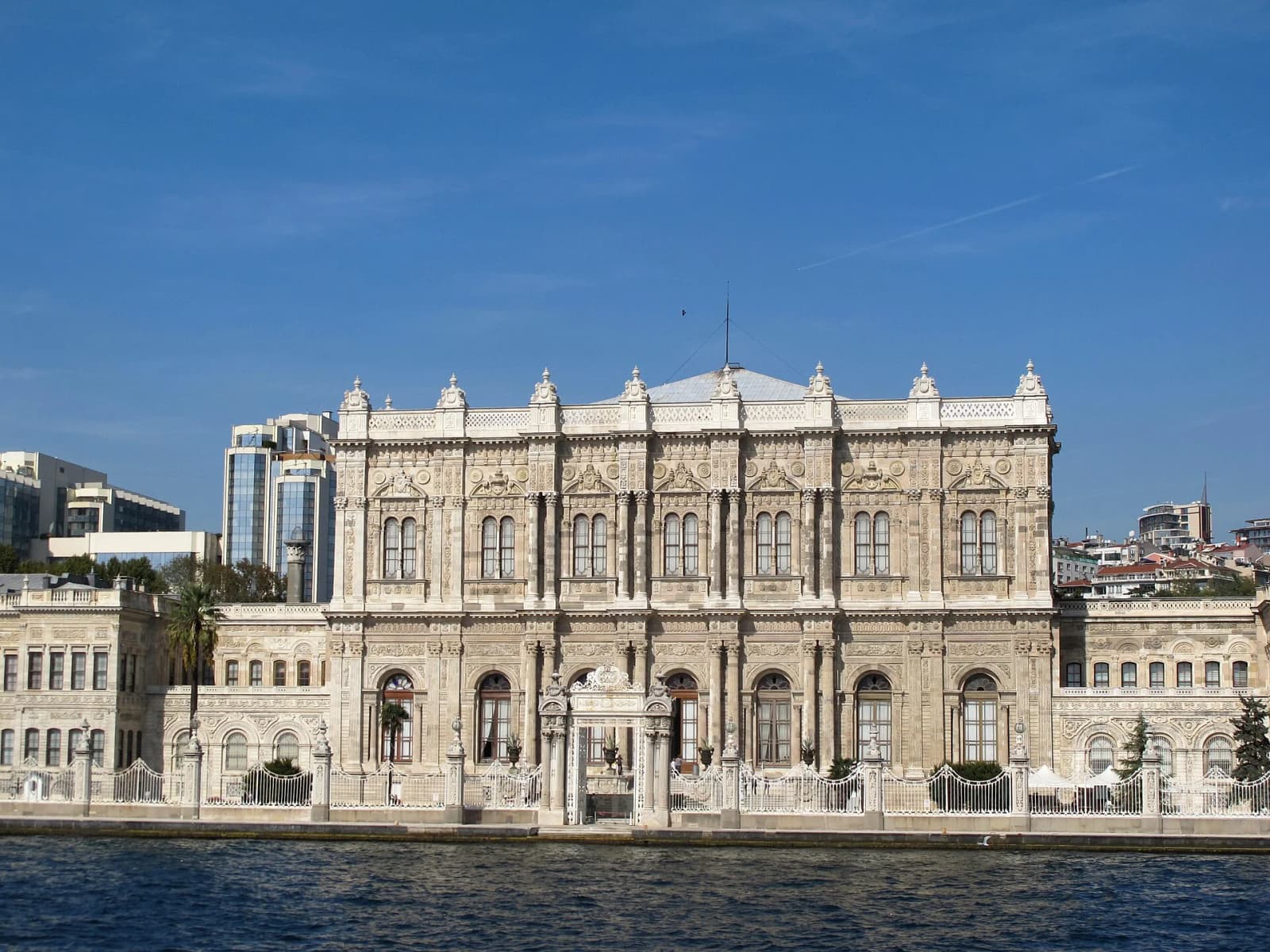
Türkiye and Qatar have signed a mutual defence agreement, turning a military partnership that dates back to 2014 into a formal commitment to stand together against outside attack. President Recep Tayyip Erdogan and Qatar's Emir Sheikh Tamim bin Hamad Al Thani signed the pact on Friday, 13 November, at the Presidential Dolmabahçe Office in Istanbul during the 12th meeting of the two countries' High Strategic Committee.
The defence pact was one of five agreements signed at the meeting, Anadolu Agency reported. Neither government has published the text, and the Turkish presidency did not set out its provisions.
What the two sides have said
According to a joint communique quoted by Al Jazeera, the agreement is meant to strengthen collective defence, promote regional security and set a common position against external armed attacks on either or both countries. The two sides agreed to consult each other on security threats and defence policy, and to widen joint military exercises, defence-industry collaboration and training exchanges.
The communique does not say what would trigger the pact or what a joint response would look like. Türkiye's Communications Directorate said Erdogan described the agreement as adding a new dimension to the partnership between the two countries, according to Türkiye Today.
The other agreements
- A memorandum on consumer protection, market surveillance and inspection, signed by Turkish Trade Minister Omer Bolat and Qatar's Minister of Commerce and Industry Sheikh Faisal bin Thani bin Faisal Al Thani.
- An education cooperation agreement, signed by Turkish Education Minister Yusuf Tekin and Qatari Minister of State Mohammed bin Abdulaziz Al-Khulaifi.
- A memorandum on peace, reconciliation and conflict resolution, signed by Foreign Minister Hakan Fidan and Qatar's Prime Minister and Foreign Minister Sheikh Mohammed bin Abdulrahman Al Thani, who also signed the committee's joint declaration.
Built on a 2014 framework
The High Strategic Committee was set up under an agreement signed on 19 December 2014, and Türkiye already keeps a military presence in Qatar alongside joint training and defence manufacturing. Al Jazeera reported that Turkish contractors have completed 206 projects in Qatar worth $20.8 billion, and that the two countries restated a $5 billion bilateral trade target while promising closer cooperation on liquefied natural gas.
The communique also welcomed the Badr Memorandum signed by Türkiye, Qatar, Pakistan and Indonesia, describing it as a step towards collective defence through home-grown capabilities such as joint production and stronger supply chains.
Why it matters
The pact comes as the Gulf deals with the fallout of the US-Israeli war on Iran and disruption to shipping through the Strait of Hormuz. The joint communique said the conflict should be settled through dialogue and diplomacy, and called for the swift and full resumption of safe passage through the strait.
Analysts quoted by Al Jazeera described the agreement as defensive. Abdulla Banndar Al-Etaibi of Qatar University said it was not aimed at any particular country and was intended to deter aggression by raising its cost, linking it to fears of fresh escalation and doubts about how dependable the US security umbrella will be. Anadolu analyst Ozcan Tikit said cooperation could later extend to missile defence, drones and armoured vehicles, but stressed these were possibilities rather than announced projects.
What happens next
Key questions remain open: the full text of the agreement, how and when it takes effect, and what obligations each side has taken on. Watch for any ratification step in either country and for follow-up announcements on joint exercises or defence-industry projects.