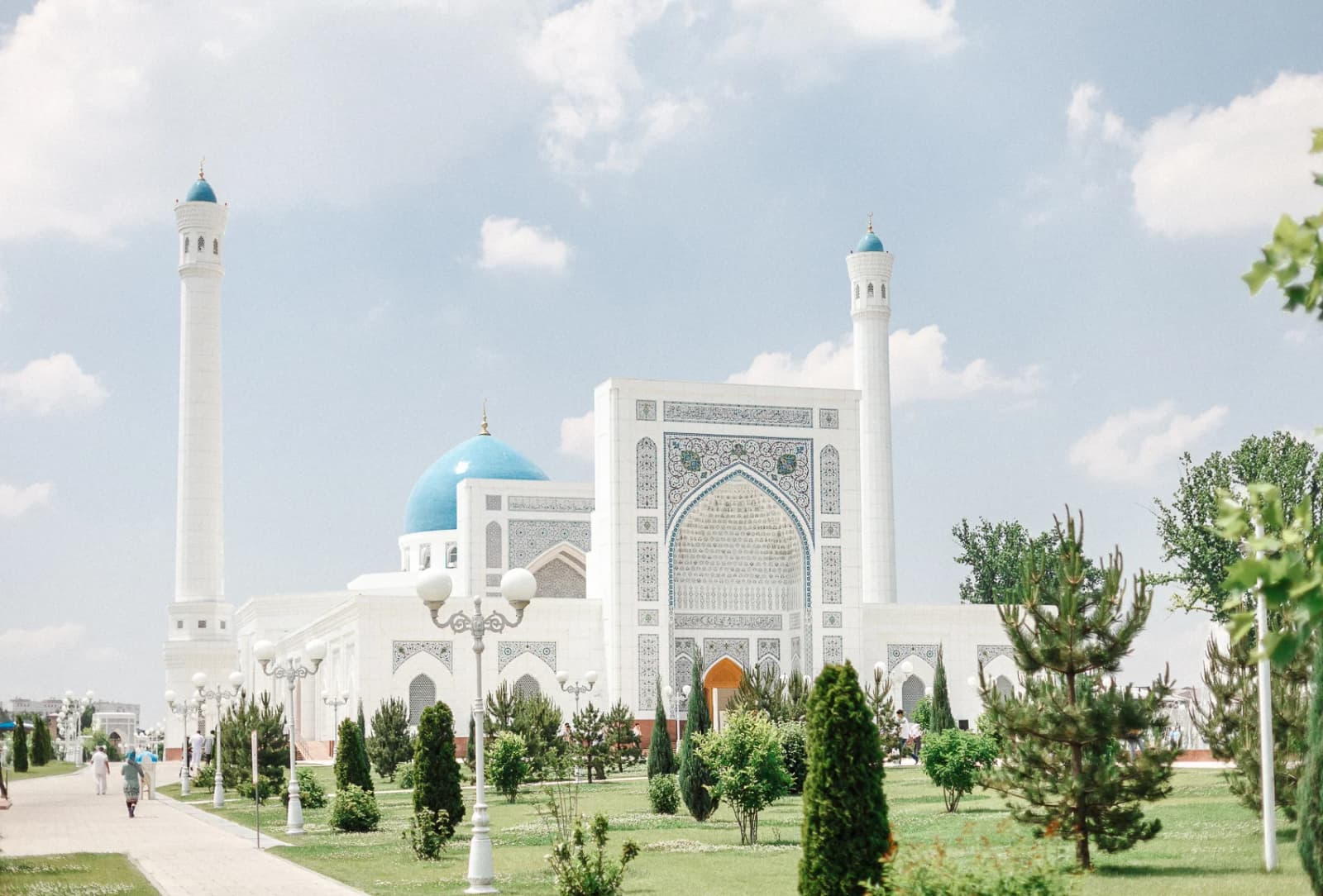
Uzbekistan and UN Tourism, the United Nations agency for tourism, formally opened the International Year of Sustainable and Resilient Tourism on 27 November 2026 in Tashkent, the capital of Uzbekistan, a little over a month before the observance year of 2027 begins. The ceremony was held on the closing day of the 31st Tashkent International Tourism Fair, "Tourism on the Silk Road", which ran from 25 to 27 November, and coincided with the city's first International Tourism Investment Forum.
UN Tourism Secretary-General Shaikha Al Nowais attended, along with delegates from more than 45 countries, according to a report carried by tafs.uz citing Uzbekistan's national news agency UzA.
What is the International Year of Sustainable and Resilient Tourism?
It is a UN observance for 2027 that asks governments and the industry to make tourism greener and better able to absorb shocks. The United Nations General Assembly adopted the resolution on 26 February 2024, and it invites UN Tourism to "facilitate the organization and implementation" of the year together with governments, UN bodies and other partners, as the Food and Agriculture Organization's Mountain Partnership noted at the time. Uzbekistan led the initiative, and Uzbek reports say more than 80 countries backed it.
Aziz Mirjalilov, head of marketing at Uzbekistan's Tourism Committee, told the regional broadcaster AnewZ that President Shavkat Mirziyoyev first floated the idea at the World Tourism Organization's General Assembly in Samarkand in 2023. "The main goal is to make tourism accessible, sustainable and safe," he said.
What did Uzbekistan propose in Tashkent?
Saida Mirziyoyeva, Head of the Presidential Administration, read out a message from President Mirziyoyev. According to the Uzbek reports, the message:
- proposed a global five-year action plan under UN Tourism, running beyond 2027 and involving states, international organisations and the private sector;
- called for domestic tourism to be developed as a buffer that helps the sector withstand crises;
- urged closer regional cooperation, pointing to Central Asia as neighbours that can work as a single tourism space.
AnewZ reported that the message put global tourism at $11.6 trillion in 2025, or 9.8 per cent of world GDP. In a Telegram post, Mirziyoyeva wrote: "We love guests. Every tourist is trust in our country, well-being and prosperity in our homes."
Why does it matter for Uzbekistan?
The host country is using the year to showcase rapid growth. Uzbekistan received 11.6 million tourists in the first ten months of 2026, matching its total for all of 2025, while tourism service exports rose about 1.5 times to $6 billion, the reports said. Around one million people work in tourism and linked industries.
The government's 2030 targets are 20 million foreign visitors, $10 billion in tourism exports, two million jobs in the sector and a 7 per cent share of GDP. AnewZ also reported plans to expand designated tourist villages and mahallas, or traditional neighbourhoods, from 57 to 140 by 2030. Mirjalilov highlighted crafts in the Fergana Valley, mountain resorts in the Tashkent and Jizzakh regions, eco-tourism in Kashkadarya, Buddhist heritage in Surkhandarya and the Savitsky Museum in Nukus, which he said foreigners call "the Louvre in the desert".
What is confirmed and what is not?
The ceremony, the speakers and the figures above were reported by Uzbek and regional media on 27 November. Organisers said several agreements and memoranda were signed with foreign partners during the three-day fair, but the partners and terms were not disclosed. Preview coverage had said a "Tashkent Declaration" setting cooperation priorities would be adopted at the ceremony; MapMyTimes could not find confirmation that it was adopted. One local report also noted that no programme, budget or list of participants for the year had yet been published.
What happens next?
The observance formally runs through calendar year 2027, and UN Tourism is expected to coordinate events with member states. For travellers, the theme sits alongside a wider push by destinations to manage visitor growth, a debate MapMyTimes has followed in coverage of South Korea's record 20 million international visitors and calls to protect Meghalaya's living root bridges from overcrowding.