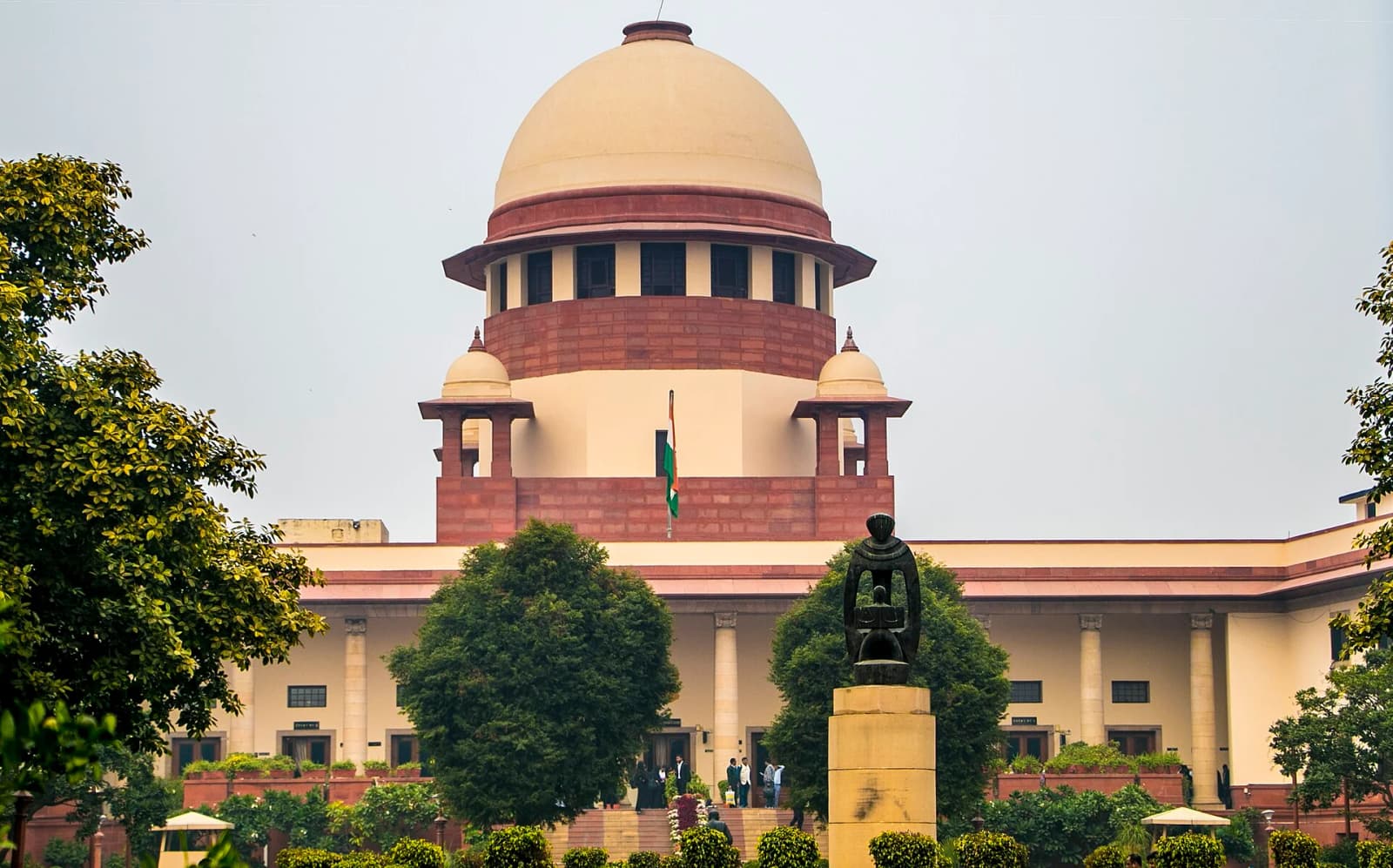
The Tamil Nadu government has moved the Supreme Court against a Madras High Court order directing the removal of a statue of social reformer E.V. Ramasamy, known as Periyar, from land belonging to a temple in Thanjavur district, legal news portals reported on 24 November 2026. The appeal, a Special Leave Petition, was filed through the Thanjavur District Collector on 22 November, according to LiveLaw.
What did the High Court order?
A Division Bench of the High Court's Madurai Bench, comprising Justices P. Velmurugan and K.K. Ramakrishnan, on 30 October 2026 directed the Thanjavur Collector to safely remove the statue from the land of the Arulmigu Bramasirakandeeswarar Temple at Kandiyur and relocate it to another suitable place within four weeks. The Bench found that the statue had been installed on temple land without permission from the temple authorities, the Collector or any other competent authority, Bar and Bench reported.
The court had asked the Collector to inspect the site. While the local Tahsildar had told the court that the statue stood on government poramboke land, the Collector's status report found that the land belonged to the temple, according to the reports.
Who sought the statue's removal?
The order came on a writ petition by Rama Ravikumar, described as a devotee, who sought a direction for the statue's removal. He relied on an 8 July 2026 recommendation by the Joint Commissioner of the Hindu Religious and Charitable Endowments (HR&CE) Department in Thanjavur. He also objected to an inscription beneath the statue that carries Periyar's statement denying the existence of God, according to Bar and Bench.
LiveLaw reported that the petitioner had alleged that the statue was installed in 1990 by the Dravidar Kazhagam without HR&CE permission. The High Court disposed of the writ petition and listed the matter after four weeks to verify compliance.
What is the State arguing?
The specific grounds of the State's appeal have not been made public in the reports, and neither LiveLaw nor Bar and Bench has reported a date on which the Supreme Court will hear the case. The petition is titled The District Collector, Thanjavur District v Rama Ravikumar and others and carries Diary No. 73523/2026, according to LiveLaw.
Why does this matter?
Periyar is described in the reports as a Dravidian movement leader and social reformer. The case raises questions about how statues and memorials of public figures can stand on land that belongs to religious institutions, and what role the HR&CE Department, which manages temple properties, plays in such disputes.
The four-week window set by the High Court on 30 October is close to running out, which makes the timing of any Supreme Court hearing important.
What happens next?
The Supreme Court will first decide whether to take up the State's petition and whether to pause the High Court's direction in the meantime. The High Court is separately due to check whether its order has been complied with once the four-week period ends.