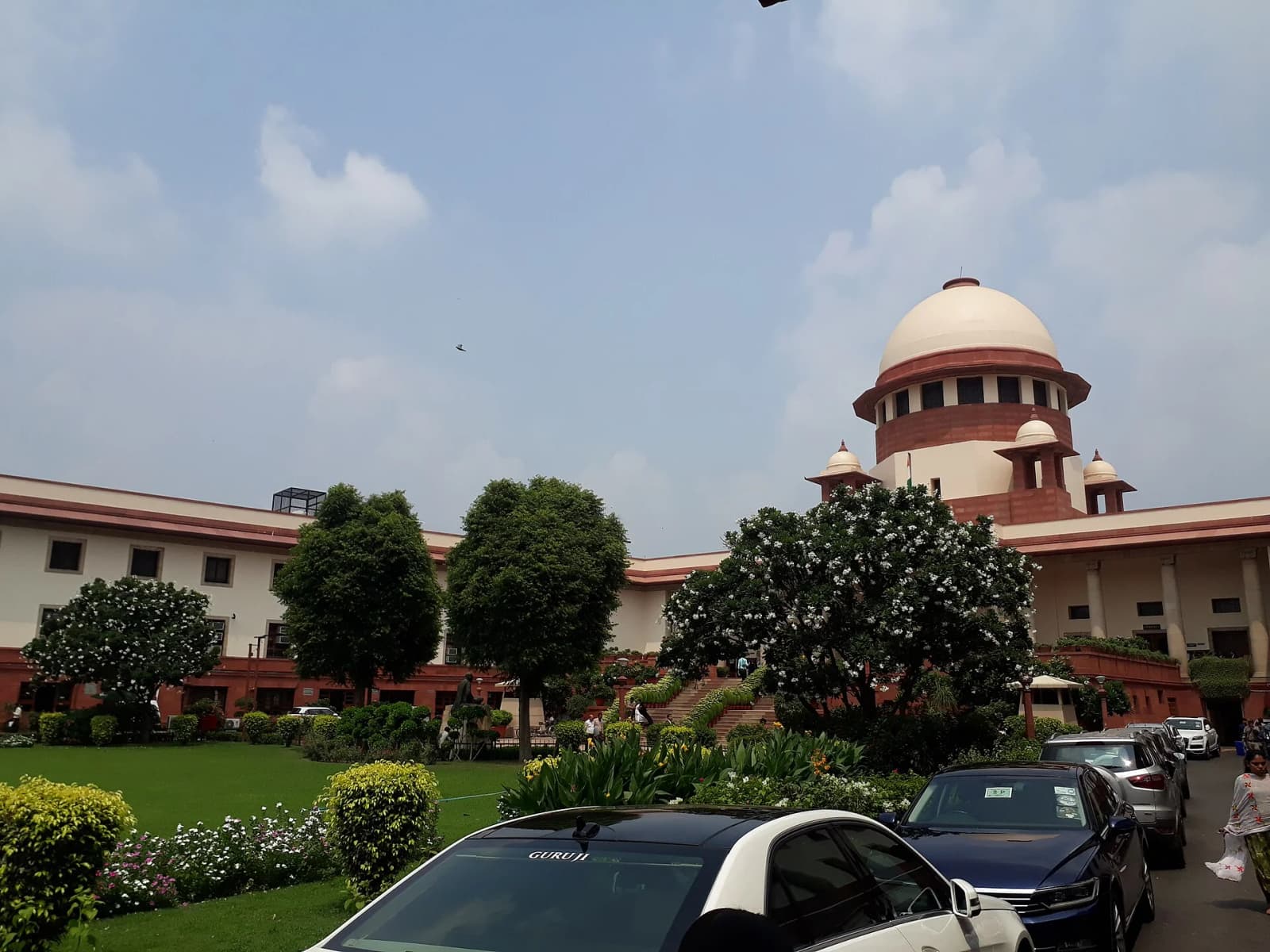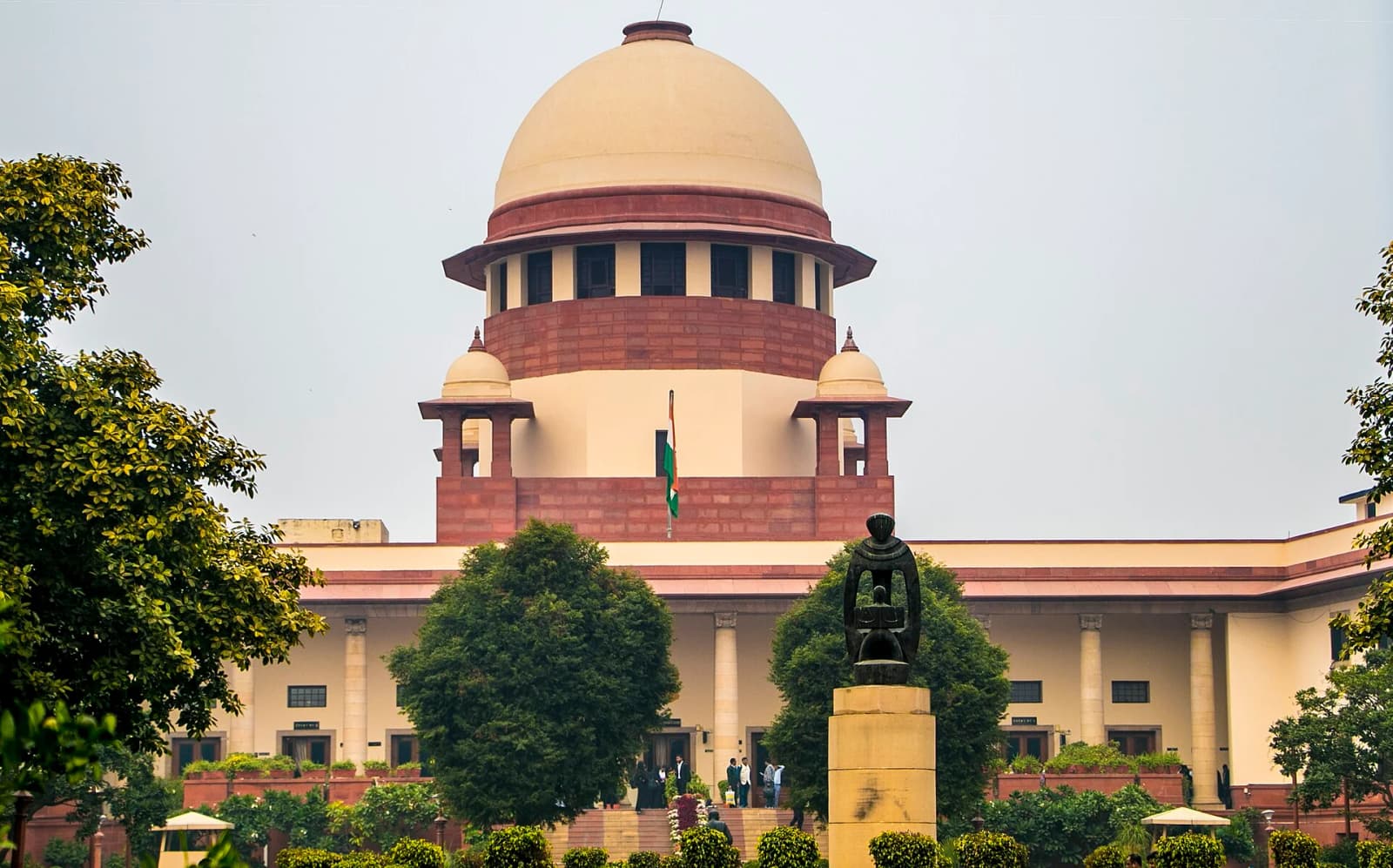
The Supreme Court has ordered the Chhattisgarh government to pay ₹30 lakh to a man who stayed in prison for more than seven years after the High Court had acquitted him of murder, because the acquittal order never reached the jail. The amount is fifteen times the ₹2 lakh the Chhattisgarh High Court had awarded him earlier this year.
A bench of Justices Augustine George Masih and Sanjeev Sachdeva delivered the judgment in Devilal Gond v. State of Chhattisgarh on 16 November, legal news website Bar and Bench reported on Tuesday. The State has to pay within four weeks, after adjusting whatever it has already paid under the High Court's order.
Acquitted in 2018, released in 2025
According to the report, Gond was arrested in December 2012 in a murder case. A sessions court in Rajnandgaon convicted him in August 2013 and sentenced him to life imprisonment. On 20 January 2018, the Chhattisgarh High Court set aside the conviction and acquitted him. The State did not challenge that verdict.
He was not released. The report says the High Court appeared to have assumed that his sentence had been suspended and that he was out on bail, and it directed that his bonds remain in force for six months. The fact that he was still behind bars was not brought to its notice.
The superintendent of Durg Central Jail wrote to a legal aid panel lawyer in April and June 2018 asking about the status of the appeal, the report adds. The State told the court that the outcome did not reach the prison authorities because of a lapse in communication and coordination.
The error surfaced only on 15 May 2025, during a review of prison records. The Rajnandgaon sessions court issued a release warrant on 19 May 2025 and Gond walked out the same day. He was about 28 when he was acquitted and about 35 when he was freed, as per the report.
What the Supreme Court said
On 1 May 2026, the High Court granted Gond ₹2 lakh for the violation of his right to personal liberty under Article 21 of the Constitution. He then moved the Supreme Court for a higher amount.
The top court, Bar and Bench reported, found that the State's own explanation showed "complete remissness" on the part of all the authorities concerned. It noted a lack of coordination among institutions and observed that Gond had lost the prime years of his youth to official apathy.
The bench held that compensation in such a case must take into account lost earnings and lost opportunities, and should be enough for the person to "stand on his own feet". It also recorded that there is at present no law laying down how compensation for wrongful incarceration is to be worked out.
Directions to all High Courts
- The judgment is to be sent to the Registrars General of all High Courts, to be placed before their Chief Justices.
- High Courts have been asked to consider issuing directions similar to those of the Madhya Pradesh High Court to prevent such cases.
- They have also been asked to consider an online criminal justice platform. The court referred to Madhya Pradesh's integrated system, which shares data among the police, courts, prisons, prosecution, forensic laboratories and hospitals.
What happens next
Chhattisgarh has four weeks to pay the balance amount. A copy of the judgment has also been marked to the Secretary of the District Legal Services Authority concerned in Chhattisgarh for compliance, the report said. How each High Court acts on the suggestion of a shared online system will be known only after the judgment is placed before the respective Chief Justices.
PS · Pinakpani, CC BY-SA 4.0