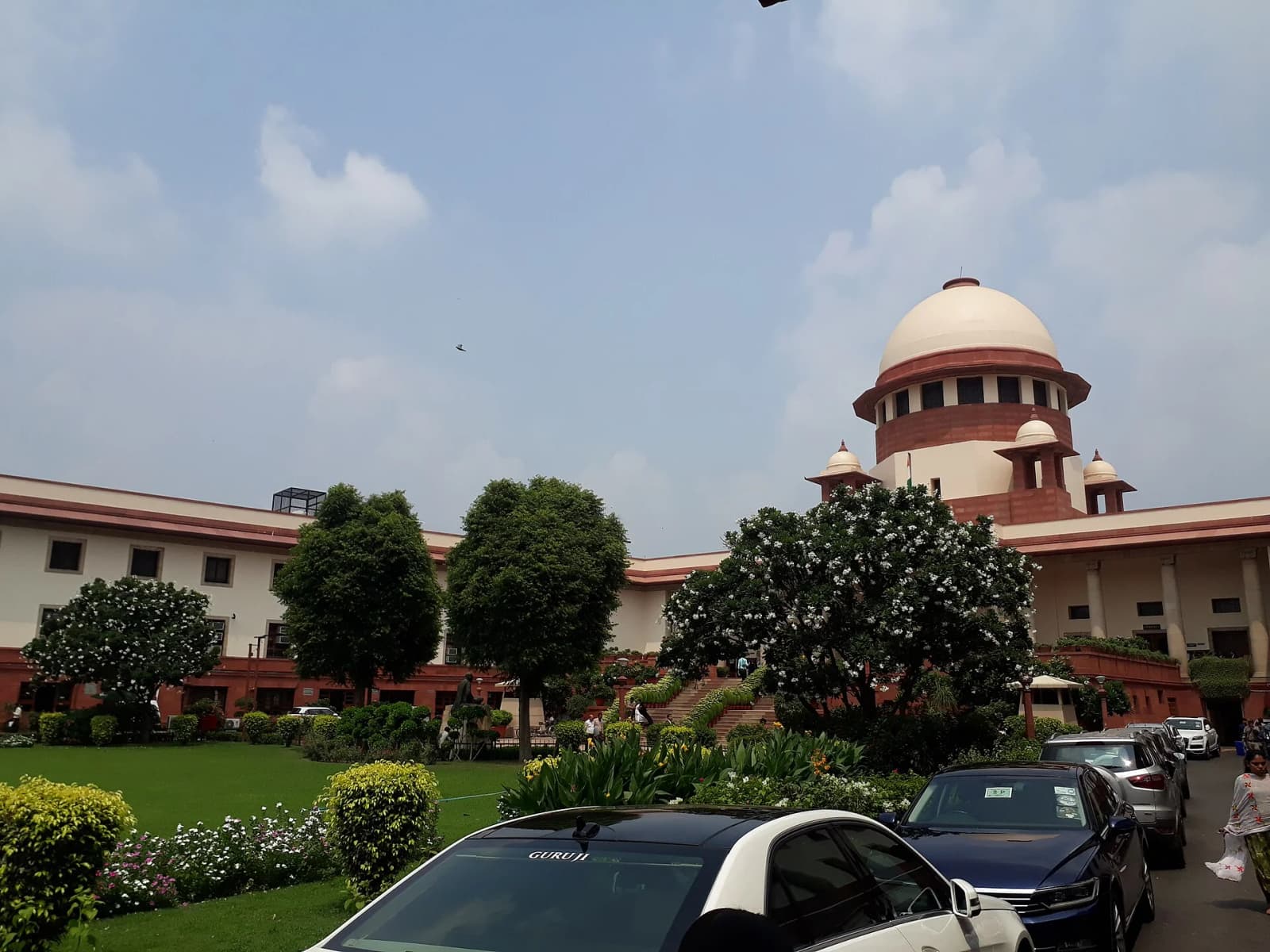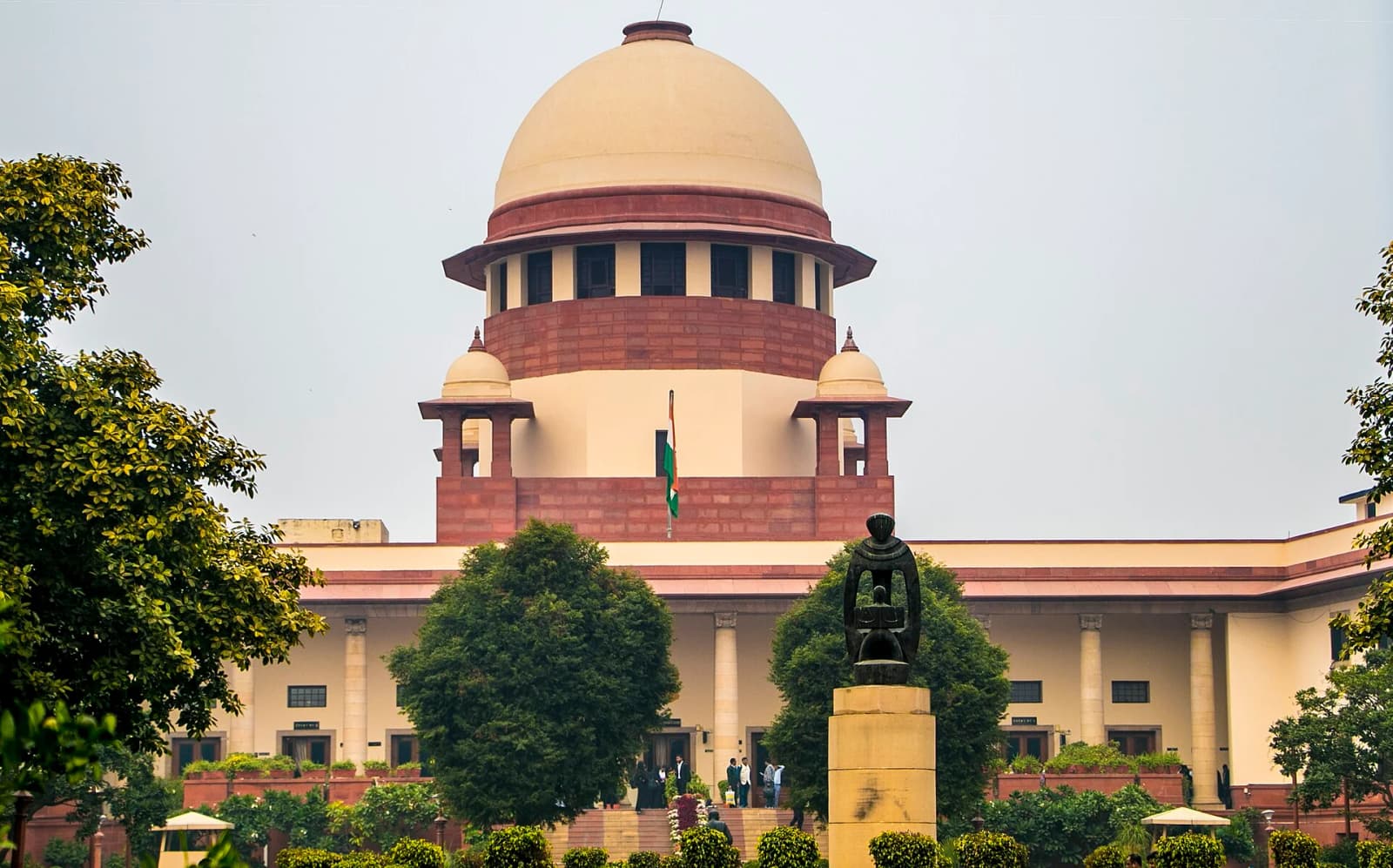
The Supreme Court on Tuesday said it would first hear arguments on whether opposition leaders can put 48 written questions to the Election Commission of India (ECI) about how it decided on the Special Intensive Revision (SIR) of electoral rolls, and only then take a decision. The matter will come up next on 9 December.
A bench of Chief Justice of India Surya Kant and Justices Joymalya Bagchi and V Mohana was hearing an application filed in the petition by Leader of the Opposition Rahul Gandhi and other INDIA bloc leaders, legal news websites LiveLaw and Bar and Bench reported. The bench did not take up the matter in detail on Tuesday as it was in the middle of another part-heard case, according to LiveLaw.
What happened in court
Senior Advocate Kapil Sibal, appearing for the petitioners, asked the court to issue notice to the ECI on the application to serve interrogatories, which are written questions that the other side has to answer on oath.
Senior Advocate Harish Salve, for the Commission, said it had serious reservations about the application and that it would cause "very serious prejudice", both outlets reported.
"We will hear on the interrogatories and then take a call," the Chief Justice said, as quoted by LiveLaw. Bar and Bench reported that the CJI told the Commission it could put its objections on record. No notice was issued on the application; LiveLaw said an earlier version of its own report had wrongly stated that the court had sought the ECI's response.
What the 48 questions ask
The application, as described in the two reports, wants the Commission to state on affidavit:
- whether Chief Election Commissioner Gyanesh Kumar and Election Commissioners Sukhbir Singh Sandhu and Vivek Joshi approved the ECI's affidavit in the case, and how and when that approval was given;
- how many written dissents or reservations the Commissioners recorded between February 2025 and October 2026 on the SIR, the ECINET platform, Form 6 and appeals;
- the file numbers, dates and manner of decision behind the SIR orders of 24 June 2025, 27 October 2025 and 14 May 2026;
- who added a declaration to the online Form 6 used for new voter registration, and how many applications were affected;
- State-wise figures of electors left out of draft and final rolls, with reasons;
- whether any entry in the rolls was added, deleted or changed without an Electoral Registration Officer's order;
- what became of a proposal attributed to Dr Vivek Joshi for an audit of who can access and alter the electoral roll database.
The petitioners also point to a reply under the Right to Information Act from August 2025 which, they say, stated that no information was available on a decision to begin a nationwide SIR.
The Commission's stand so far
The Supreme Court issued notice on the main petition on 15 October 2026. In a counter-affidavit filed on 26 October, the ECI said all three SIR orders were approved unanimously by its three members and denied that the Chief Election Commissioner had acted on his own, LiveLaw reported. It also said the additional declaration did not amend the statutory Form 6. Bar and Bench reported that a supplementary affidavit followed on 14 November; both were sworn by Deputy Election Commissioner Bhanu Prakash Yeturu.
The petitioners argue that these affidavits make assertions without giving file numbers, dates or minutes of meetings, the Bar and Bench report said.
Who has gone to court
Besides Rahul Gandhi, the petitioners named by LiveLaw include Mallikarjun Kharge, Akhilesh Yadav, Tejashwi Prasad Yadav, Saugata Roy, Sanjay Raut, M A Baby, D Raja, Mahua Majhi, Supriya Sule and E T Muhammed Basheer. Thol. Thirumavalavan and a National Conference MP joined later.
What happens next
On 9 December the bench is expected to hear both sides on whether the interrogatories should be allowed at all. Only if it permits them will the Commission have to answer the questions on oath.
PS · Subhashish Panigrahi, CC BY-SA 4.0