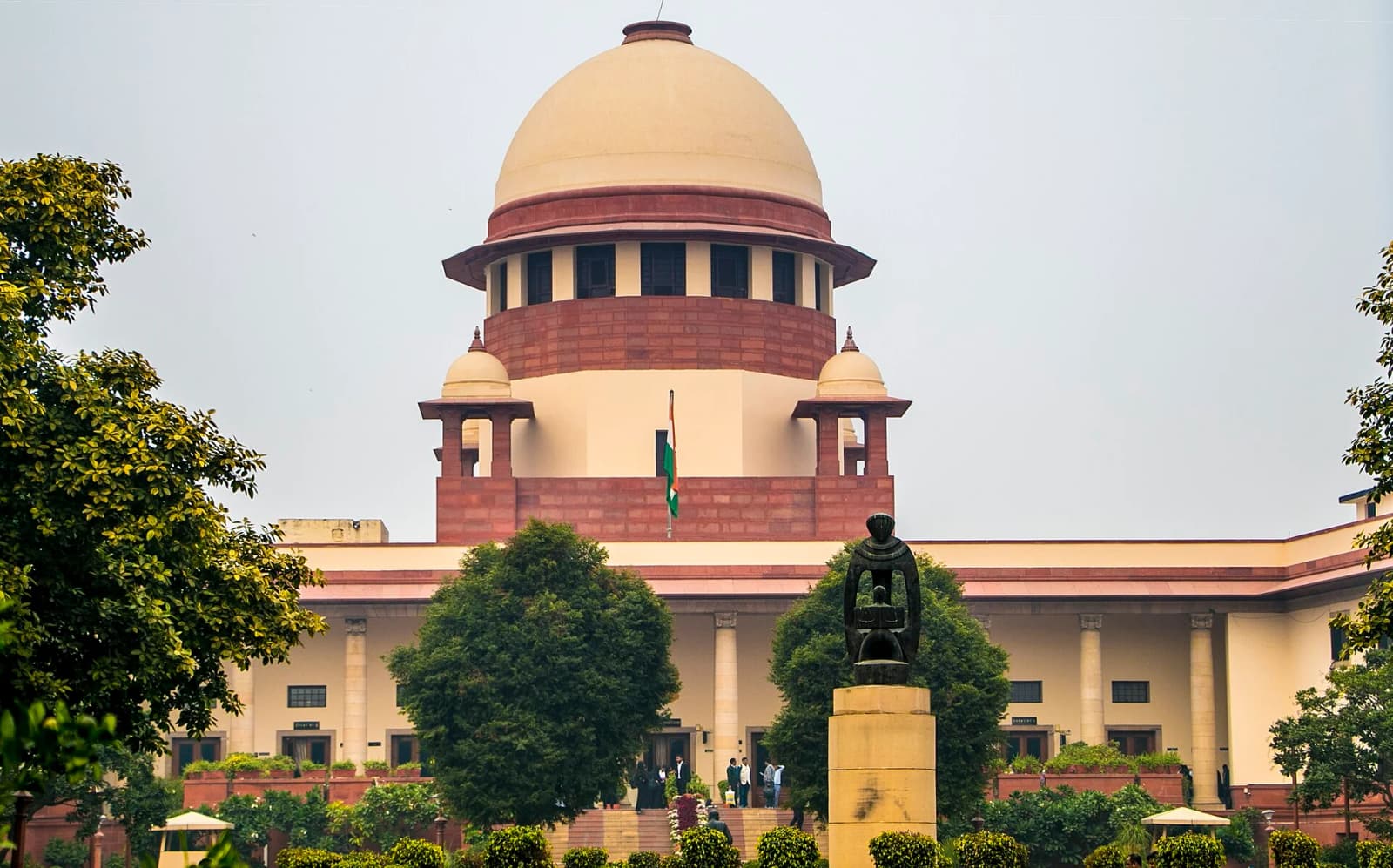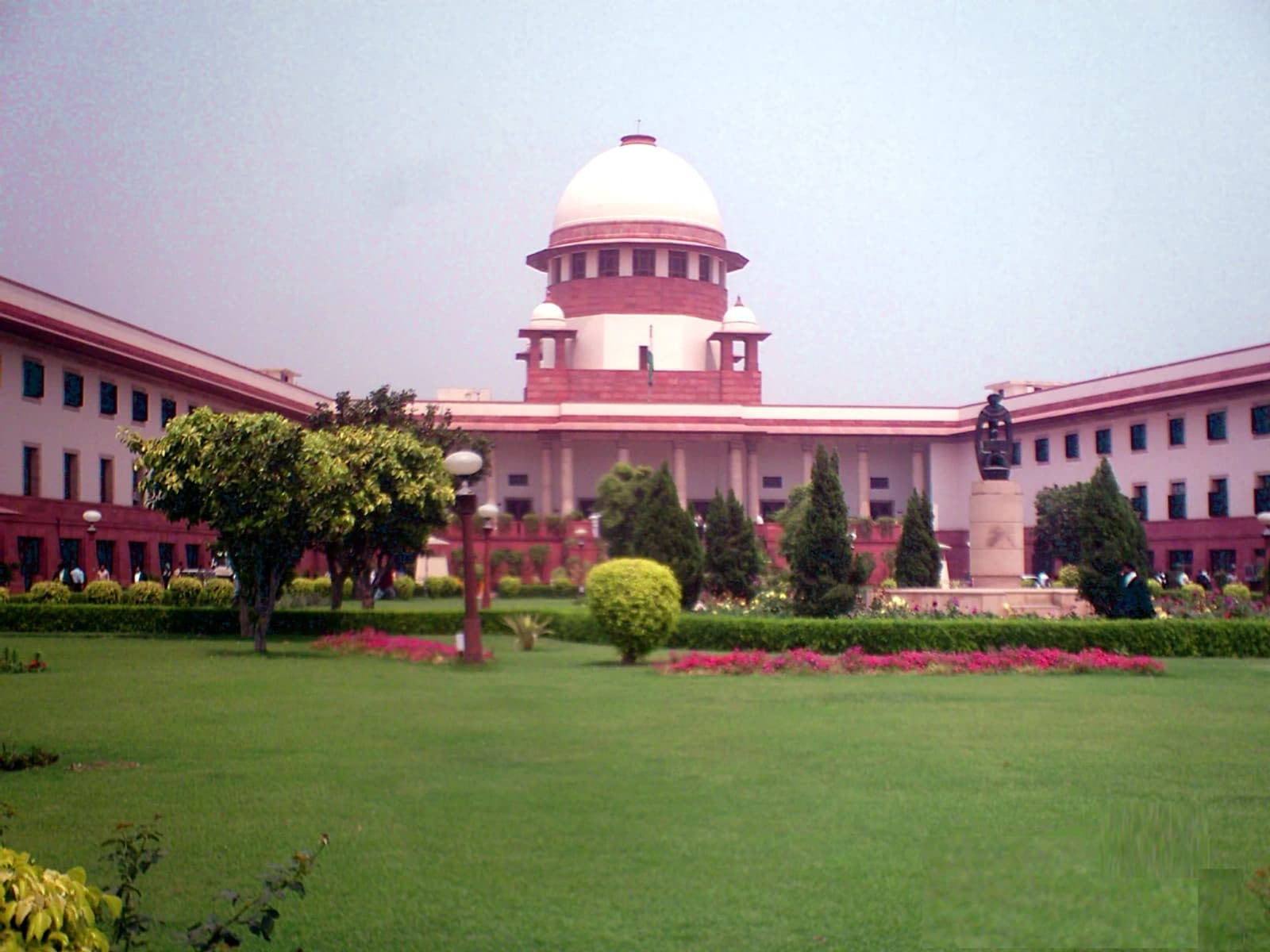
The Supreme Court of India on 26 November 2026 quashed the Bihar government's 2023 order granting premature release to former Member of Parliament Anand Mohan, who is serving a life sentence for the 1994 murder of Gopalganj District Magistrate G. Krishnaiah, and directed him to surrender within one month. A bench of Justice Dipankar Datta and Justice Sheel Nagu also struck down the Bihar notification that had made his release possible, and held that identifiable victims or their families must be allowed to make a representation before a convict is granted remission.
What did the Supreme Court decide?
The court allowed a writ petition filed by Telugu Umadevi Krishnaiah, the slain officer's widow. According to the 54-page judgment, the bench declared the Bihar Home Department (Prison) notification of 10 April 2023 "unconstitutional, invalid and inoperative". That notification had deleted the words "or for murder of a public servant on duty" from Rule 481(i)(a) of the Bihar Prison Manual, 2012, which until then barred such convicts from being considered for early release.
The bench also quashed the order of 24 April 2023 releasing Anand Mohan. It held that the amendment was "manifestly arbitrary" and violated Article 14 of the Constitution, describing it as a "sudden and selective departure" from a remission policy Bihar had followed since 2002, made without any discernible public purpose or supporting material.
The judges further found a "serious flaw" in the decision-making: the opinion of the presiding judge, which the law requires before remission, had been obtained in October 2021, when Anand Mohan was not even eligible, and was relied on in April 2023 without a fresh, reasoned opinion.
Why does the ruling matter for victims?
The court said a victim's role does not end with the trial. It held that an opportunity for a traceable and identifiable victim, or their legal representative, to submit a representation "ought to be read into" the Prison Manual, and that authorities must, wherever practicable, notify them before deciding on premature release. The bench clarified that this gives victims no veto: the authority must still decide independently, treating the representation as one relevant input. Legal news portal LiveLaw reported that the bench noted the absence of such a hearing requirement in Section 473 of the Bharatiya Nagarik Suraksha Sanhita.
Background to the case
According to the judgment, G. Krishnaiah, an Indian Administrative Service officer, was attacked by a mob and shot on 5 December 1994 while returning to Gopalganj from an official meeting. Anand Mohan, then a member of the Bihar Legislative Assembly, was found to have exhorted the shooter. A Patna sessions court sentenced him to death in October 2007; the Patna High Court commuted the sentence to life imprisonment on 10 December 2008, and the Supreme Court dismissed appeals against that ruling on 10 July 2012.
The Tribune reported that Anand Mohan walked out of Saharsa jail on 27 April 2023, days after the amendment, a move that drew criticism at the time. Before the Supreme Court, the Bihar government argued that he had served more than 14 years, according to a Press Trust of India report.
What happens next?
Anand Mohan must surrender to prison authorities within one month, failing which he is to be taken into custody. The state remains free to revise its remission policy and to reconsider his case afresh, but the court said no such process may begin until he surrenders, and the widow must be given a chance to be heard. No public reaction from Anand Mohan or the Bihar government had been reported at the time of writing.
Photo source · Legaleagle86 at English Wikipedia, CC BY-SA 3.0