This is a MapMyTimes opinion piece. It reflects the editorial view of MapMyTimes and responds to the Supreme Court of India's hearing on 27 November 2026, in which a bench asked the Union government to examine whether children can be given caste certificates based on their mother's caste.
A child raised by a single mother should not have to produce the identity of a father who is absent from her life in order to prove who she is. That is the simple idea at the centre of the question the Supreme Court has now placed before the Centre, and it deserves a clear, carefully drafted answer rather than another round of case-by-case litigation.
What did the Supreme Court ask on 27 November?
The Supreme Court asked the Centre to consider whether guidelines can be framed for issuing caste certificates to children on the basis of their mother's caste. According to a Press Trust of India report published by ThePrint, a bench of Justices Joymalya Bagchi and V Mohana said the issue assumes significance where the mother has custody of the child, and listed situations such as divorce, abandonment, adoption and single motherhood. The bench asked Attorney General R Venkataramani to assist on the legal and constitutional questions, declined to hear cases involving parents of the same caste separately from inter-caste cases, and adjourned the pleas. MapMyTimes reported the hearing here.
The bench was also weighing, the same report said, whether an exception to the practice of tracing a child's caste through the father can be carved out without disturbing what Constitution Bench judgments have said on caste-based reservation and migration.
Why the father-first rule is already not absolute
The law has moved on this before. In Rameshbhai Dabhai Naika v. State of Gujarat, decided on 18 January 2012, the Supreme Court held that the caste of a child of an inter-caste marriage, or of a marriage between a tribal and a non-tribal parent, is essentially a question of fact. The court said there may be a presumption that the child takes the father's caste, but that the presumption is not conclusive, and a child may show that he or she was brought up by a mother from a Scheduled Caste or Scheduled Tribe, faced the same disadvantages as that community and was treated as one of its members.
That principle is sound, but it puts the burden of proof on the child, one case at a time. For a single mother running between offices with school records and affidavits, a principle that exists only in a judgment is not the same as a rule an issuing officer can apply at the counter.
The strongest case for caution
There is a serious argument on the other side, and it should be heard fairly. A caste certificate is not just a document of identity; it is the key to reservation in education, jobs and elected bodies. Any rule that lets a parent choose which side of the family a child's category comes from could be misused by families seeking whichever category offers the most benefit, at the cost of children who genuinely carry social disadvantage. The 2012 judgment itself rested on lived experience, not on a choice of labels, and a loosely written guideline could weaken that test. The bench's own concern about not unsettling Constitution Bench rulings reflects how much is at stake for the wider reservation system.
That concern is real. But the answer to the risk of misuse is a better test, not a closed door. Children of separated, abandoned or single mothers are not a loophole; they are often among those who have the least access to the paperwork the current practice assumes.
What a fair guideline could look like
In our view, any national guidance should rest on a few plain principles:
- Custody and upbringing first: where the mother has legal or actual custody and raised the child, her community should be a valid basis for the certificate, without requiring documents from an absent father.
- Evidence of lived experience: the test laid down in 2012, of upbringing and treatment by the community, should be translated into a clear list of acceptable documents.
- One category, not a menu: a child should not be able to switch categories later for advantage; the basis chosen should be recorded once and verified.
- Time-bound scrutiny: verification committees should decide within a fixed period so that admissions and job applications are not lost while files move.
What should happen next
The Centre now has the opportunity to give the court a considered response that protects both the integrity of reservation and the dignity of children raised by their mothers. A short, workable framework, prepared with the states that issue these certificates, would serve families better than another decade of individual petitions. The Supreme Court has opened the door. The government should walk through it with care.
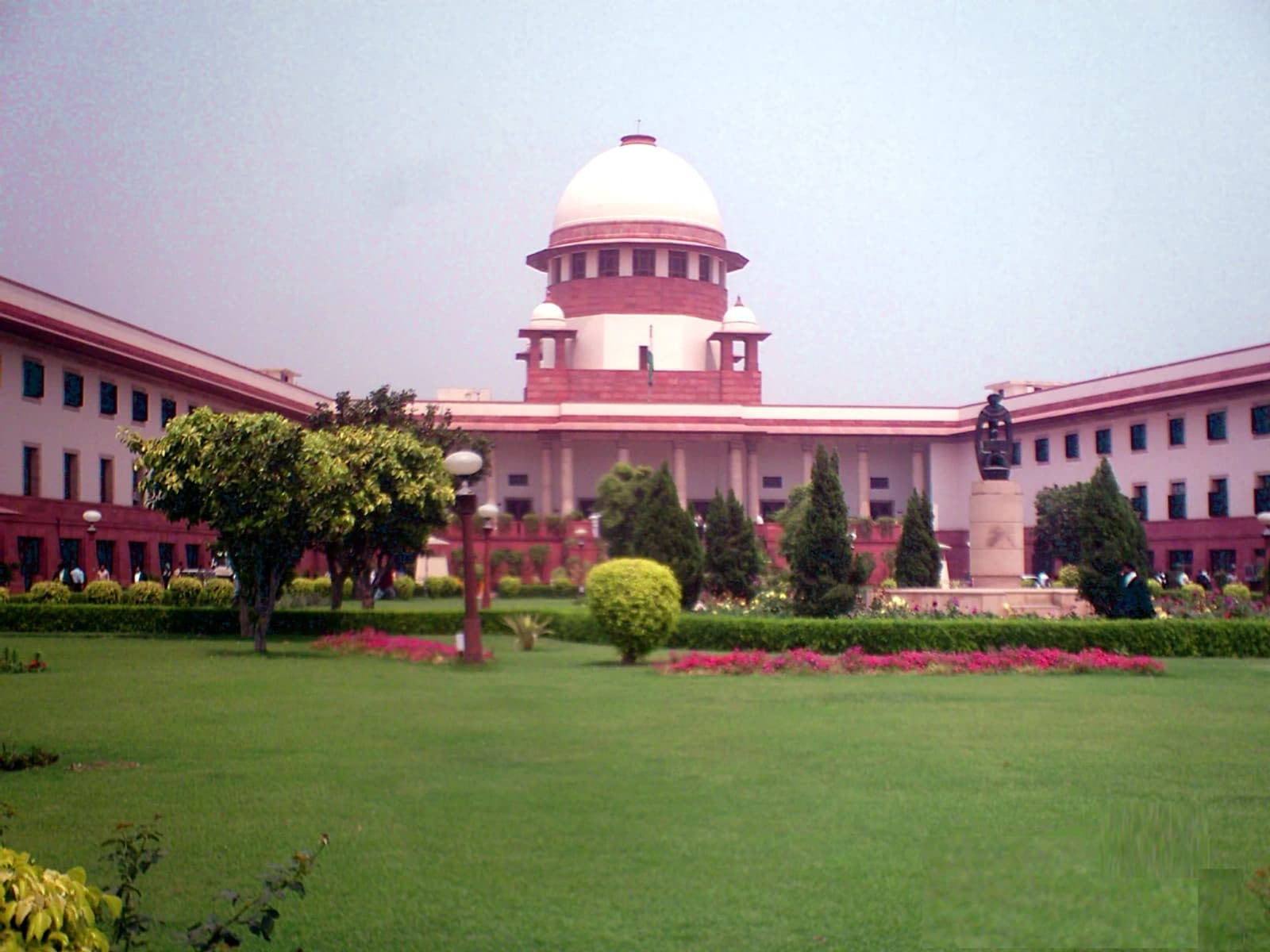
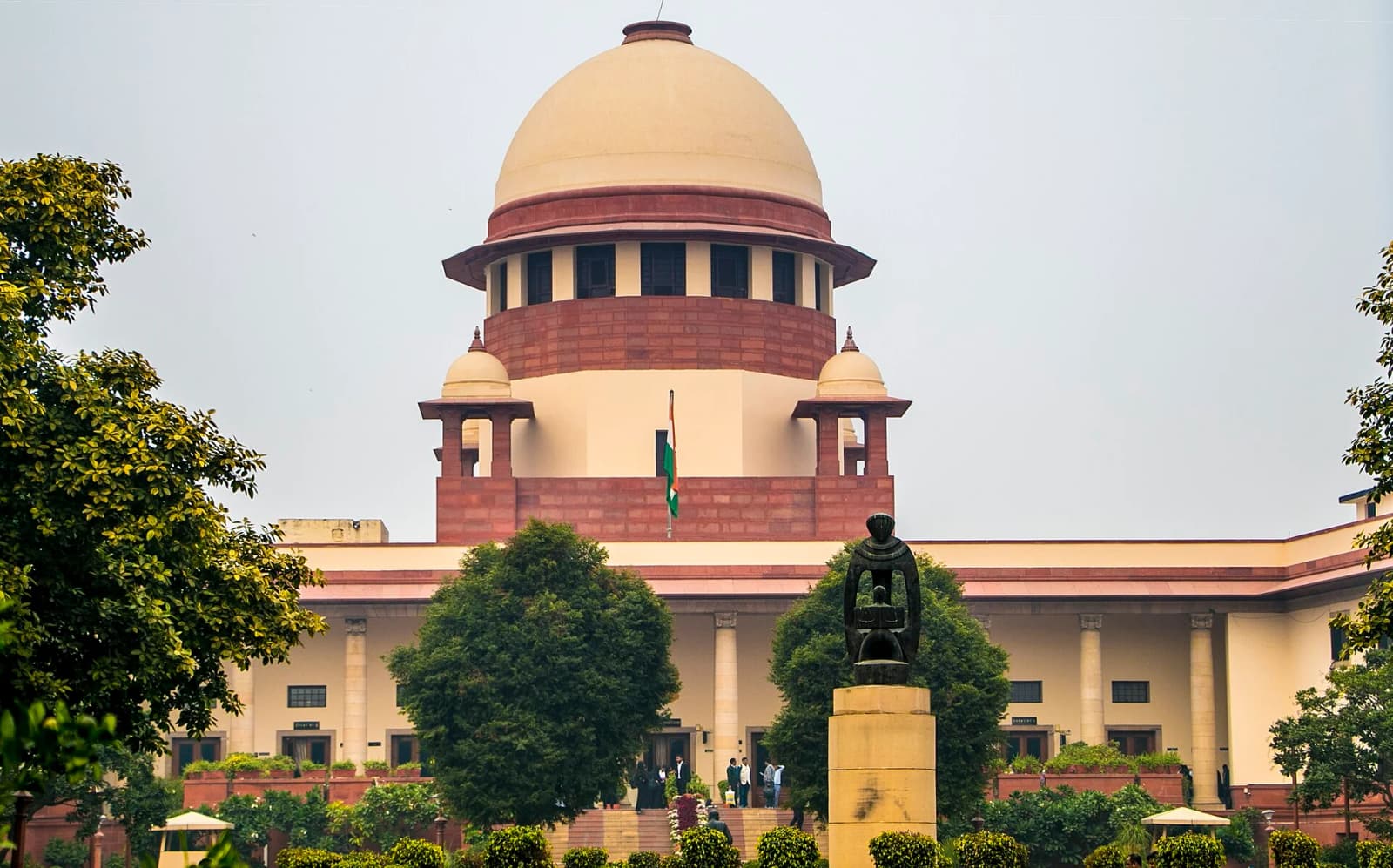
Photo source · Subhashish Panigrahi, CC BY-SA 4.0