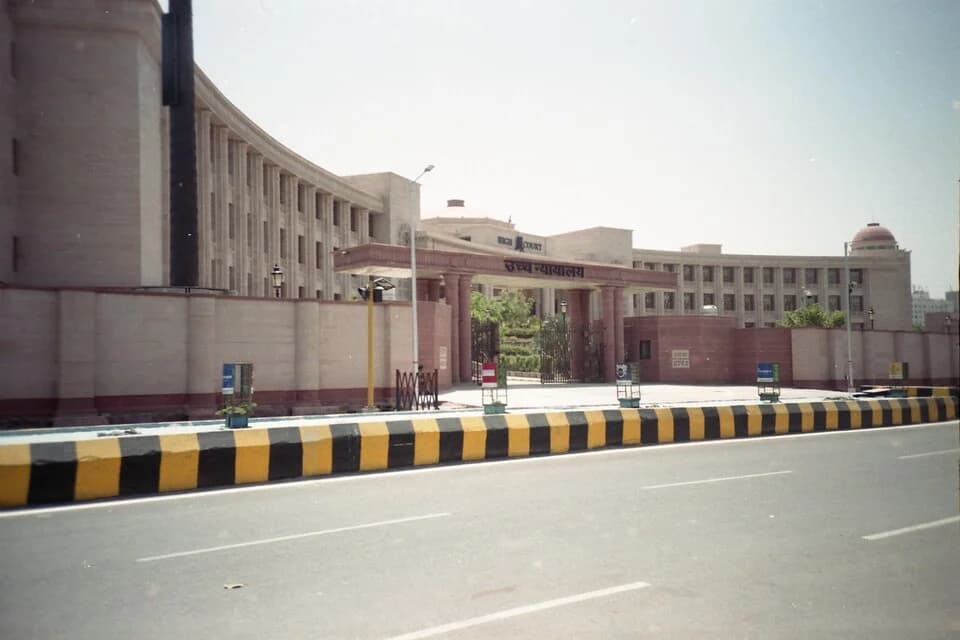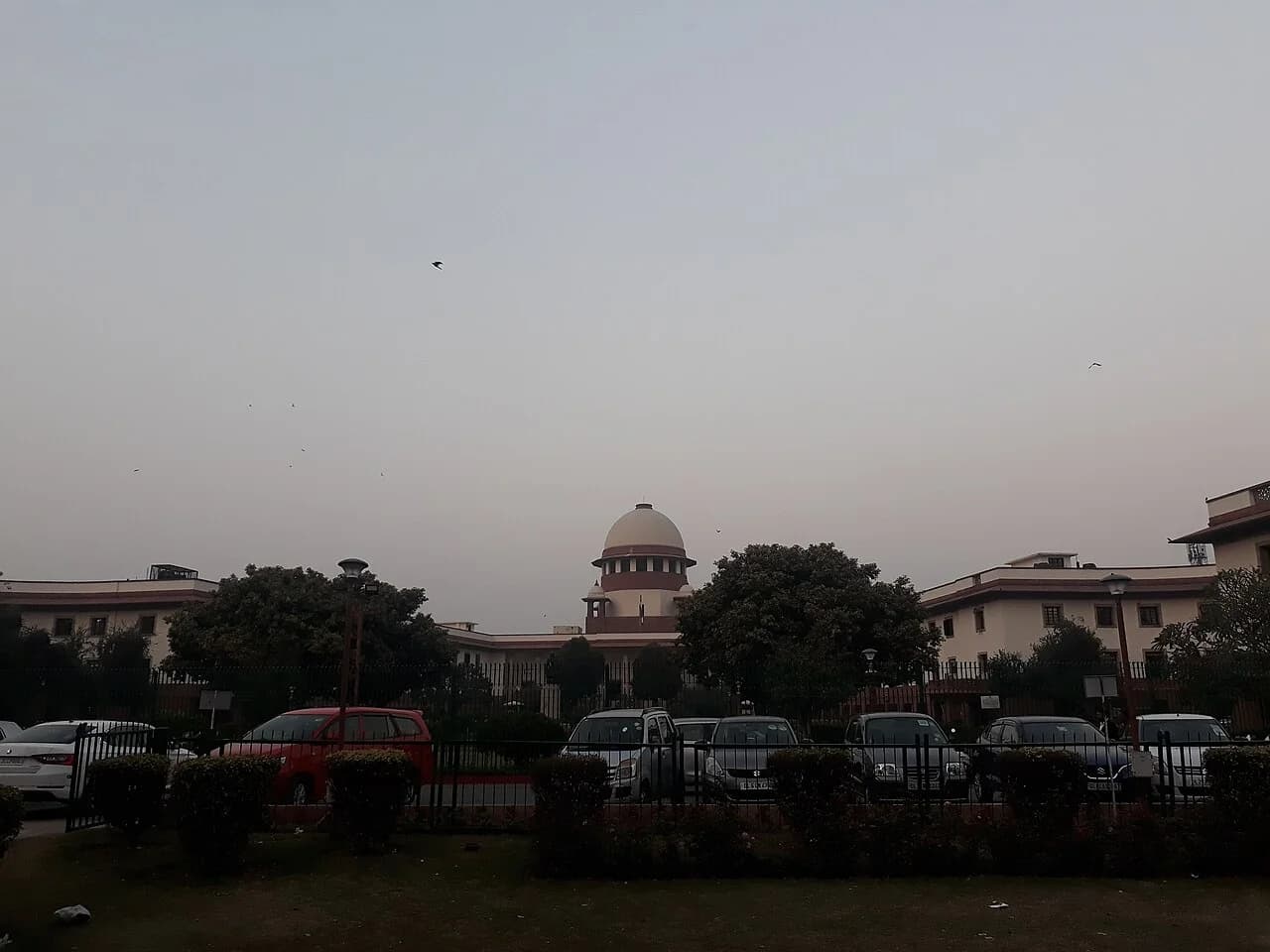
The Supreme Court of India in New Delhi has held that a builder's alleged breaches of the real estate law cannot, by themselves, be used to prosecute the bank or finance company that lent it money, and that a magistrate who orders an FIR after the police have found no offence must say why. The judgment, made public on 20 November 2026, quashed a Delhi Police Economic Offences Wing (EOW) case against L&T Finance Limited and Edelweiss Asset Reconstruction Company Limited (EARC).
A bench of Justices Vikram Nath and Sandeep Mehta allowed two criminal appeals and set aside an August 2025 Delhi High Court judgment that had refused to quash the FIR. Justice Mehta wrote the 68-page judgment.
What was the dispute about?
It began as a disagreement over money owed under a land development deal in Gurugram, Haryana. According to the judgment, a group of landowners holding about 24 acres in Sector 99A had tied up with Raheja Developers Limited to build a housing project. In 2016 L&T sanctioned the developer a loan of ₹450 crore across four projects, raised to ₹620 crore in 2018, and in December 2019 the loan was assigned to EARC.
The landowners said the lender approved and enlarged the facility without their consent, issued no-objection certificates for unit sales and let project receivables go towards loan repayment instead of their revenue share. They complained to the EOW in June 2022. After a preliminary enquiry, the EOW told them in November 2022 that no cognizable offence was made out, and a later police Action Taken Report said the same.
On 15 January 2025, however, the Chief Judicial Magistrate at Saket Courts ordered an FIR, which was registered the next day for criminal breach of trust, cheating and criminal conspiracy under the Indian Penal Code.
What did the Supreme Court decide?
The bench made three main findings:
- Reasons are mandatory: A magistrate is not bound by a police report finding no offence, but if he disagrees, his order must give reasons, however brief. The court said this is "a requirement of law, not merely a matter of desirability", and that an order rejecting the police view "on a mere ipse dixit cannot be tested". The provision involved was Section 156(3) of the old Criminal Procedure Code, now Section 175(3) of the Bharatiya Nagarik Suraksha Sanhita.
- RERA is not a criminal shortcut against lenders: Obligations under the Real Estate (Regulation and Development) Act rest mainly on the promoter and are enforced through that law's own machinery. They cannot be the foundation for prosecuting a lender that is not the regulated entity unless the specific ingredients of an IPC offence exist.
- A civil dispute in criminal clothing: The court found no entrustment, deception or conspiracy by either lender. It noted that EARC entered the picture only in December 2019, after every transaction complained of.
The judges also pointed to the landowners' own conduct. They had pursued insolvency, arbitration and SARFAESI proceedings over the same grievance, and in an August 2022 email offered to withdraw their cases against the developer and lenders for a payment of ₹80 crore. The bench said the lenders had been implicated to pressure a settlement and that continuing the FIR against them would be "a gross abuse of the process of the court".
Who is still affected?
The judgment applies only to L&T, EARC and their officers and employees. Proceedings against Raheja Developers Limited and its chairman-cum-managing director Navin M. Raheja, who were not before the court, will continue in accordance with law, and the court said nothing in its ruling is an opinion on the allegations against them. The landowners remain free to pursue civil, arbitral and statutory remedies, including any claim over their security interest.
Why it matters
Lenders to stalled projects are often named alongside developers in police complaints. The ruling draws a line between a lender's commercial decisions and criminal liability, and it tells trial courts that an order setting the criminal law in motion against the police's own findings must show its reasoning. MapMyTimes recently reported a related theme from Madhya Pradesh, where the MP High Court ordered Canara Bank to lift a debit freeze imposed without an FIR.
Photo source · Pinakpani, CC BY-SA 4.0