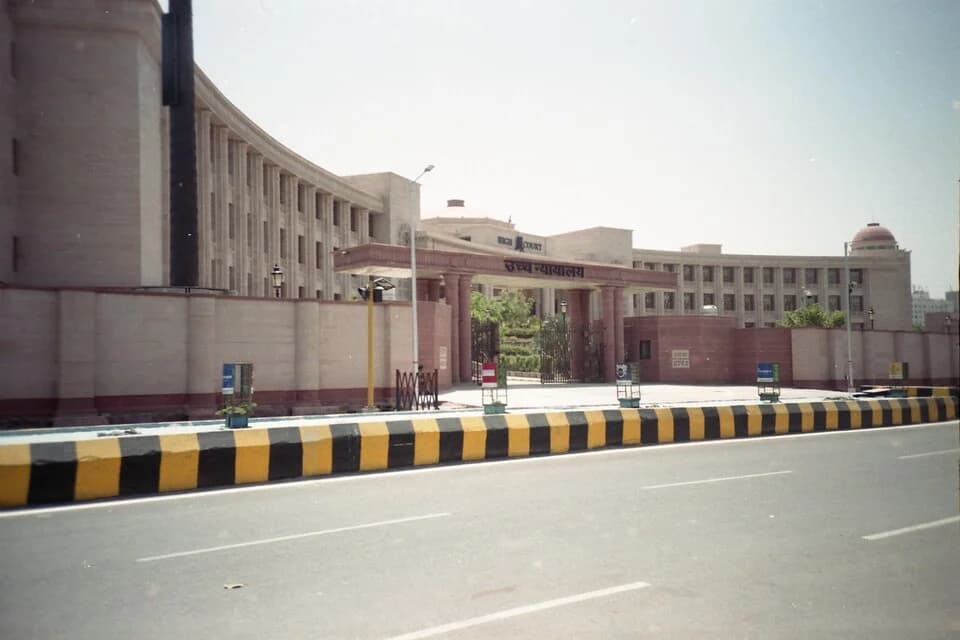
The Allahabad High Court's Lucknow bench has asked Uttar Pradesh's top home department official to explain on affidavit why police are still registering FIRs under the state's Gangsters Act months after the Supreme Court called the 1986 law "stillborn". The order, reported on 21 November 2026, came on a petition from Ambedkar Nagar district and also stayed the FIR against the petitioner.
A Division Bench of Justices Abdul Moin and Pramod Kumar Srivastava directed the Additional Chief Secretary (Home) to file a personal affidavit within three weeks, according to reports by LiveLaw and LawTrend. If the affidavit is not filed, the officer must appear in person with the relevant records. The matter is listed for 15 December.
What did the High Court ask the state to explain?
The court wants three things from the Additional Chief Secretary: why FIRs under the Uttar Pradesh Gangsters and Anti-Social Activities (Prevention) Act, 1986 are still being registered, what action is proposed against the officials responsible, and what remedial steps the government will take.
The bench said that once the Supreme Court had laid down the law on the Act, there could be no occasion for authorities to keep registering such FIRs. As reported, the state's counsel did not dispute this. The judges said the continued registrations were forcing people to come to the High Court and costing the constitutional court "precious judicial time". LawTrend reported that the bench also noted that Additional Government Advocates had already raised the issue with the authorities, without corrective action.
Whose case was it?
The petitioner, Brijesh Kumar alias Banty Verma, challenged an FIR registered against him on 23 October 2026 under Section 3(1) of the Act at Akbarpur police station in Ambedkar Nagar. The court stayed that FIR until further orders and barred further proceedings under it.
What did the Supreme Court say about the Act?
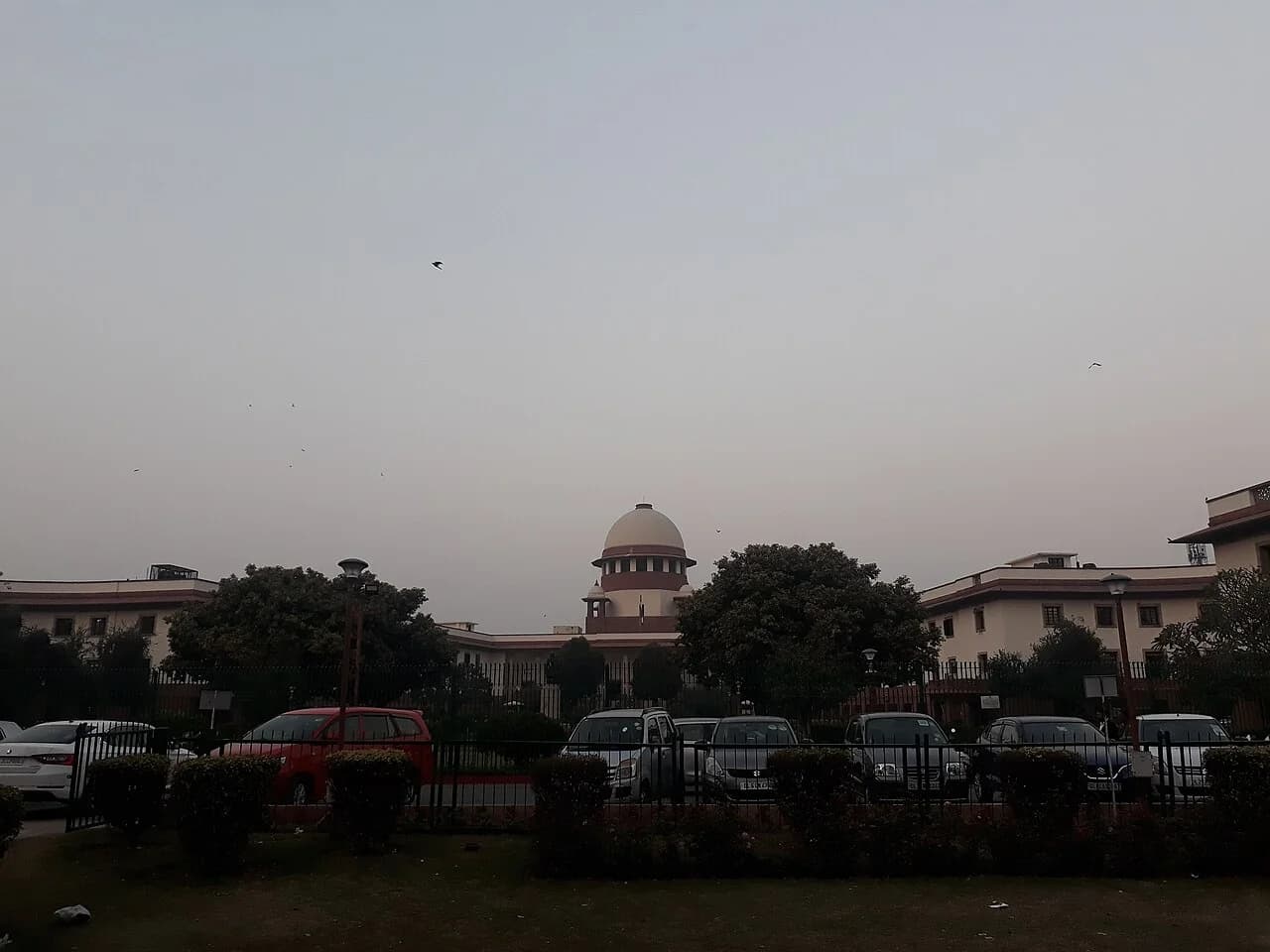
In its judgment of 20 August 2026 in Shiv Pratap Singh alias Chinu v. State of U.P., a Supreme Court bench of Justices J.B. Pardiwala and K. Vinod Chandran held that the Act defines "gang" and "gangster" and prescribes punishment but does not create a distinct offence, which made it "stillborn". The court said the law, on the pretext of curbing violence, was "in fact perpetuating it on un-suspecting citizens".
The Supreme Court was careful about the limits of its ruling. It said it had not examined the Act's constitutional validity, had not approved the Allahabad High Court Full Bench decision that upheld it, and that charges under other penal laws would continue in the ordinary way.
Is the Act still in force?
That question has produced different emphases within the High Court itself. On 19 November 2026, another Division Bench of Justices Chandra Dhari Singh and Tarun Saxena held, according to LiveLaw, that the Act remains operative because the Supreme Court did not declare it unconstitutional and the 1989 Full Bench ruling in Ashok Kumar Dixit upholding it still binds the High Court. That bench nonetheless quashed an FIR against four people and laid down 12 directions on how gang charts must be prepared, including individual reasons for each person named and recorded satisfaction at every level of approval.
The Lucknow bench's order of this week goes further on accountability, asking the state's senior-most home official to answer for continued use of the Act after the Supreme Court's verdict.
What happens next?
The Uttar Pradesh government has three weeks to file the affidavit. The bench will take up the case again on 15 December, when it is expected to examine the state's explanation and any steps against officials. No response from the state government to the order had been reported by 21 November 2026.
Photo source · Veera.sj, CC BY-SA 4.0