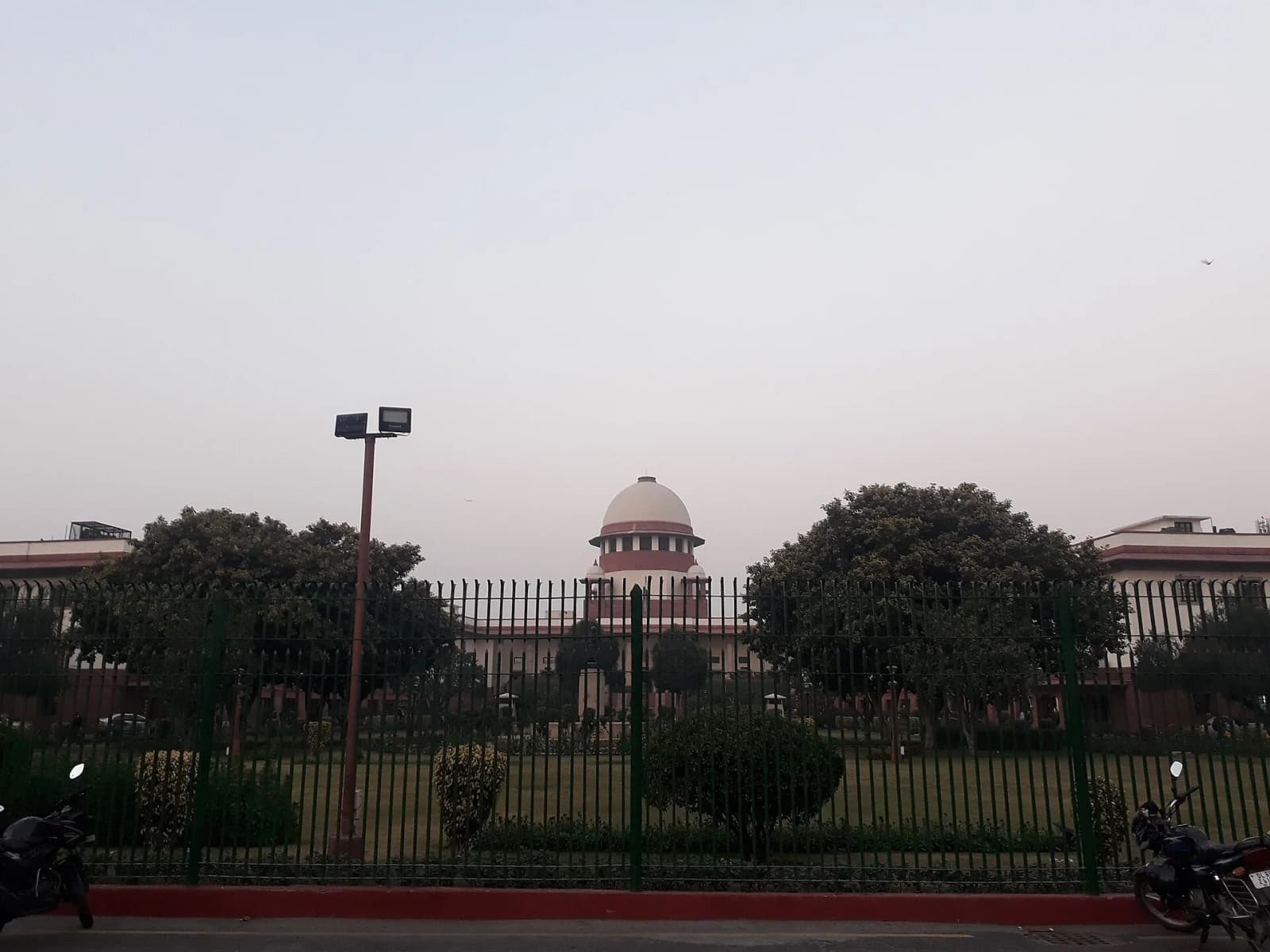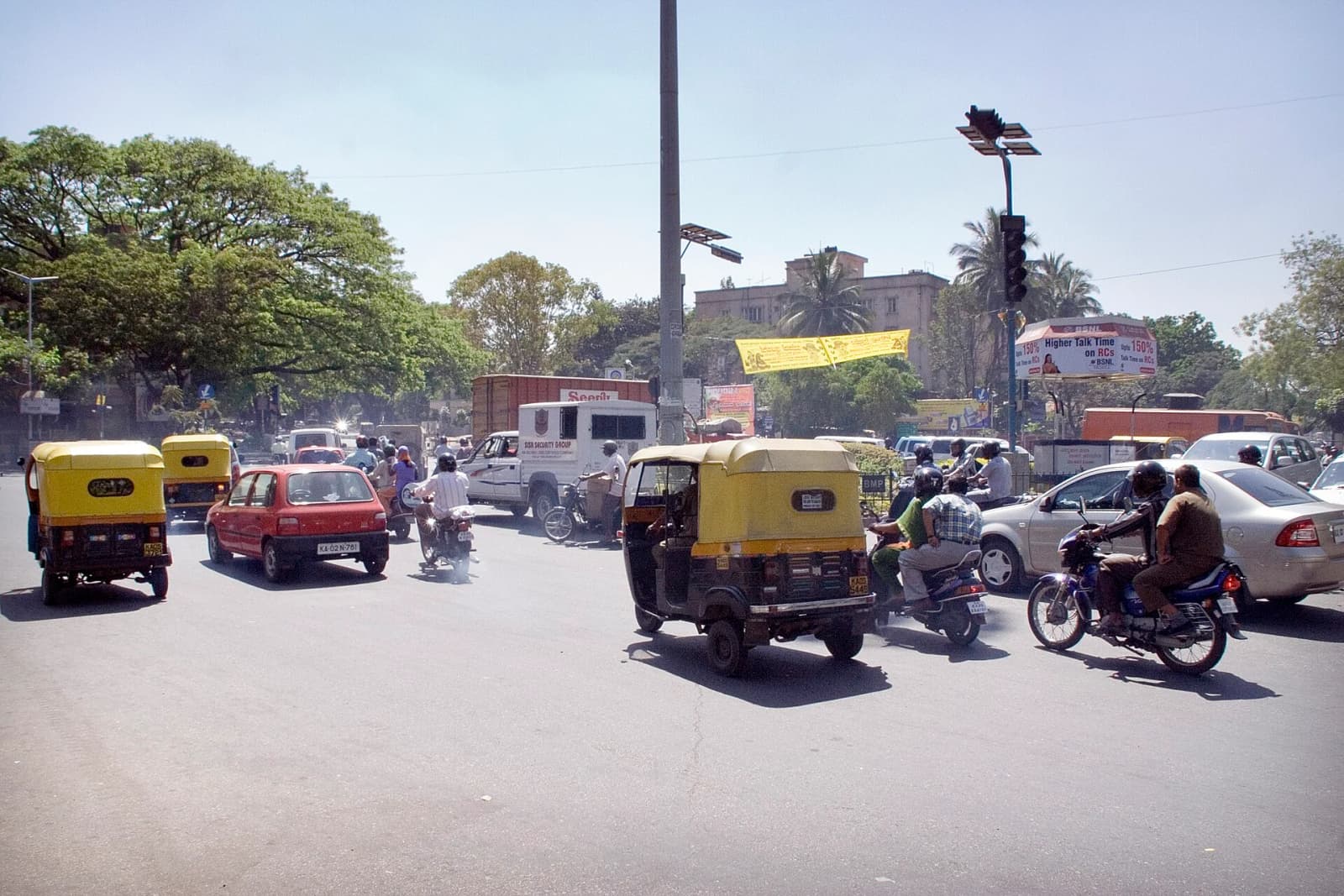
The Supreme Court of India on 20 November 2026 dismissed the Karnataka government's appeal seeking to bring back its ban on bike taxis, leaving in place a High Court ruling that lets motorcycles be registered and run as for-hire vehicles in the state, including in Bengaluru. A bench of Justice Satish Chandra Sharma and Justice N Kotiswar Singh turned down the state's special leave petition, LiveLaw reported.
What did the Supreme Court decide?
The court refused to interfere with the Karnataka High Court's January 2026 judgment that had set aside the ban, so bike taxi operators and owners can continue to seek registration and permits under that judgment. The state had argued that motorcycles should not be used to carry paying passengers.
During the hearing, Justice Sharma said it was better to regulate bike taxis than to ban them and noted that they already operate in 25 states, according to LiveLaw. He also remarked that the GPS tracking on such rides made them safer for young women and that auto-rickshaw fares were far higher. Bar and Bench reported that the judge recalled speaking to young women in his office who use bike taxis because they cannot afford cabs, and said an auto costs "five times" as much. The bench also questioned the state's argument on congestion, observing that motorcycles occupy less road space than cars.
What did the High Court say in January?
On 23 January 2026, a division bench of Chief Justice Vibhu Bakhru and Justice C M Joshi allowed appeals filed by aggregators Ola, Uber and Rapido, motorcycle owners and the Bike Taxi Welfare Association. The bench held that motorcycles can be registered as transport vehicles and operated as contract carriages, and that the state cannot refuse a permit simply because the vehicle is a motorcycle. It said Regional Transport Authorities may attach conditions under Section 74(2) of the Motor Vehicles Act, 1988, and directed authorities to consider applications for registration and permits.
That ruling reversed an April 2025 order of a single judge, who had held that bike taxi aggregators could not operate until the state notified guidelines under the Motor Vehicles Act. After that order, and an extension of the deadline, bike taxi services were required to stop from 16 June 2025.
What were the arguments?
Karnataka, represented by senior advocates Vikas Singh and Parag Tripathi, argued that the Motor Vehicles Act treats motorcycles and motor cabs separately and that the state's aggregator rules do not provide for bike taxis. It relied on a 2019 expert committee report on safety, congestion and pollution, and raised concerns over passenger safety and insurance cover. According to Bar and Bench, the state told the court it could consider allowing bike taxis elsewhere in Karnataka but opposed them in Bengaluru.
The aggregators, represented by senior advocates including Abhishek Manu Singhvi for Uber and Neeraj Kishan Kaul for Rapido, argued that the ban violated their right to carry on trade under Article 19(1)(g) of the Constitution and that the state could not override the Motor Vehicles Act through executive action. They said about 4.5 lakh passengers in Karnataka use bike taxis and relied on central notifications from 2004 and 2024; the Centre confirmed before the court that motorcycles can be used as taxis under those notifications. Five auto-rickshaw and taxi drivers' associations had backed the state, arguing that bike taxis would compete without comparable regulatory obligations.
Why it matters
Bengaluru is one of India's largest markets for app-based rides, and the dispute has been running since the single judge's 2025 order. The Supreme Court's refusal to intervene settles, for now, the question of whether Karnataka can ban the service outright. It comes days after the Union government's revised rules for ride-hailing apps, which MapMyTimes explained in this guide to the cab aggregator guidelines.
What happens next
With the High Court's directions now final, aggregators and motorcycle owners can apply for registration and contract carriage permits, and the state must consider those applications according to law. Transport authorities may still impose conditions on such permits. The Karnataka government has not yet said publicly whether it will frame specific bike taxi rules.
Photo source · Eirik Refsdal, CC BY 2.0