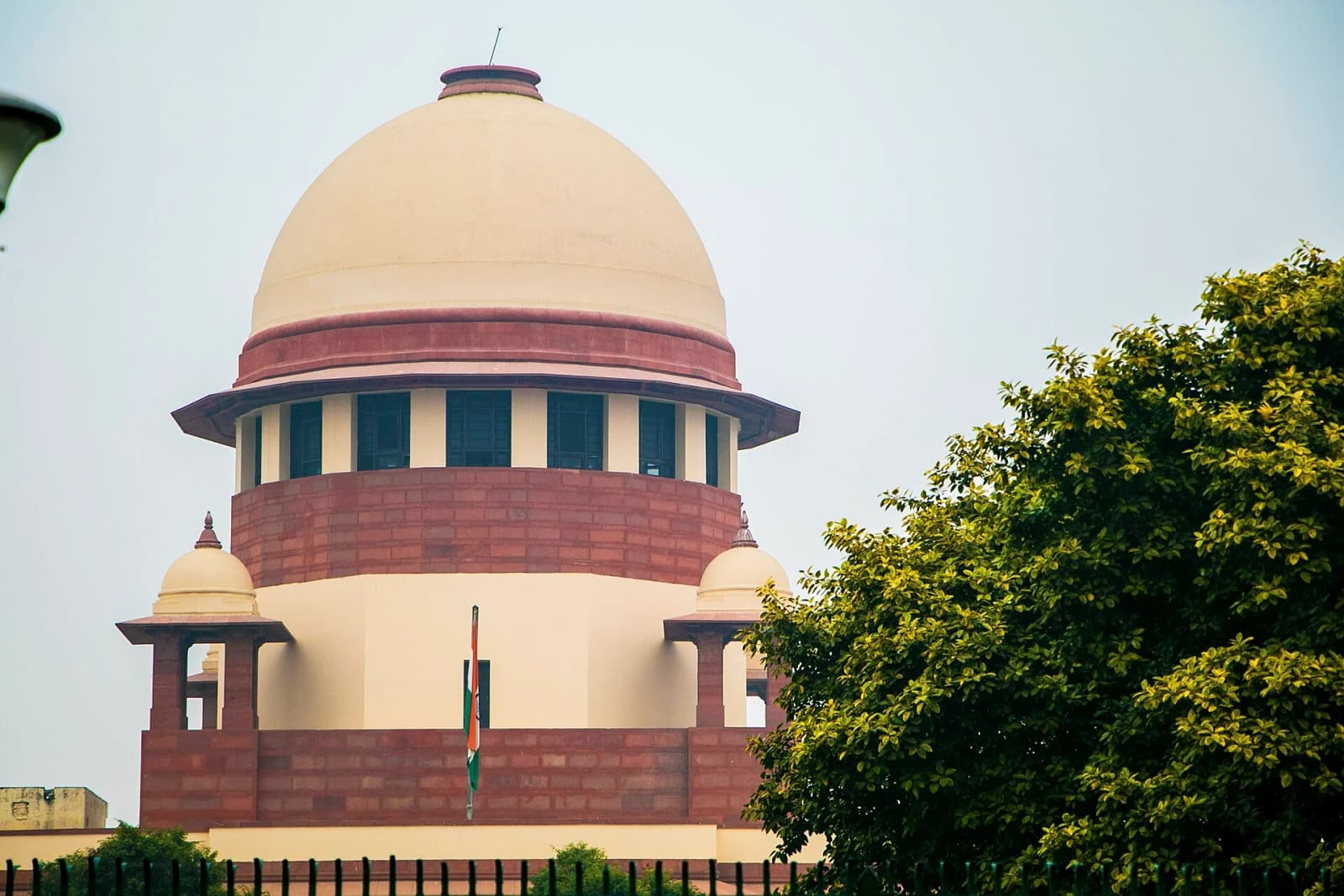
The Supreme Court on Monday, 16 November, awarded Rs 30 lakh in compensation to a Chhattisgarh man who stayed in prison for more than seven years after the High Court had acquitted him, because word of his acquittal never reached the jail. According to legal news portal LiveLaw, the court called the episode a failure of the criminal justice administration and pointed to the absence of any law in India that compensates people for wrongful incarceration.
Acquitted in 2018, released in 2025
The appeal was filed by Devilal Gond and heard by a bench of Justice Augustine George Masih and Justice Sanjeev Sachdeva, LiveLaw reported. Gond was arrested on 7 December 2012 in a murder case. A Sessions Court convicted him on 14 August 2013 under Section 302 of the Indian Penal Code and sentenced him to life imprisonment.
The Chhattisgarh High Court set aside the conviction and sentence on 20 January 2018. The State did not challenge that verdict, so the acquittal became final. Yet Gond remained behind bars until 19 May 2025 — over seven years and three months after he had been cleared.
How the lapse happened
According to the report, the State told the court that the error came to light only on 15 May 2025, during a records-verification exercise on appeals filed by prisoners lodged in the Central Jail. It attributed the lapse to a communication and coordination gap between jail authorities and legal aid officials.
The jail superintendent had reportedly written to the panel lawyer concerned in April and June 2018 asking about the status of Gond's criminal appeal, but information about the acquittal did not reach the prison.
The Supreme Court was not persuaded. It said the explanation showed "complete remissness" on the part of the authorities and reflected a lack of coordination and institutional dysfunction, LiveLaw reported.
"The Appellant lost his prime youth on account of the apathy and lack of promptitude on the part of the authorities," Justice Sanjeev Sachdeva, who wrote the judgment, observed.
The court noted that Gond was around 28 years old when he was acquitted and about 35 when he finally walked out. In those years, it said, he lost his liberty, his livelihood and earning opportunities, and his prospects of education and skill development.
From Rs 2 lakh to Rs 30 lakh
The Chhattisgarh High Court had earlier awarded Gond Rs 2 lakh as compensation. Dissatisfied with that amount, he approached the Supreme Court, which has now raised the sum to Rs 30 lakh.
In doing so, the bench noted that India has no legislative mechanism laying down the principles or parameters for compensating people who have suffered wrongful incarceration, and underscored the need for one.
What the court wants High Courts to do
The judgment goes beyond the individual case. The Supreme Court asked all High Courts to consider issuing directions similar to those issued by the Madhya Pradesh High Court, and to consider setting up an Online Criminal Justice Ecosystem so that judicial orders are communicated and implemented on time.
The court described the Madhya Pradesh system as an integrated platform for police, courts, prisons, prosecution, forensics and hospitals that allows court orders, case diaries and medical and forensic reports to be shared promptly and securely among them, and that digitises the bail-processing workflow.
What happens next
The bench ordered that a copy of the judgment be sent to the Registrar Generals of all High Courts, to be placed before their respective Chief Justices for consideration.
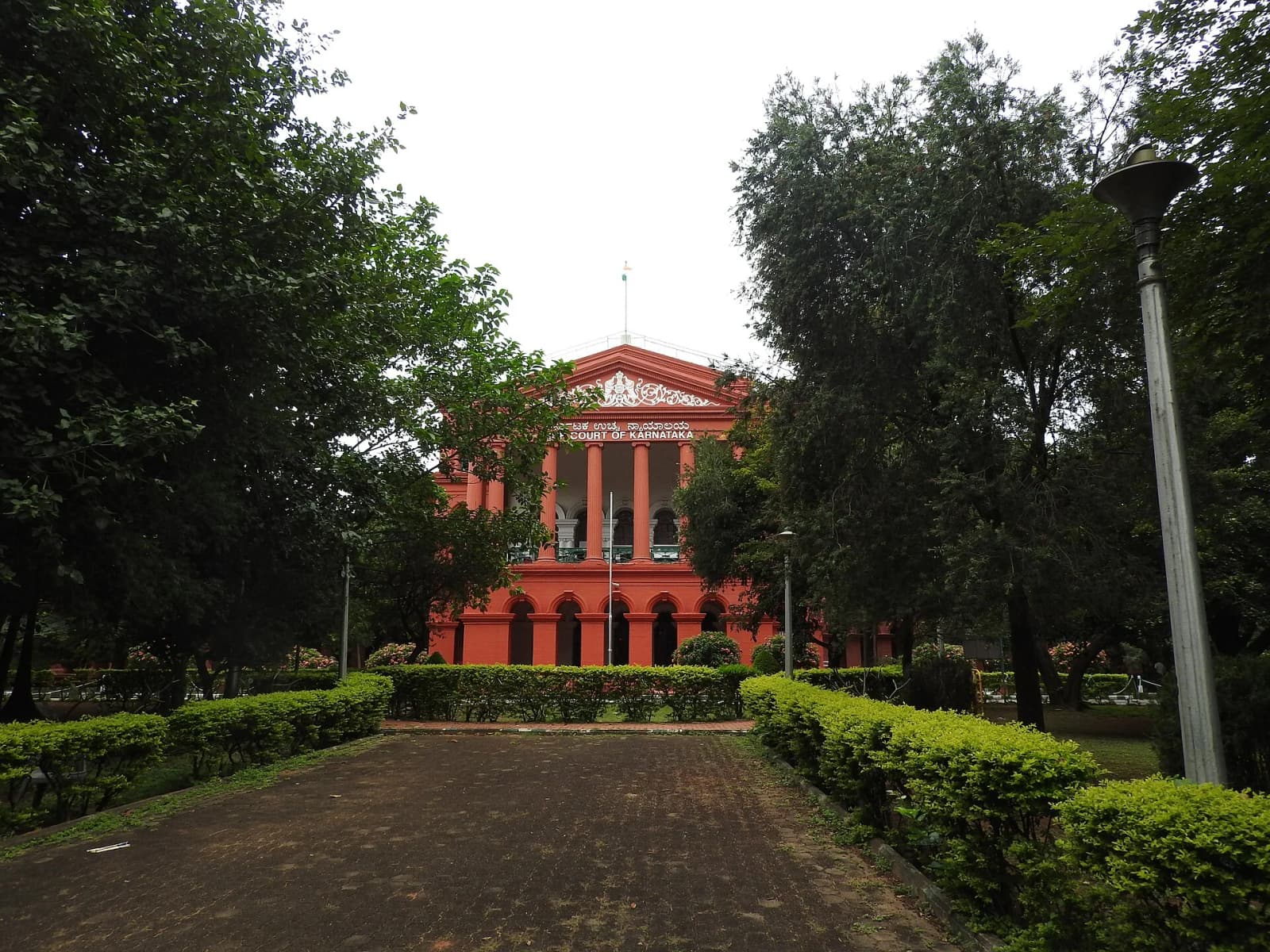
PS · Subhashish Panigrahi, CC BY-SA 4.0