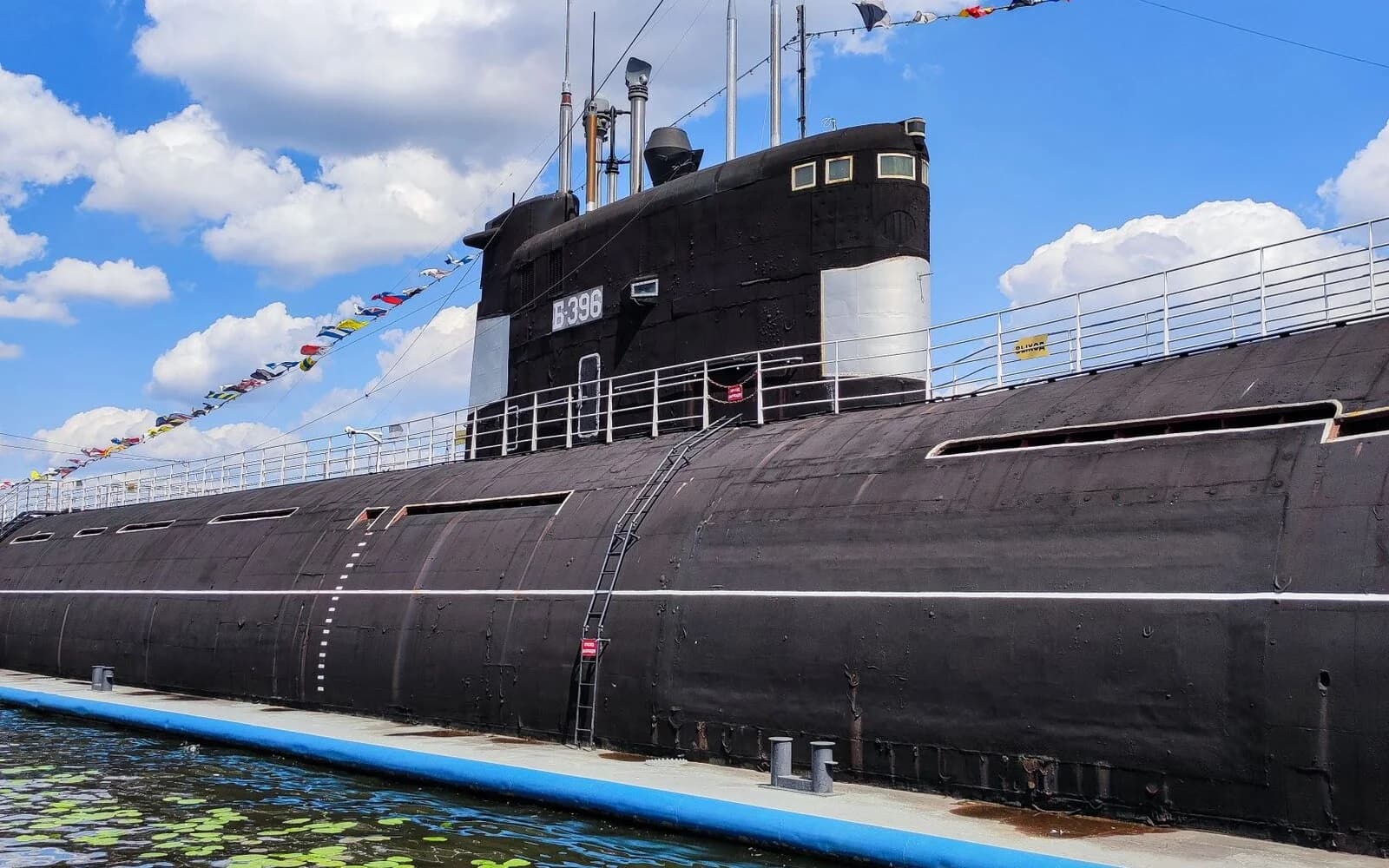
Russian President Vladimir Putin attended a ceremony in Severodvinsk, in Russia's northwestern Arkhangelsk Region, on 27 November 2026 at which the naval ensign was raised for the first time on the nuclear-powered submarine Perm, formally bringing the Yasen-M class boat into service with the Russian Navy. According to the state news agency TASS, the Perm is the first submarine built from the outset as a standard carrier of the Zircon hypersonic cruise missile.
What happened at Sevmash?
The Perm was commissioned in a flag-raising ceremony at the Sevmash shipyard, where Putin was greeted by Navy Commander-in-Chief Admiral Alexander Moiseyev, Arkhangelsk Region Governor Alexander Tsybulsky, presidential envoy to the Northwestern Federal District Igor Rudenya and presidential aide Alexey Dyumin, TASS reported. The St Andrew's flag, the Russian Navy ensign, was hoisted over the vessel, and Putin congratulated the crew and the shipbuilders, design bureaus and suppliers who worked on it.
TASS said the submarine was designed by the Malachite naval engineering bureau in St Petersburg, laid down in 2016 and launched in 2025, and that its acceptance certificate was signed at Sevmash on 10 November. Al Jazeera, citing video released by the Kremlin, described the ceremony as the formal transfer of the submarine to the navy.
What did Putin say?
Putin called the Perm a weapon "of global scale and significance", according to TASS, and said Russia is one of only a few countries able to build nuclear submarines of this kind. He said it was the fifth Yasen-M class submarine handed to the fleet in the last six years and that it would significantly strengthen the combat power of Russia's Pacific Fleet.
He said the Yasen-M class can use all types of sea-launched cruise missiles, and Admiral Moiseyev described the class's strike capabilities as unique. Al Jazeera reported Putin as saying the new submarines can operate in any part of the world's oceans.
Why does it matter?
Nuclear-powered submarines are a central part of Russia's deterrent because they can operate covertly underwater for long periods, preserving the option of a retaliatory strike, Al Jazeera noted. The Zircon is a hypersonic cruise missile that Moscow presents as a key new capability, and the Perm is the first boat for which it is the standard weapon rather than a later addition, according to TASS.
The Perm's assignment to the Pacific Fleet means the new capability will be based far from the Arctic yard where it was built.
What happens next?
Putin said Russia's navy is set to receive five more missile-carrying submarines by 2030. According to TASS, two Borei-A class strategic missile submarines and five further Yasen-M class submarines are under construction at different stages. Putin said Russia would keep modernising its fleet and expressed confidence that its naval shipbuilding plans would be carried out on time.
The reports did not give official figures for the Perm's displacement, crew size, the Zircon missile's range or the cost of the programme, and these details have not been independently confirmed.