Spaniards vote on Sunday, November 29, 2026, in the country’s sixth general election in 11 years — a high-stakes snap ballot that could end eight years of Socialist-led rule and bring the far-right Vox party into national government for the first time since the end of Franco’s dictatorship in 1975.
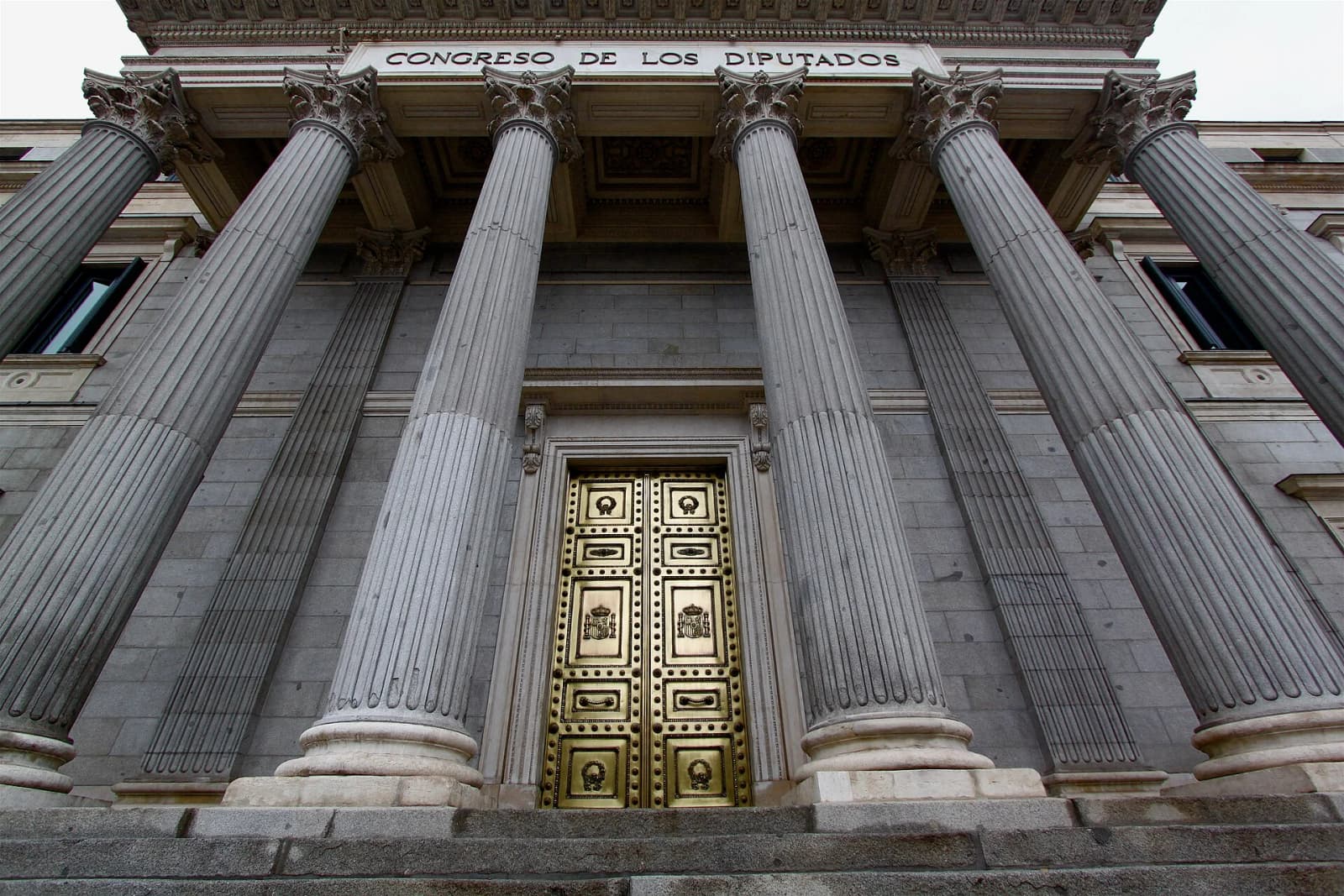
Roughly 38.7 million eligible citizens will elect all 350 members of the Congress of Deputies across 52 constituencies, alongside 209 seats in the Senate. Polling stations operate from 9 a.m. to 8 p.m. local time, with provisional results expected before midnight.
Why Pedro Sanchez Called Early Polls
Socialist Prime Minister Pedro Sanchez called the early vote on October 5 after the conservative People’s Party (PP), far-right Vox, and Catalan party Junts rejected emergency housing relief proposals. According to Bank of Spain and Spanish Youth Council data cited in pre-election reporting, Spain faces a shortfall of 750,000 homes, while average monthly rents of €1,176 nearly match a young worker’s average monthly salary of €1,191.
Sanchez’s campaign has also contended with corruption probes involving former transport minister Jose Luis Abalos and figures close to his circle, border pressures in Ceuta, and an October 28 high-speed rail crash that killed 69 people and prompted Transport Minister Oscar Puente to resign.
Key Contenders and the 176-Seat Threshold
With 176 seats needed for a majority in Congress, pre-election polls suggest PP leader Alberto Nunez Feijoo could place first with roughly 130 seats, ahead of Sanchez’s PSOE on about 110 and Santiago Abascal’s Vox near 63. Left-wing Broad Front (Frente Amplio) led by Ada Colau and separate party Podemos remain far from a combined majority, raising the prospect of either PP-Vox coalition talks or prolonged parliamentary bargaining with Basque and Catalan regional parties.