Fifteen states and union territories will try to raise a combined ₹31,950 crore by selling bonds at an auction on Monday, 23 November 2026, the Reserve Bank of India (RBI) said in a notice issued in Mumbai on 19 November 2026. Tamil Nadu accounts for the largest share, ₹9,500 crore, spread across four securities.
Which states are borrowing, and how much?
Tamil Nadu leads the list, followed by Haryana at ₹4,000 crore, Uttar Pradesh at ₹3,500 crore, Bihar at ₹3,000 crore and Gujarat at ₹2,500 crore, according to the RBI's table. Karnataka plans to raise ₹2,000 crore, while Keralam and Chhattisgarh are seeking ₹1,500 crore each.
Smaller amounts are on offer from Uttarakhand (₹1,100 crore), Assam (₹1,000 crore), Jammu and Kashmir (₹800 crore), Sikkim (₹600 crore), Nagaland (₹450 crore), Manipur (₹300 crore) and Jharkhand (₹200 crore).
What kind of bonds are on offer?
Most of the issues are re-issues of State Government Securities already in the market, which will be auctioned on price. They include Uttar Pradesh's 7.95% bond maturing in 2051, Tamil Nadu's 8.21% bond maturing in 2051 and Haryana's 7.92% bond maturing in 2052.
The new securities will be sold on yield. These include Tamil Nadu paper of 10, 12 and 16 years, a 20-year bond from Jammu and Kashmir, a 9-year bond from Karnataka, a 14-year bond from Keralam and a 3-year bond from Sikkim.
How can individual investors take part?
Up to 10% of the notified amount of each stock is reserved for non-competitive bids from eligible individuals and institutions, the RBI said, with a single bid capped at 1% of the notified amount. Retail investors can bid through the RBI Retail Direct portal.
Bids must be placed on the RBI's E-Kuber core banking system on 23 November. Competitive bids are accepted from 10:30 am to 11:30 am and non-competitive bids from 10:30 am to 11:00 am.
What else is happening in the bond and money markets?
The state auction follows a busy week of government borrowing. In a separate release on 19 November, the RBI said the Government of India would auction ₹33,000 crore of securities on 20 November: ₹19,000 crore of the 6.53% bond maturing in 2031 and ₹14,000 crore of the 7.71% bond maturing in 2066.
The central bank also said that, after reviewing current and evolving liquidity conditions, it would hold a three-day Variable Rate Repo auction for ₹50,000 crore on 20 November, to be reversed on 23 November, the same day as the state bond sale. Earlier in the week, on 18 and 19 November, it had conducted overnight Variable Rate Reverse Repo auctions, according to its press release list.
The RBI also released its report on panchayat finances on 19 November; MapMyTimes covered what that report found about village council revenue.
What happens next?
The auction will be held on 23 November, after which the RBI will publish the results, including cut-off yields and prices for each state. The cut-off yields will show what investors are demanding to lend to each state.
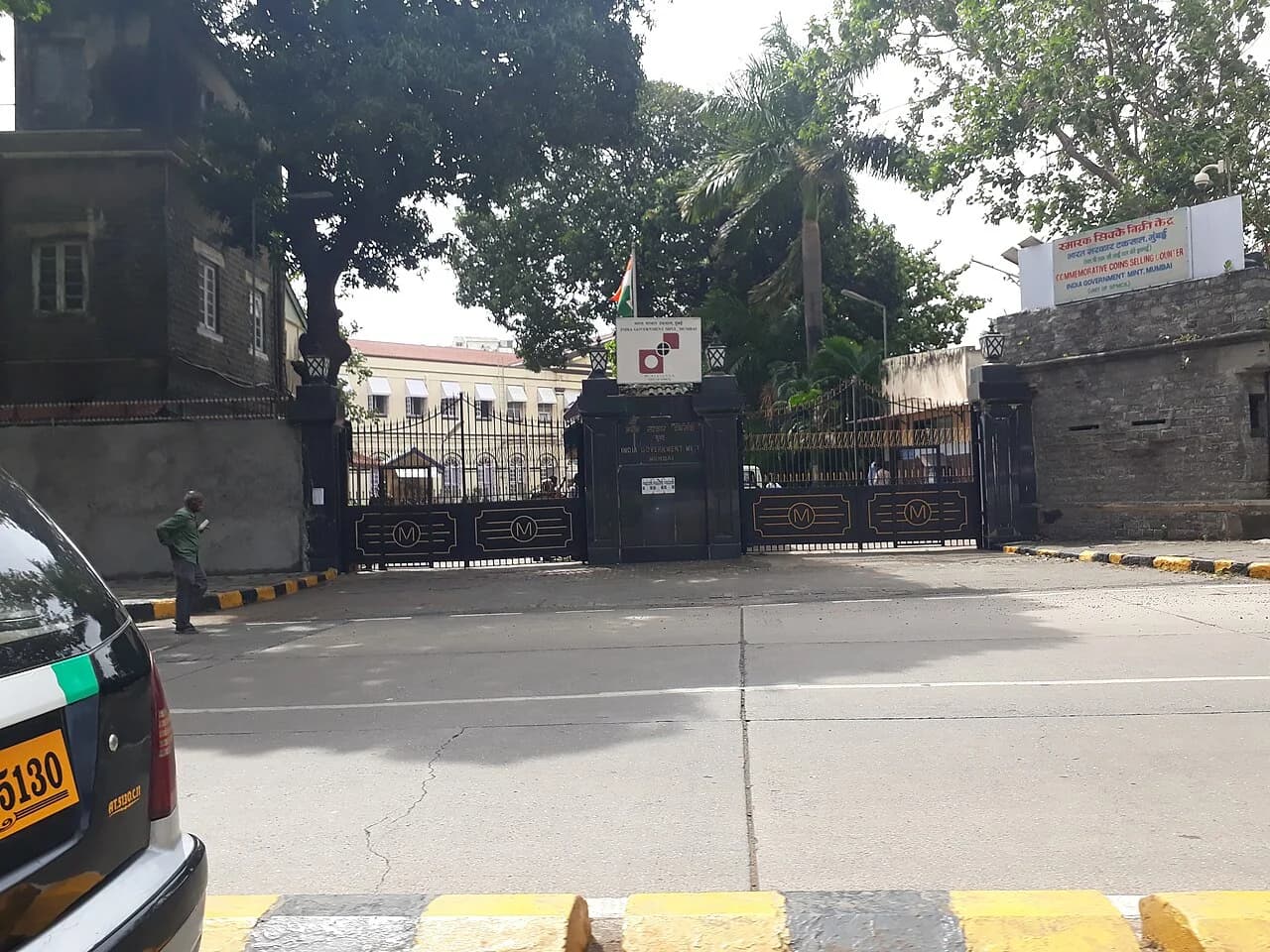
Photo source · Pinakpani, CC BY-SA 4.0