This is a MapMyTimes opinion piece. It responds to the disclosures made on 19 November 2026 by JPMorgan Chase, Visa and Mastercard that attacks on outside vendors had exposed some customer information, which we reported here.
What did the three companies actually say?
They said very little beyond the basics, and that is the problem. According to ABC7's report of the statements, JPMorgan Chase said third parties that provide services to the bank were the target of a cyberattack and that attackers appear to have reached marketing data held by those vendors, which may include some customer names and email addresses. Mastercard said a limited number of email addresses belonging to a small subset of cardholders in one benefit programme were exposed. Visa said earlier in the week that a third-party service provider in the Asia-Pacific region had been breached and that its own systems were not involved.
All three say card numbers and payment data were not affected. That is reassuring, and it should be said plainly. But none of them has named the vendors, said when the attacks happened, or said how many customers are affected.
Why does a leaked email address matter?
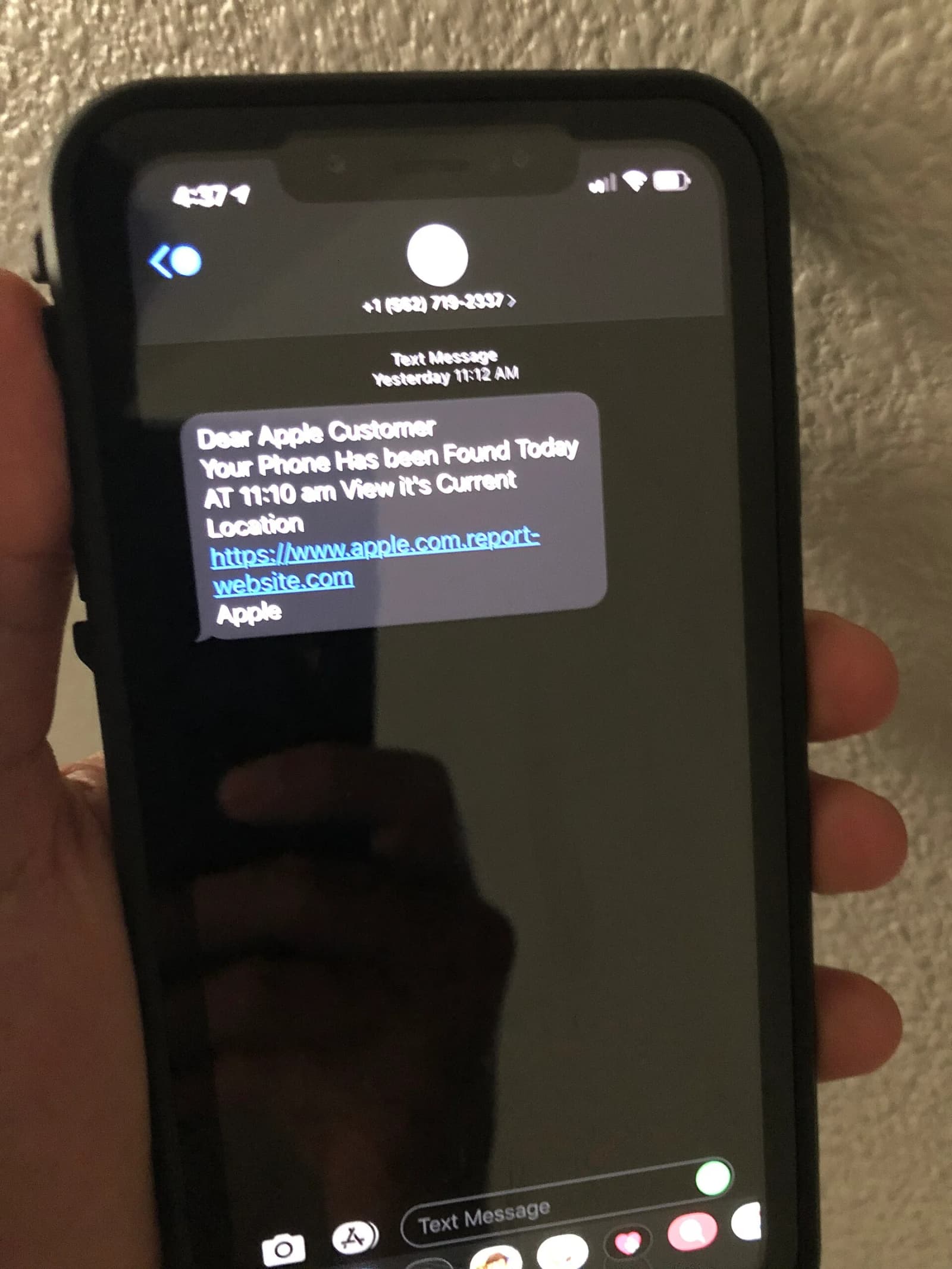
It matters because a name and an email address, tied to the knowledge that someone banks with a particular firm, is exactly what a convincing fraud message needs. A criminal who knows you hold a certain card can write to you as that card company. The damage from such a breach does not show up on the day of disclosure; it arrives weeks later in inboxes.
That is why the gaps in these statements are not a technicality. Customers cannot judge their own risk if they do not know whether they were in the affected group, which country the data relates to, or which outside firm held it. Visa's own reference to a provider in the Asia-Pacific region shows the exposure may not be limited to American customers.
Is there a fair case for saying less?
There is, and it deserves a hearing. Companies in the middle of an investigation often do not yet know the full scope of what was taken, and early numbers can turn out wrong. Naming a vendor before its systems are secured could, in theory, invite further attacks. A ransomware group called n0n has claimed responsibility, but, as our news report noted, that claim has not been verified and no company has confirmed it. Firms are right not to amplify an unverified extortion claim.
There is also credit due. All three disclosed the incidents rather than waiting, and JPMorgan said it found no connection between the breach and the service disruptions some of its customers faced earlier in the week. JPMorgan has said it will contact affected customers directly where appropriate.
What would better disclosure look like?
None of this justifies leaving customers guessing for long. A reasonable standard would be simple. Within days, not months, each company should tell customers whether they were affected, which categories of data were involved, which regions are covered and roughly when the intrusion took place. Once the systems are secure, the vendors should be named, because outside suppliers that hold customer data are part of the service customers are paying for.
Above all, banks and card networks should tell customers, clearly and repeatedly, through which channels they will make contact, so that a message arriving by any other route can be treated as suspect. In the meantime, the sensible course for anyone who banks with these firms is to treat unexpected messages asking for card details, PINs or one-time passwords with caution.
The weak link in modern finance is often not the bank's own vault but the marketing firm, call centre or software provider down the chain. Companies that rely on such vendors should be held to the same standard of openness when those vendors fail. Saying "your card is safe" is a start; telling customers exactly what is not safe is the job.
Photo source · Johnathan.g.freeman, CC BY-SA 4.0