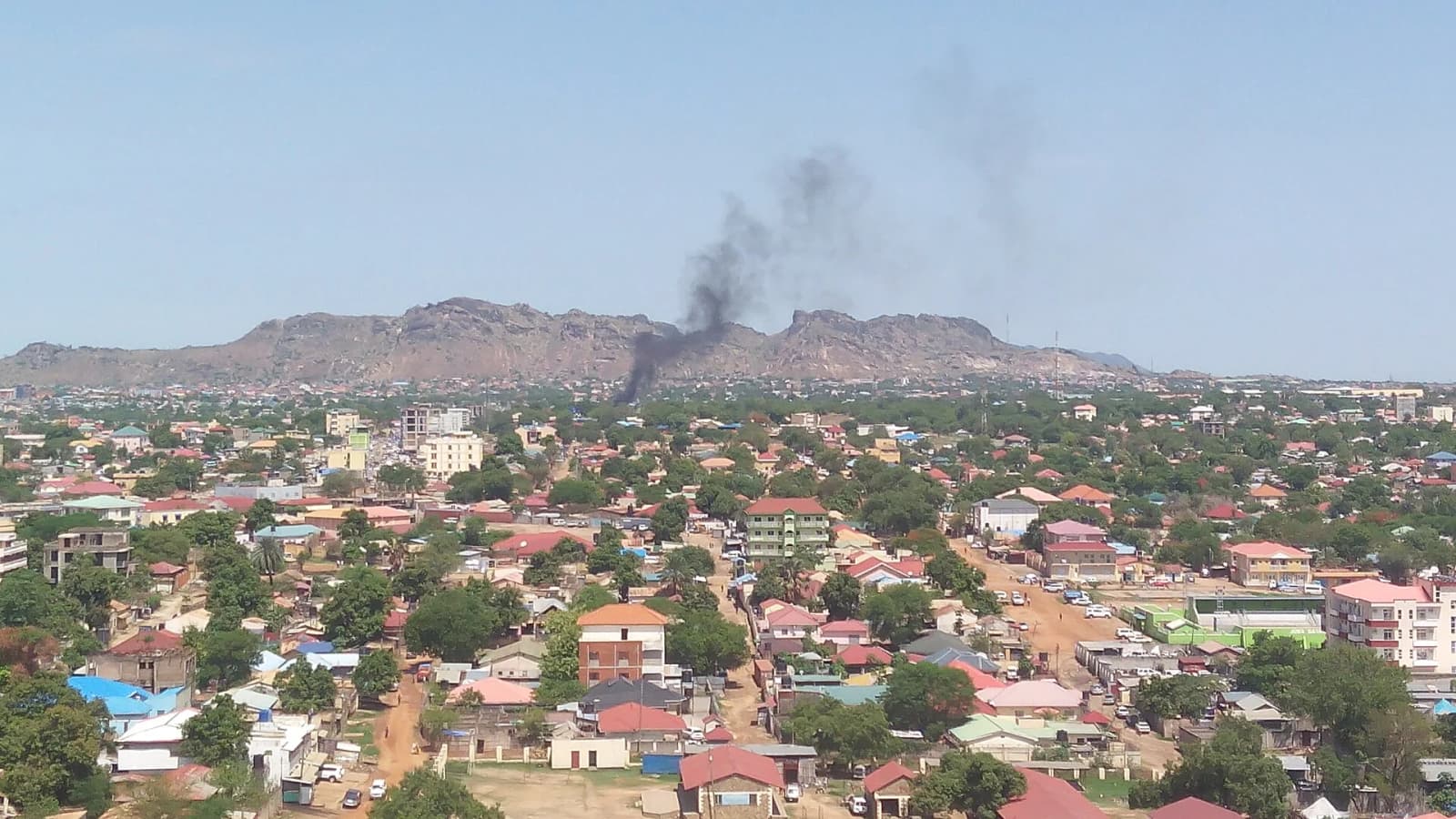
South Sudan has pushed back its first-ever national elections once again. The country's National Elections Commission (NEC) has moved presidential and parliamentary polling from 22 December 2026 to 11 February 2027, and on Saturday, 14 November, it formally opened voter registration in the capital, Juba.
The revised electoral calendar adds 51 days to the process. According to reports by Al Jazeera and the South Sudanese outlet Sudans Post, which saw the updated timetable, the commission did not give any reason for the change.
A crowded new timetable
Under the new schedule, voter registration runs for 15 days, from 14 to 28 November. A provisional voter roll is due on 29 November, followed by a window for objections from 30 November to 6 December and corrections from 7 to 13 December. The final register is to be published on 9 January 2027.
Candidate nominations are to be filed between 14 and 20 December. Campaigning will last 45 days, from 27 December to 9 February, with a single day of silence on 10 February before voters head to the polls on 11 February. The calendar seen by Sudans Post says final results are to be declared on 15 February and published a day later, with a long window for election disputes after that.
The commission says it has set up 3,161 registration centres and, according to Al Jazeera, has recruited more than 22,000 staff for the exercise.
"The foundation of a credible electoral process"
Launching the drive in Juba, NEC chairperson Gabriel Bol Deng told citizens that "voter registration is the foundation of a credible electoral process," according to Eye Radio. He appealed to political parties, civil society groups, religious and traditional leaders and the media to help spread awareness and keep the process peaceful, and asked security agencies to protect voters and registration staff. He also urged journalists to check electoral information with the commission before publishing it.
Central Equatoria's caretaker governor, Augustino Jadalla Kamilo Wani, registered as a voter at a centre in Juba and encouraged women, young people, persons with disabilities and residents of remote areas to take part, the station reported.
Identity documents a major hurdle
Registration in South Sudan is a practical challenge. Al Jazeera, citing the World Bank, reported that about 90 percent of the country's roughly 15 million people do not have state-recognised identification. In rural areas, community leaders are expected to vouch for residents and issue an "identification form" that will allow them to vote.
Civil society figure Yakani was quoted as saying that the locations of registration centres had still not been made public on the day the exercise was due to begin.
Years of delay and a fragile peace
South Sudan became independent from Sudan in 2011 but has never held a national election. A vote was first expected in 2022 and has now been delayed at least three times. A civil war between forces loyal to President Salva Kiir and his former deputy Riek Machar, fought from 2013 to 2018, killed at least 400,000 people. A 2018 peace agreement ended the war, but violence has persisted.
In September, Kiir dissolved the transitional unity government and appointed a caretaker administration, a step that allowed elections to go ahead without first completing a permanent constitution or a census. Analysts and watchdogs warned that the move dismantled a key power-sharing arrangement and concentrated power in Kiir's hands. Yasmin Sooka, who chairs the UN Commission on Human Rights in South Sudan, described it in October as a "constitutional coup through legislative reforms." Machar has been under house arrest since March last year and faces accusations of crimes against humanity, and clashes between government forces and his supporters have escalated in recent months.
Sudans Post noted that regional and international partners had raised concerns about whether the country was ready for a credible vote in December, citing funding shortfalls, limited technical capacity, insecurity and delays in implementing the peace deal.
Why it matters
The postponement is the latest test for the world's youngest country. Whether the February vote takes place on time, and whether it is accepted as credible, will shape the country's prospects for peace. The next milestone is the publication of the provisional voter roll on 29 November.
PS · Rigan123, CC BY-SA 4.0