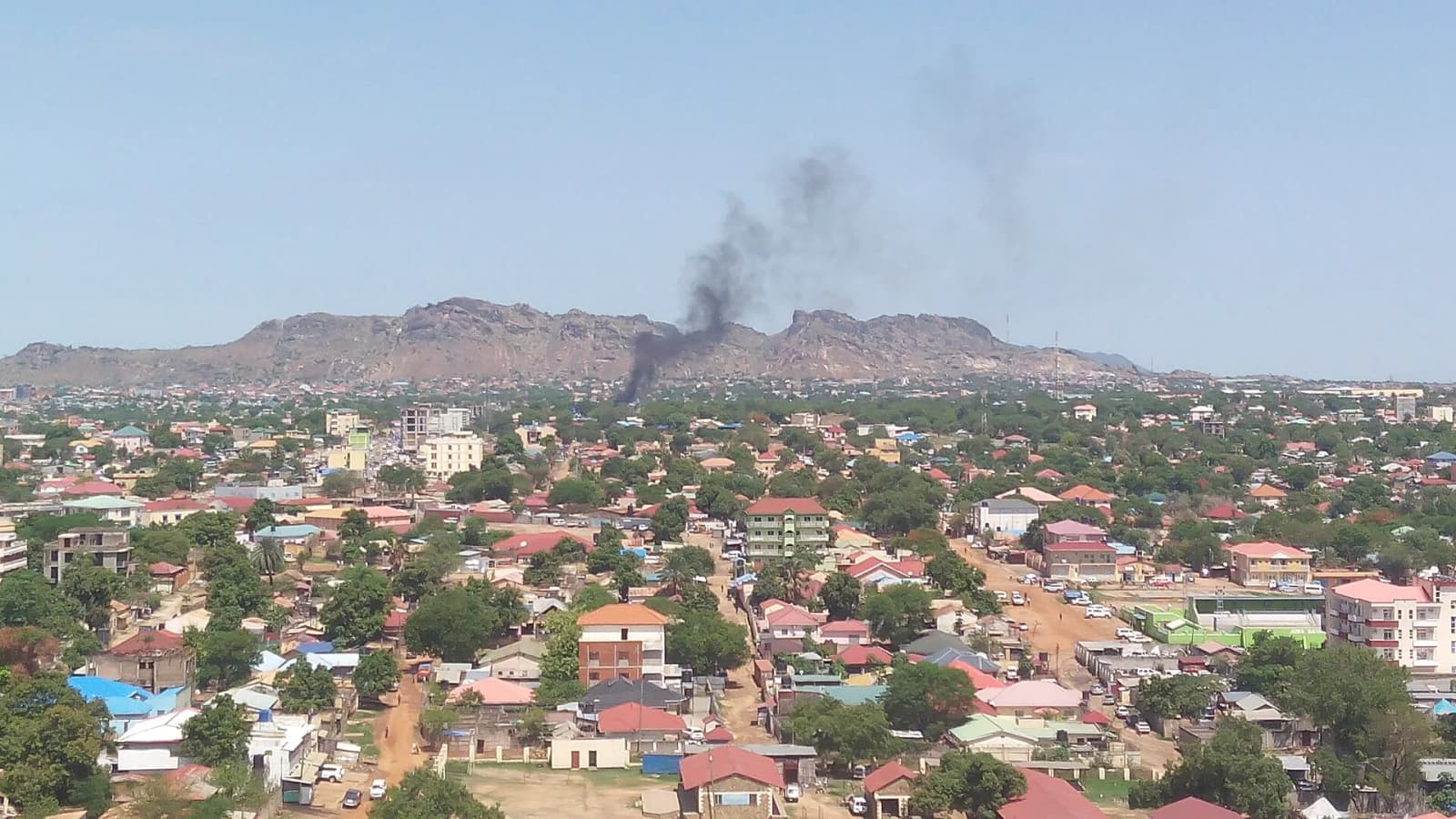
South Sudan has pushed back its first-ever national elections once again. On Saturday, 14 November 2026, the National Elections Commission (NEC) released a revised calendar that moves presidential and parliamentary polling from 22 December 2026 to Thursday, 11 February 2027 — roughly seven weeks later. The commission did not give a reason for the change.
The country, which became independent from Sudan in 2011, has never held a general election. The vote was originally expected in 2022 and has now slipped at least three times.
The new timetable
Voter registration, which is being done manually, opened the same day the calendar was issued and runs until 28 November. The key dates in the revised plan are:
- 29 November: provisional voter register published; nomination signature forms released
- 6–12 December: public inspection of the register
- 14–20 December: submission of nominations
- 27 December to 9 February: a 45-day campaign, followed by a campaign-free day on 10 February
- 10 January 2027: final voter register; 18 January: final list of candidates
- 11 February 2027: polling day
- 15–16 February: final results declared and published
- 12 April 2027: run-off, if one is needed
The calendar also sets aside a 148-day window, from 17 February to 15 July 2027, for resolving election disputes. Seats will be contested across 102 constituencies for the National Legislative Assembly and 290 for state assemblies, based on the constituencies used in the 2010 vote.
Registration challenge
NEC chairman Gabriel Bol Deng said 3,161 registration centres had been set up and more than 22,000 staff recruited, according to Al Jazeera. The task is daunting: the World Bank estimates that about 90 percent of South Sudan's roughly 15 million people have no state-recognised identification. In rural areas, community leaders are expected to vouch for residents and issue an "identification form" that will let them vote.
Questions over legality
The South Sudanese broadcaster Radio Tamazuj, which reviewed the calendar, reported that the new date may be open to legal challenge. It noted that the 2026 amendment to the National Elections Act refers to elections in December 2026, and that the law requires the polling date to be announced at least six months in advance — a condition the original 22 December date, announced on 22 June, had met. The outlet also pointed to a constitutional provision directing the NEC to hold elections 60 days before the transitional period ends on 22 February 2027. Unless another provision allows the shift, it said, the revised date could be contested.
A tense political backdrop
The delay comes amid deep political strain. In September, President Salva Kiir dissolved the transitional unity government and installed a caretaker administration, a move that allowed the vote to go ahead without a permanent constitution or a census being completed first. Analysts and rights monitors warned that this unpicked a central power-sharing arrangement and concentrated authority in Kiir's hands. In October, Yasmin Sooka, who chairs the UN Commission on Human Rights in South Sudan, described it as a "constitutional coup through legislative reforms".
Forces loyal to Kiir have been clashing with supporters of former first vice-president Riek Machar, who has been under house arrest and is accused of crimes against humanity. Ethnic tensions and violent cattle raids add to the instability. The civil war between the two leaders' camps from 2013 to 2018 killed at least 400,000 people before a peace deal was signed.
Why it matters
A credible election is meant to close the transition that followed the 2018 peace agreement. Each postponement extends a period of uncertainty for a fragile state in a volatile region, and the latest calendar leaves a narrow gap between the new polling day and the formal end of the transitional period.
What next
Registration continues until 28 November, with nominations due in mid-December. Whether the February date holds — and whether it survives any court challenge — will be watched closely by South Sudan's partners.
PS · Rigan123, CC BY-SA 4.0