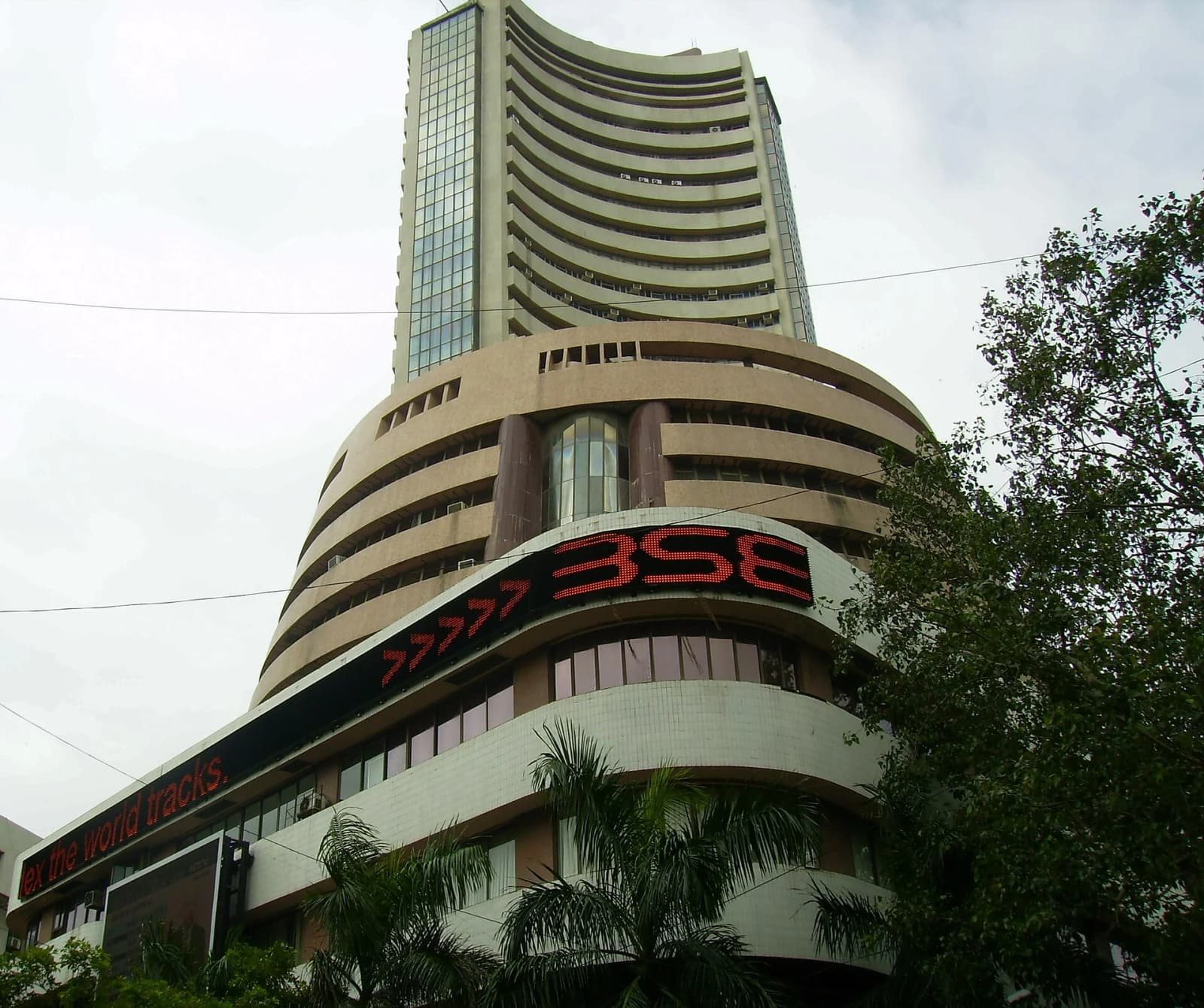
The Securities and Exchange Board of India (SEBI) on 20 November 2026 proposed tighter limits on how long people can lead or sit on the boards of India's stock exchanges, clearing corporations and depositories. Its consultation paper would lower the maximum age of public interest directors from 75 to 70 and, for the first time, cap the total years a person can spend as managing director across these institutions.
What is SEBI proposing?
SEBI is proposing five changes to the governance of what it calls market infrastructure institutions (MIIs): recognised stock exchanges, clearing corporations (including limited purpose clearing corporations) and depositories.
- Public interest directors (PIDs): maximum age cut from 75 to 70 years, and the cap on three-year terms across MIIs reduced from three to two.
- Managing directors (MDs): a single term of up to five years, at most two terms and eight years in one MII, at most three terms across MIIs, and no more than 12 years as MD in total.
- Executive directors (EDs): up to eight years in one MII and 16 years across MIIs; combined ED and MD service capped at 12 years in one MII and 20 years across MIIs.
- Directorships: PIDs barred from simultaneously sitting on the boards of associates of any MII, not just subsidiaries.
- Committees: a PID may sit on no more than four statutory committees, down from a limit of five.
How do the rules work today?
At present, according to the paper, an MD can serve up to 10 years in a single MII and then a similar stretch at another, with no ceiling on the total across institutions; the maximum age is 65. Executive directors' terms are aligned with those of MDs. A PID can serve three three-year terms across MIIs.
SEBI argues that long, successive tenures create "key man risk" and the risk of entrenchment. Because MIIs are interconnected through clearing, settlement, depository and market-data links, the paper says, one person heading several of them in turn "may carry a disproportionate influence over the whole ecosystem". On PIDs, it says lower limits would stop a narrow pool of individuals from recycling across MIIs.
Will current office-holders be affected?
Not immediately. A PID, MD or ED in office when the amendments take effect would continue until the end of their ongoing term. For a person already serving as MD on that date, the overall limit across MIIs would be 15 years rather than 12, to allow a smooth transition.
Why does an AMFI seat feature in the paper?
The fifth proposal would let the chief executive of the Association of Mutual Funds in India (AMFI), ex officio, sit on the board of a recognised limited purpose clearing corporation as a non-independent director. The paper ties this to AMC Repo Clearing Ltd (ARCL), the corporate-bond repo clearing house funded by 37 asset management companies with ₹150 crore.
SEBI says ARCL's net worth was ₹138.98 crore on 30 June 2026, against the ₹300 crore minimum the Reserve Bank of India requires for central counterparties, and that it risks de-recognition if it cannot raise capital. Mutual funds accounted for 98.49% of lending value on ARCL in August 2026. Because AMCs are expected to contribute more capital, SEBI says their representation would be linked to that contribution. To manage conflicts, the AMFI nominee would stay off the risk management, members and regulatory oversight committees, recuse from decisions on risk parameters and default management, and have no access to individual participants' data.
Why does it matter?
The proposals would change who can run and oversee institutions that every trade on Indian exchanges passes through. The paper was one of two consultation papers SEBI published the same day; the other proposed scrapping extra disclosure rules for foreign portfolio investors. The same day, SEBI's chairman set out plans to ease KYC reviews for foreign investors.
What happens next?
SEBI has invited public comments on nine questions, including whether the proposed limits and AMFI safeguards are adequate. Comments can be submitted through SEBI's online form until 11 December 2026, according to the paper.
Photo source · Niyantha Shekhar, CC BY 2.0