Output of India's eight core infrastructure industries plus iron ore grew 10.9% year on year in October 2026, according to provisional data released in New Delhi on 20 November 2026 by the Ministry of Commerce and Industry. That is faster than the 8.2% growth recorded for September 2026, and was driven by double-digit gains in iron ore, coal, electricity and cement.
How fast did core industries grow in October 2026?
The Index of Core Industries (ICI) rose 10.9% in October 2026 compared with October 2025, the ministry said in its monthly release. The index, which now uses 2022-23 as its base year, stood at 123.1 in October 2026 against 111.0 a year earlier.
The September 2026 figure was also revised upward. The final index for that month was put at 118.6 instead of the provisional 118.3, lifting its year-on-year growth from 7.9% to 8.2%.
Which sectors led, and which declined?
Six of the nine components grew in October:
- Iron ore: up 26.4%
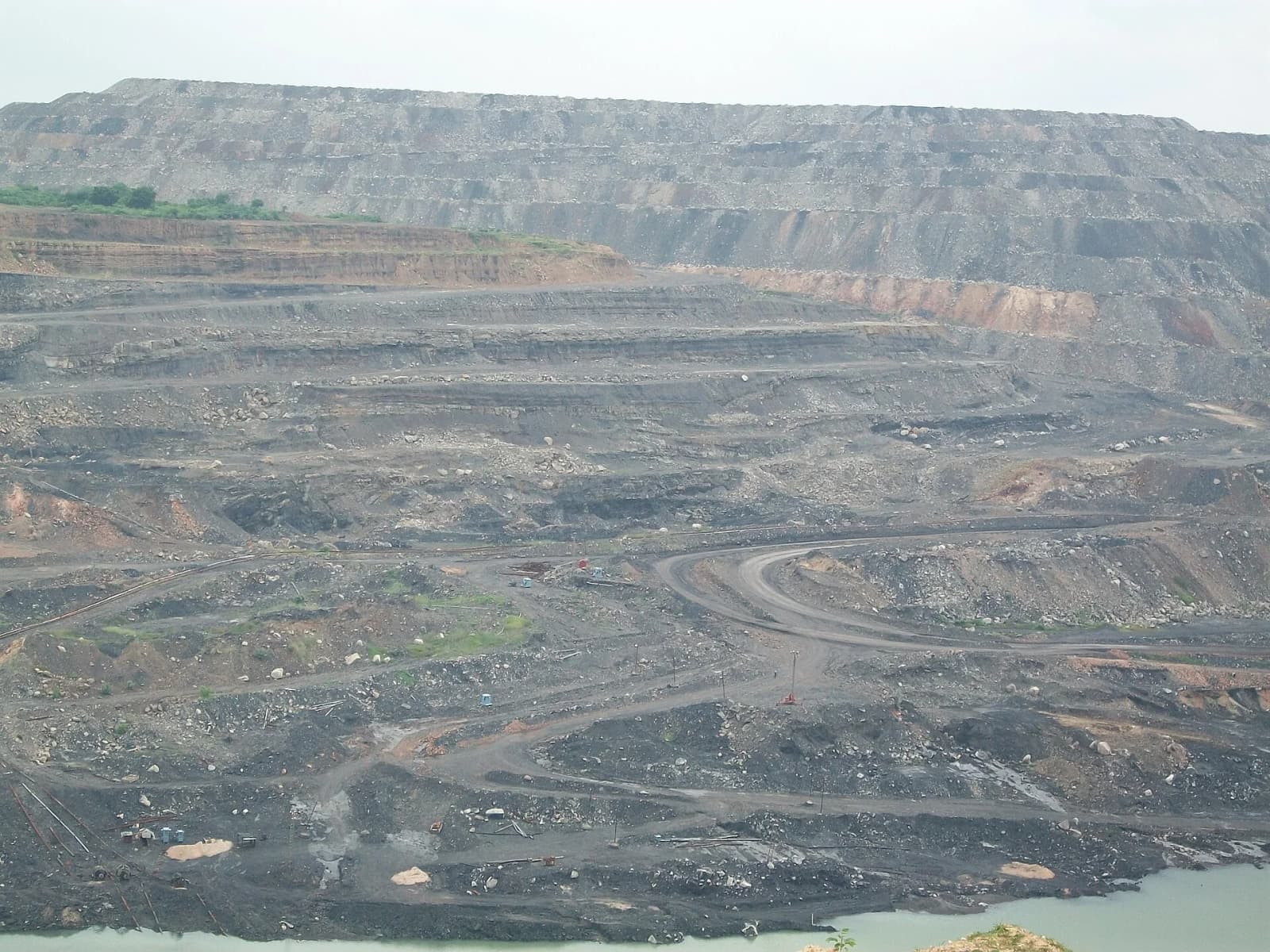
- Coal: up 23.1%
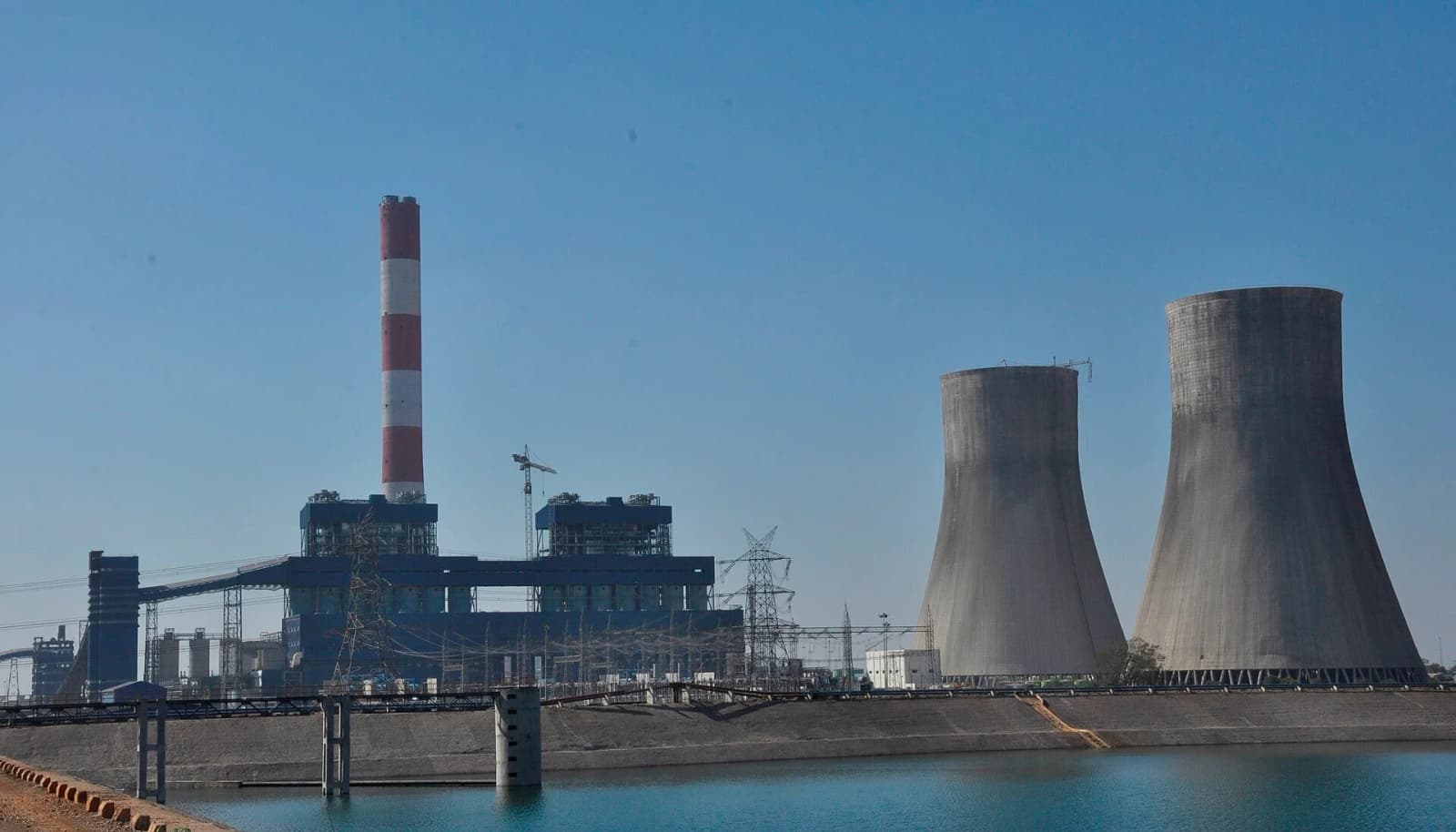
- Electricity: up 21.6%
- Cement: up 15.4%
- Steel: up 7.3%
- Refinery products: up 3.4%
Three components contracted. Fertiliser output fell 12.2%, natural gas 7.6% and crude oil 4.1%, the annexure tables show. The ministry said iron ore, electricity, cement, coal and steel have been the main drivers of overall core-sector growth in recent months.
Why does the electricity number matter so much?
Electricity carries the largest weight in the index, at 30.932 out of 100, so its 21.6% jump has an outsized effect on the headline figure. Refinery products carry the next-largest weight at 22.572, followed by steel at 17.584. By contrast, iron ore, which posted the fastest growth, has a weight of 4.905, and coal a weight of 5.596.
Is part of the jump a base effect?
The comparison month was weak. According to the ministry's 13-month table, the overall index had grown just 0.8% in October 2025, with electricity output down 7.0% and coal down 8.4% that month. A low base makes the following year's percentage growth look larger, so the October 2026 figures partly reflect that softer starting point as well as higher output.
What does the year-to-date picture show?
For April to October 2026, cumulative core-sector growth was 6.0% (provisional), compared with 2.3% in the same period of 2025-26. Over these seven months, iron ore grew 22.1%, electricity 11.8% and cement 10.9%, while fertilisers fell 8.3%, natural gas 4.8% and crude oil 3.7%. Steel growth slowed to 4.8% from 11.8% in the year-earlier period.
Coal's turnaround is notable. Its cumulative growth moved to 2.5% in April-October 2026 from a 2.0% decline a year earlier, helped by the 23.1% rise in October alone. Coal has been in focus this week, with Coal India subsidiary Mahanadi Coalfields' IPO drawing bids from investors.
Why does it matter?
The core index tracks basic industrial inputs such as power, fuel, steel and cement that feed into construction, manufacturing and transport. The data adds to other recent official figures on the economy, including the commerce ministry's update on India's merchandise exports to Africa and Asia. The weakness in crude oil, natural gas and fertilisers, however, has persisted: each has posted year-on-year declines in most of the last 13 months, the ministry's tables show.
What happens next?
The October figures are provisional and may be revised, as September's were. The ministry said the core index for November 2026 will be released on Monday, 21 December 2026. Historical index data from April 2023 onwards is available on the Office of the Economic Adviser's portal.
Photo source · Epagemakerwiki, CC BY-SA 4.0