Sarvam AI, an Indian startup that received subsidised GPU access under the government's IndiaAI Mission to train its own models, is facing criticism for selling access to Chinese artificial intelligence models, including DeepSeek, through its new inference platform, Bloomberg reported on 19 November 2026. The company says the service runs on privately bought GPUs in India and that its plans to build indigenous models are unchanged.
What is Sarvam Token Factory?
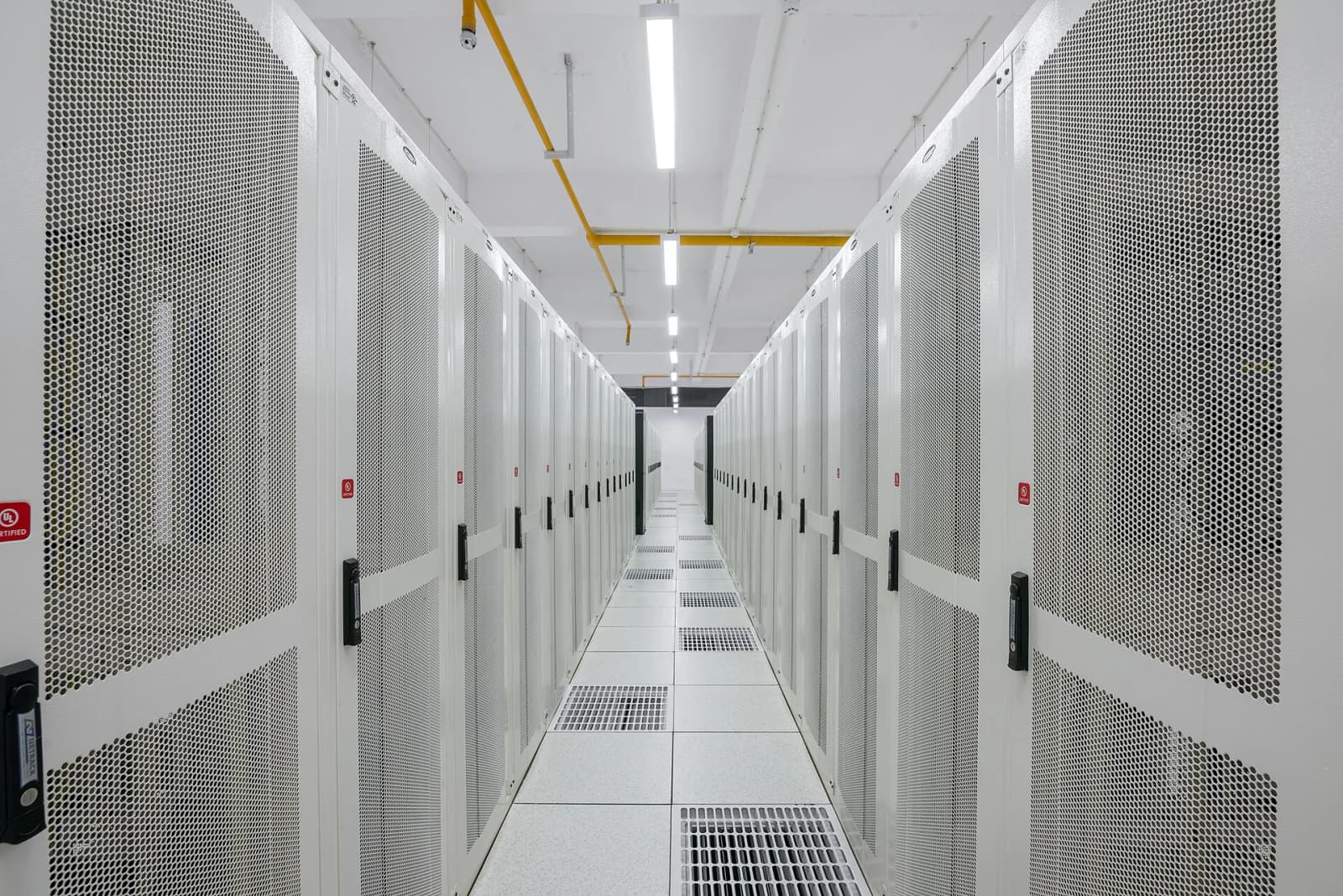
Token Factory is a paid service that lets developers and companies run AI models on Sarvam's servers in India through a single API. In a blog post dated 16 November announcing the launch, Sarvam said it would serve its own Sarvam 105B model alongside open-weight models GLM 5.3, GLM 5.3 Flash, DeepSeek V4.1 Flash 1017, DeepSeek V4 Pro, Kimi K3.1 Pro and Gemma 4 31B, using "GPU clusters located in India". The company claimed it matches or beats leading global inference providers on speed and cost for most of these models, and said it runs "India's largest B200 cluster".
Its model catalogue lists 12 models with rupee pricing. DeepSeek V4.1 Flash is offered at an introductory ₹14 per million input tokens and ₹55 per million output tokens, excluding GST. The catalogue's FAQ states that "inference runs on Sarvam-operated GPUs in India" and that requests are not forwarded to the original developer's overseas API.
Why are critics unhappy?
Critics argue that a company chosen to champion India's AI independence should be building frontier models rather than reselling foreign ones. According to Bloomberg and the technology policy site MediaNama, the launch drew an online backlash. Sanchit Monga, chief executive of US-based RunAnywhere, wrote on X that Sarvam was "mostly serving Chinese models from India GPUs" and said its funding and subsidised compute were meant for frontier research, MediaNama reported. Srikanth Lakshmanan, founder of CashlessConsumer, argued that a single inference provider risked centralising critical infrastructure.
Some questioned whether government-subsidised GPUs were being used to serve foreign-built models. That claim has not been substantiated, and Sarvam disputes it.
What has Sarvam said?
Co-founder Pratyush Kumar told The Hindu BusinessLine, as cited by MediaNama, that Sarvam received a 40% GPU discount under the IndiaAI Mission to train its models, which were released as open weights, and that this subsidised access ended in March 2026. He described Token Factory as a domestic alternative to foreign inference platforms, offering rupee pricing and data sovereignty. Sarvam has said the platform runs entirely on privately procured GPUs.
The company also had defenders. MediaNama founder Nikhil Pahwa said he saw no problem in Sarvam hosting Chinese models to earn revenue, while Hemant Mohapatra, a partner at Sarvam investor Lightspeed India, called the launch timely amid a global GPU shortage.
Why does it matter?
The row goes to the heart of how India defines "sovereign AI": whether it means control over where models run and where data is processed, or who built the models in the first place. Cheap open-weight Chinese models are increasingly competing with American offerings such as Google's newly launched Gemini 4 Neon on price. At the same time, government agencies are pushing Indian-language AI tools built at home.
No response from the Ministry of Electronics and Information Technology (MeitY) had been reported by the evening of 19 November.
Photo source · PiDatacenters, CC BY-SA 4.0